Introduction
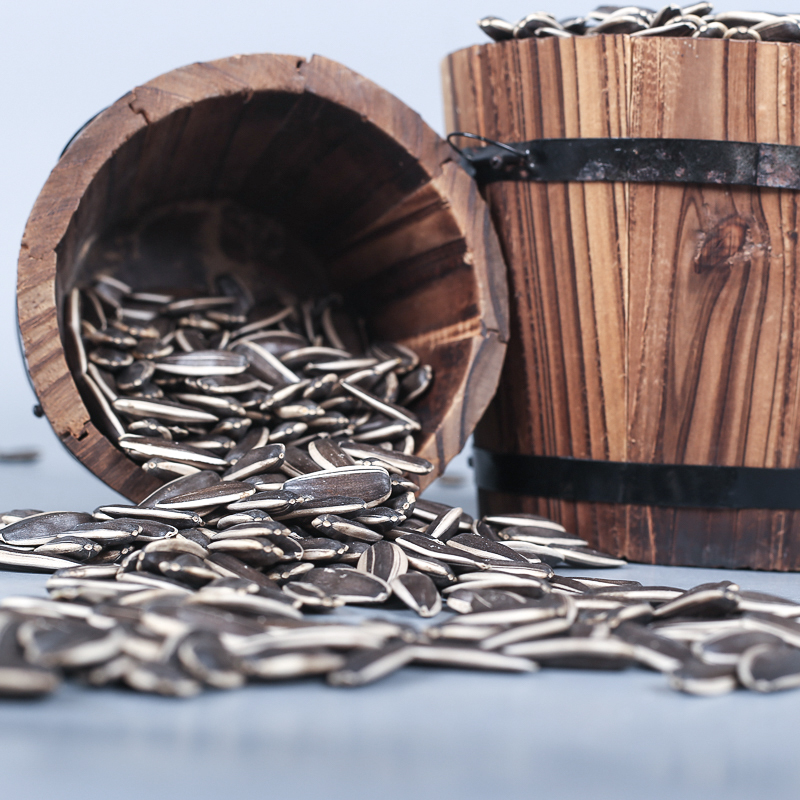
Chinese sunflower seeds ( Helianthus annuus) represent a significant component of the global snack food industry and agricultural commodity markets. These seeds, traditionally consumed as a roasted snack in China and increasingly popular internationally, are distinguished by their relatively small size, black or striped shells, and high oil content. Their position within the supply chain extends from agricultural cultivation and processing to consumer-packaged goods. Core performance characteristics include oil yield, protein content, kernel size, and shell integrity, all impacting processing efficiency, nutritional value, and consumer acceptability. This guide provides an in-depth technical analysis of Chinese sunflower seeds, covering material science, manufacturing processes, performance specifications, failure modes, and relevant industry standards.
Material Science & Manufacturing
The raw material, the sunflower seed, is composed of three primary components: the kernel (cotyledon), the shell (hull), and the embryo. The kernel contains approximately 40-55% oil, primarily linoleic acid (C18:2), oleic acid (C18:1), and palmitic acid (C16:0). Protein content ranges from 18-25%, consisting of globulins and albumins. The shell, primarily cellulose and lignin, provides physical protection. Manufacturing begins with harvesting, typically mechanical, followed by drying to a moisture content of 9-12% to prevent fungal growth and enzymatic degradation. Hulling is critical, often achieved through impact or friction methods. Kernel size uniformity is crucial for roasting and subsequent processing. Roasting, typically conducted at 120-160°C, develops flavor and reduces moisture content further (to 2-4%). Salt addition is common, utilizing dry or wet salting techniques. Precise control of roasting temperature and time is paramount to minimize acrylamide formation and maintain optimal oil quality. Seed selection involves assessing oil content via near-infrared spectroscopy (NIRS) and kernel density. Contamination control, including mycotoxin screening (aflatoxins, ochratoxins) is an essential quality control parameter. Shelling efficiency is a major determinant of processing cost; advancements in impact-based hulling technologies have significantly improved this parameter.
Performance & Engineering
Performance analysis focuses on several key areas. Firstly, shell strength is critical to resist cracking during handling and processing. This is influenced by seed variety and moisture content; brittle fracture is a common failure mode. Secondly, kernel oil stability is paramount for shelf life. The peroxide value (PV) and acid value (AV) are key indicators of oxidative rancidity. Antioxidants are often added to mitigate lipid oxidation. Thirdly, roasting efficiency impacts energy consumption and product quality. Heat transfer calculations are vital to ensure uniform roasting. Furthermore, packaging performance dictates moisture barrier properties and protection against physical damage. High-density polyethylene (HDPE) and polypropylene (PP) films are commonly used. Packaging must comply with food contact regulations (FDA, EFSA). Engineering considerations involve minimizing seed damage during handling, optimizing roasting equipment for throughput and quality, and ensuring effective allergen control (sunflower seeds are a known allergen). Force analysis during hulling reveals the optimal impact force required to separate the kernel from the shell without causing damage. Environmental resistance analysis assesses the impact of temperature, humidity, and light on seed quality during storage and transportation. Compliance requirements include adherence to maximum pesticide residue levels and heavy metal limits established by regulatory bodies.
Technical Specifications
| Parameter | Unit | Typical Value (Chinese Variety) | Acceptable Range |
|---|---|---|---|
| Oil Content (Dry Basis) | % | 48-52 | 45-55 |
| Protein Content (Dry Basis) | % | 20-24 | 18-26 |
| Kernel Size (Diameter) | mm | 8-10 | 6-12 |
| Shell Thickness | mm | 0.2-0.4 | 0.15-0.5 |
| Moisture Content (After Roasting) | % | 2-3 | 1-4 |
| Peroxide Value (PV) | meq O2/kg | <5 | <10 |
Failure Mode & Maintenance
Failure modes in Chinese sunflower seeds encompass several areas. Rancidity, due to lipid oxidation, is a primary concern, leading to off-flavors and reduced nutritional value. This is accelerated by exposure to oxygen, light, and elevated temperatures. Cracking of kernels during processing or handling reduces product quality. This can be caused by excessive impact forces or brittle kernels. Shell fragments remaining with the kernels pose a processing and consumer safety issue. Improper drying can lead to fungal contamination (e.g., Aspergillus flavus) and mycotoxin production (aflatoxins). Hulling damage can cause broken kernels and increased fines (small kernel fragments). Maintenance strategies include strict control of drying temperature and time, implementation of antioxidant packaging, regular cleaning and inspection of processing equipment to prevent metal contamination, and robust quality control measures to detect mycotoxins. Storage facilities must be cool, dry, and well-ventilated. Routine monitoring of peroxide value and acid value is essential to assess oil stability. Preventative maintenance on roasting equipment, including burner calibration and temperature sensor checks, is critical for consistent roasting quality. Regular cleaning of hulling machinery minimizes shell fragments in the final product.
Industry FAQ
Q: What is the primary cause of aflatoxin contamination in Chinese sunflower seeds and how can it be reliably prevented?
A: The primary cause is Aspergillus flavus fungal growth, favored by high moisture content, warm temperatures, and kernel damage during harvesting or drying. Reliable prevention involves pre-harvest drought stress management, prompt and thorough drying to below 9% moisture content, proper storage in cool, dry, and well-ventilated facilities, and the application of appropriate pre-harvest fungicides where permitted and economically viable. Regular aflatoxin testing using ELISA or HPLC methods is also crucial.
Q: How does kernel size distribution affect the efficiency of the roasting process?
A: A wider kernel size distribution leads to uneven roasting. Smaller kernels roast faster and can become scorched, while larger kernels may remain under-roasted. Uniform kernel size distribution ensures consistent heat penetration and reduces the risk of both under- and over-roasting, leading to optimal flavor development and texture.
Q: What are the key differences between dry and wet salting techniques, and which is preferred for maximizing shelf life?
A: Dry salting involves applying salt directly to the roasted kernels, resulting in a less uniform coating and potential for salt clumping. Wet salting involves dissolving salt in water and spraying it onto the kernels, providing a more even coating and improved adhesion. Wet salting is generally preferred for maximizing shelf life as it minimizes free salt crystals which can accelerate moisture absorption and rancidity.
Q: What is the significance of the peroxide value (PV) and acid value (AV) in assessing sunflower seed oil quality?
A: The peroxide value (PV) measures the primary products of oxidation (hydroperoxides) and indicates the initial stage of rancidity. The acid value (AV) measures the free fatty acids formed from lipid hydrolysis and indicates the degree of degradation. A lower PV and AV indicate better oil quality and longer shelf life. Monitoring these values is essential for quality control.
Q: What packaging materials provide the best barrier properties for preventing moisture uptake and oxidative degradation of roasted sunflower seeds?
A: Multi-layer films combining materials like polyethylene (PE), polypropylene (PP), and ethylene-vinyl alcohol (EVOH) offer the best barrier properties. EVOH provides an excellent oxygen barrier, while PE and PP provide moisture resistance and structural integrity. Metallized films further enhance oxygen and light barrier properties, minimizing oxidative degradation and extending shelf life.
Conclusion
Chinese sunflower seeds represent a complex agricultural product requiring meticulous attention to detail throughout the entire value chain, from cultivation to packaging. Optimizing oil content, ensuring kernel integrity, and controlling moisture levels are critical for maximizing processing efficiency and product quality. Understanding the underlying material science and potential failure modes is paramount for manufacturers seeking to deliver a consistent and safe product.
Future developments are likely to focus on improved seed varieties with enhanced oil profiles and increased resistance to fungal contamination, alongside advancements in processing technologies that minimize energy consumption and reduce waste. Implementing robust quality control systems based on standardized analytical methods will be essential to meet increasing consumer demand and stringent regulatory requirements.
