Introduction
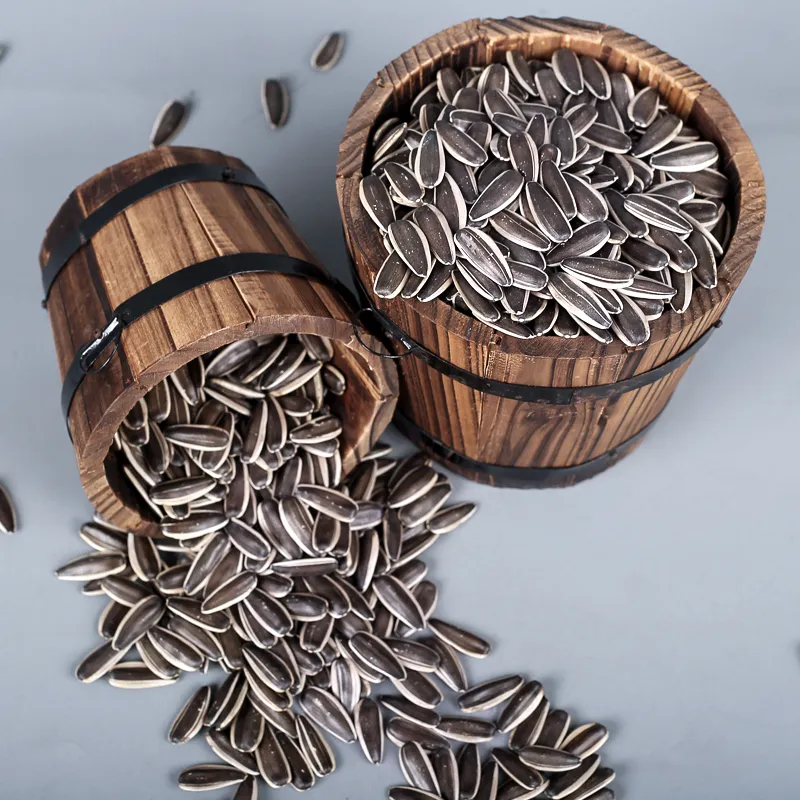
Chinese roasted sunflower seeds ( Helianthus annuus) represent a significant processed food commodity within the global snack food industry. Positioned between primary agricultural production and consumer packaged goods, they undergo a series of transformations – shelling, cleaning, roasting, seasoning, and packaging – to achieve their final form. Core performance characteristics center around palatability (flavor profile, texture), nutritional content (fatty acid composition, protein levels, vitamin E), and shelf stability. A key industry challenge revolves around maintaining consistent seed quality, optimizing roasting parameters for flavor development without inducing lipid oxidation, and ensuring adherence to stringent food safety regulations. This guide will detail the material science, manufacturing processes, performance metrics, potential failure modes, and relevant industry standards governing the production of this widely consumed snack.
Material Science & Manufacturing
The foundational material is the sunflower seed kernel, comprising approximately 40-50% oil, 20-30% protein, 15-25% carbohydrates, and 5-10% moisture. The oil content is primarily linoleic acid (a polyunsaturated omega-6 fatty acid), with smaller proportions of oleic acid (a monounsaturated fatty acid) and palmitic acid (a saturated fatty acid). The protein content consists of various globulins and albumins. The seed coat, or hull, is composed of cellulose, hemicellulose, and lignin. Manufacturing commences with seed selection – high oil content and kernel size are desirable traits. The seeds are then dehusked, often using mechanical abrasion. Cleaning removes foreign matter (stalk, leaves, stones). The critical step is roasting, typically conducted in rotary drum roasters or fluid bed roasters. Temperature control is paramount; ranges typically fall between 120-160°C. Lower temperatures yield a milder flavor, while higher temperatures develop a more intense, toasted profile but increase the risk of acrylamide formation and lipid oxidation. Seasoning involves applying salt, flavorings (e.g., spices, MSG), and sometimes coatings (e.g., maltodextrin, sugar). Finally, the seeds are cooled, sorted (removing under-roasted or broken seeds), and packaged in moisture-barrier films to extend shelf life. Parameter control during roasting - time, temperature, drum speed, and airflow – directly affects moisture content, oil migration, and flavor development.
Performance & Engineering
Performance assessment focuses on several key areas. Sensory evaluation – involving trained panels – determines the acceptance of flavor, texture (crispness, chewiness), and appearance. Moisture content is critically controlled (typically <5%) to prevent microbial growth and maintain texture. Oil content influences flavor release and caloric density. Peroxide value (PV) and anisidine value (AV) are used to measure the extent of lipid oxidation, indicating rancidity. Water activity (Aw), a measure of unbound water, must be below 0.6 to inhibit microbial proliferation. Shear force analysis quantifies the crispness of the roasted seeds. Furthermore, packaging engineering plays a vital role. The packaging material must provide a barrier against oxygen, moisture, and light to prevent oxidation and maintain sensory qualities. Mechanical stress during handling (transportation, storage) must also be considered; the packaging must protect against crushing and breakage. Compliance requirements include adherence to food safety standards (e.g., HACCP) and labeling regulations regarding nutritional information and allergen declarations.
Technical Specifications
| Parameter | Unit | Typical Range | Test Method |
|---|---|---|---|
| Moisture Content | % | 2.0 – 4.5 | AOAC 925.10 |
| Oil Content | % | 48 – 55 | Soxhlet Extraction (AOAC 920.39) |
| Peroxide Value | meq O2/kg | <5.0 | AOCS Cd 8-53 |
| Anisidine Value | <10 | AOCS Cd 8-53 | |
| Water Activity (Aw) | <0.6 | Water Activity Meter | |
| Kernel Size (Average) | mm | 8 – 12 | Sieve Analysis |
Failure Mode & Maintenance
Common failure modes include rancidity, caused by lipid oxidation, resulting in off-flavors and reduced shelf life. This is accelerated by exposure to oxygen, light, and heat. Loss of crispness occurs due to moisture absorption, leading to a stale texture. Kernel breakage during handling or processing reduces aesthetic appeal and increases waste. Acrylamide formation during high-temperature roasting is a potential health concern. Microbial contamination (molds, yeasts) can occur if moisture content is not adequately controlled. Preventative maintenance involves rigorous quality control of raw materials, optimizing roasting parameters to minimize acrylamide formation and lipid oxidation, implementing effective packaging solutions with high barrier properties, and maintaining strict hygiene standards throughout the processing facility. Proper storage conditions – cool, dry, and dark – are essential for preserving product quality. Regular monitoring of peroxide value and water activity is crucial for detecting early signs of deterioration. Periodic cleaning and sanitation of processing equipment are vital for preventing microbial contamination.
Industry FAQ
Q: What is the optimal roasting temperature to balance flavor development and minimize acrylamide formation?
A: The optimal roasting temperature is a compromise. Generally, a two-stage roasting process is recommended. An initial stage at 120-130°C for moisture reduction, followed by a higher temperature stage (140-150°C) for flavor development. Careful monitoring of seed temperature, rather than just oven temperature, is crucial. Adding antioxidants (e.g., Vitamin E) to the seeds pre-roasting can also help mitigate acrylamide formation.
Q: How does the type of oil used during roasting affect the final product’s shelf life?
A: While sunflower seeds are typically roasted dry, a light coating of oil can enhance flavor adherence. High-oleic sunflower oil is preferable due to its greater resistance to oxidation compared to oils rich in linoleic acid. Using an oil with a low peroxide value and adding antioxidants will further improve shelf life.
Q: What packaging materials provide the best barrier properties for roasted sunflower seeds?
A: Multi-layer films incorporating aluminum foil, polyethylene terephthalate (PET), and polyethylene (PE) offer the best barrier against oxygen, moisture, and light. Metallized films are a cost-effective alternative. The film thickness and seal integrity are also critical factors.
Q: What are the key regulatory requirements for sunflower seed labeling in international markets?
A: Regulatory requirements vary by region. Generally, labeling must include ingredient lists, nutritional information (fat content, protein content, carbohydrate content, sodium content), allergen declarations, and country of origin. Compliance with local food safety regulations (e.g., FDA in the US, EFSA in Europe) is also mandatory.
Q: How can we ensure consistent seed quality from different suppliers?
A: Implement a rigorous supplier qualification program. This includes requiring suppliers to provide Certificates of Analysis (COA) for each batch, conducting independent laboratory testing to verify specifications (oil content, moisture content, peroxide value), and performing regular on-site audits to assess their quality control procedures.
Conclusion
The production of high-quality Chinese roasted sunflower seeds hinges on a precise understanding of material science principles, meticulous control of manufacturing parameters, and adherence to stringent quality standards. Optimizing roasting profiles to balance flavor development and minimize undesirable compounds (acrylamide, oxidation products) is paramount. Effective packaging is crucial for preserving sensory qualities and extending shelf life. Continued advancements in processing technology and packaging materials will further enhance the quality and safety of this popular snack food.
Moving forward, research efforts should focus on developing more sustainable sourcing practices, optimizing roasting processes to minimize energy consumption, and exploring novel packaging solutions that utilize bio-based materials. A comprehensive understanding of consumer preferences and evolving regulatory landscapes will also be essential for continued success in the competitive snack food market.
