
Introduction
Chinese melon seed snacks represent a significant segment of the global snack food industry, rooted in centuries of agricultural practice and culinary tradition. Typically derived from the seeds of various Cucurbita species, primarily Cucurbita pepo and Cucurbita maxima, these snacks are processed through drying, roasting, and seasoning. The product occupies a niche between simple agricultural output and processed food, demanding careful consideration of seed quality, processing parameters, and packaging integrity. From a material science perspective, the snack’s properties are governed by the seed’s composition – primarily lipids, proteins, and carbohydrates – and are significantly impacted by the applied processing techniques. This guide details the technical aspects of chinese melon seed snack production, covering material science, manufacturing processes, performance characteristics, failure modes, and relevant industry standards. The escalating demand for convenient and flavorful snacks necessitates a rigorous understanding of quality control and product optimization within this sector, particularly regarding shelf life, sensory appeal, and food safety regulations.
Material Science & Manufacturing
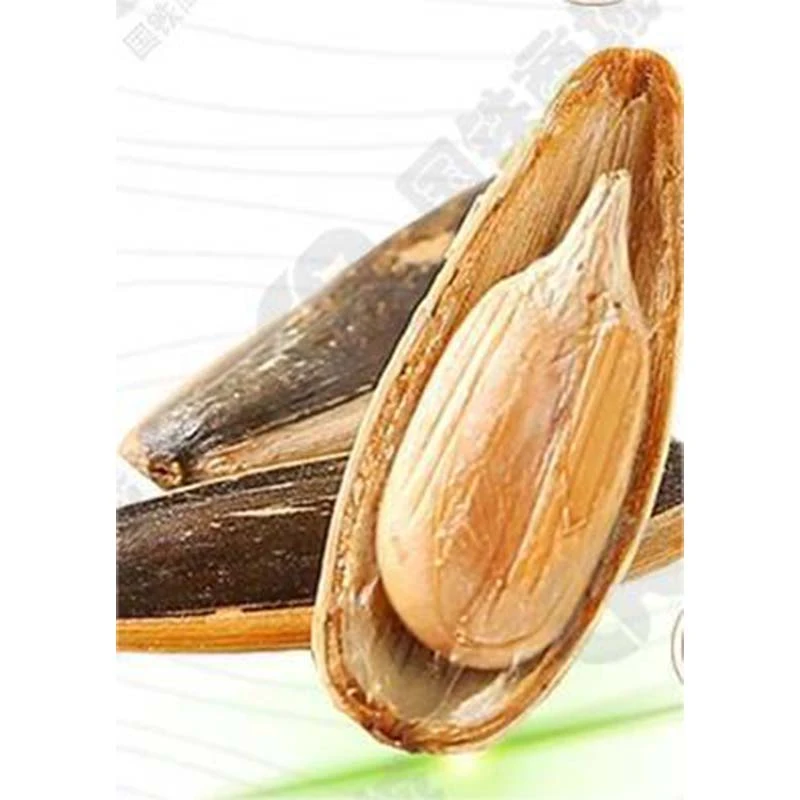
The primary raw material, melon seeds, consists of approximately 40-50% oil, 20-30% protein, 15-25% carbohydrates, and 5-10% moisture. The oil composition is predominantly unsaturated fatty acids, influencing oxidative stability. Seed coat composition, largely cellulose and lignin, affects moisture absorption and mechanical strength. Manufacturing begins with seed selection – larger, uniformly sized seeds are preferred for consistent processing. Cleaning removes debris and foreign matter. The critical processing steps are drying, typically using hot air ovens at temperatures between 80-120°C to reduce moisture content to 3-5%, and roasting, conducted at 120-180°C to develop flavor and achieve desired crispness. Roasting time and temperature are critical parameters impacting lipid oxidation and acrylamide formation. Seasoning involves coating the roasted seeds with salt, spices, and sometimes flavor enhancers. Parameter control is vital: moisture content must be accurately monitored to prevent microbial growth, roasting temperature must be precise to avoid burning and ensure even cooking, and seasoning application must be uniform for consistent flavor. A key challenge is minimizing lipid oxidation, which leads to rancidity and off-flavors. Antioxidant coatings and nitrogen-flushed packaging are often employed to mitigate this. Variations in seed cultivar, growing conditions, and processing techniques significantly influence the final product characteristics.
Performance & Engineering
Performance assessment of chinese melon seed snacks centers around textural properties, sensory evaluation, and shelf life. Textural analysis, employing techniques like three-point bending and compression testing, quantifies crispness and hardness. A critical parameter is the fracture force required to break a seed, correlating with perceived crispness. Sensory evaluation involves trained panels assessing attributes such as flavor, aroma, and mouthfeel. These assessments are typically performed using standardized hedonic scales. Shelf life is determined by monitoring lipid oxidation, moisture content, and microbial growth over time. Packaging plays a crucial role in maintaining product quality. Barrier properties – specifically oxygen transmission rate (OTR) and water vapor transmission rate (WVTR) – are paramount. Materials with low OTR and WVTR, such as metallized films or multilayer laminates, are preferred. Force analysis during packaging highlights the importance of preventing seed breakage during handling and transport. Compliance requirements include adherence to food safety regulations (e.g., HACCP, GMP) and labeling standards, including nutritional information and allergen declarations. Environmental resistance concerns primarily relate to moisture absorption from the atmosphere, leading to loss of crispness, and temperature fluctuations, accelerating lipid oxidation.
Technical Specifications
| Parameter | Specification | Test Method | Acceptance Criteria |
|---|---|---|---|
| Moisture Content | 3.0% - 5.0% | Karl Fischer Titration (GB 5005-2008) | Within specified range |
| Oil Content | 40% - 50% | Soxhlet Extraction (GB/T 6436-2008) | Within specified range |
| Peroxide Value (PV) | < 5 meq O2/kg | Titrimetric Method (GB 5009-2008) | ≤ 5 meq O2/kg |
| Acid Value (AV) | < 2 mg KOH/g | Titrimetric Method (GB 5009-2008) | ≤ 2 mg KOH/g |
| Fracture Force (Crispness) | > 5 N | Three-Point Bend Test (ASTM D6984) | ≥ 5 N |
| Water Vapor Transmission Rate (WVTR) (Packaging) | < 2 g/m²/24h | ASTM E96 | ≤ 2 g/m²/24h |
Failure Mode & Maintenance
Failure modes in chinese melon seed snacks are primarily related to quality degradation during storage and handling. Rancidity, caused by lipid oxidation, is a prevalent issue, leading to off-flavors and reduced consumer acceptance. This is accelerated by exposure to oxygen, light, and elevated temperatures. Loss of crispness, due to moisture absorption, is another common failure mode. Physical damage, such as seed breakage during processing or transportation, reduces product appeal. Microbial contamination, although less frequent with proper processing and packaging, can lead to spoilage and pose health risks. Failure analysis often involves examining seed morphology under microscopy to identify damage, measuring peroxide values to assess lipid oxidation, and conducting microbial testing to detect contamination. Maintenance strategies involve optimizing processing parameters to minimize lipid oxidation and moisture absorption, employing appropriate packaging materials, and implementing robust quality control procedures. Proper storage conditions – cool, dry, and dark – are essential for extending shelf life. Regular monitoring of key quality indicators, such as moisture content and peroxide value, is recommended. Preventative maintenance of roasting and packaging equipment ensures consistent product quality and minimizes the risk of physical damage.
Industry FAQ
Q: What is the primary driver of rancidity in melon seeds and how can it be minimized?
A: Lipid oxidation is the primary driver of rancidity. Unsaturated fatty acids present in melon seed oil react with oxygen, leading to the formation of volatile compounds responsible for off-flavors. Minimization strategies include using seeds with a lower unsaturated fat content, controlling roasting temperature and time to prevent excessive lipid degradation, incorporating antioxidants (e.g., BHA, BHT, vitamin E) into the formulation or coating, utilizing oxygen-barrier packaging (e.g., metallized films), and nitrogen flushing during packaging to reduce oxygen concentration.
Q: How does moisture content impact the texture and shelf life of the snack?
A: Moisture content significantly impacts texture and shelf life. High moisture content leads to a loss of crispness as the seeds absorb water and become pliable. It also accelerates lipid oxidation and microbial growth, reducing shelf life. Maintaining a moisture content between 3-5% is critical for preserving crispness and extending shelf life. Proper drying and moisture-barrier packaging are essential for achieving this.
Q: What packaging materials are most effective at maintaining product quality and extending shelf life?
A: Packaging materials with low oxygen transmission rate (OTR) and water vapor transmission rate (WVTR) are most effective. Metallized films, multilayer laminates combining polyethylene, polypropylene, and aluminum foil, and high-barrier polyethylene terephthalate (PET) films are commonly used. Nitrogen flushing within the package further reduces oxygen levels, enhancing product preservation.
Q: What quality control tests are essential for ensuring a consistent and safe product?
A: Essential quality control tests include moisture content analysis (Karl Fischer titration), oil content determination (Soxhlet extraction), peroxide value and acid value measurement (titrimetric methods) to assess lipid oxidation, microbial testing to ensure food safety, and textural analysis (three-point bend test) to evaluate crispness. Regular monitoring of these parameters is crucial.
Q: What are the implications of acrylamide formation during roasting and how can it be mitigated?
A: Acrylamide, a potentially carcinogenic compound, can form during high-temperature roasting of carbohydrate-rich foods, including melon seeds. Mitigation strategies include optimizing roasting parameters (reducing temperature and time), controlling seed moisture content before roasting, and potentially adding asparaginase enzymes, which degrade asparagine, a precursor to acrylamide.
Conclusion
The production of high-quality chinese melon seed snacks requires a comprehensive understanding of material science, manufacturing processes, and quality control principles. Maintaining optimal moisture content, minimizing lipid oxidation, and employing appropriate packaging are paramount for achieving desired textural properties, sensory appeal, and extended shelf life. Failure analysis underscores the importance of preventative maintenance and adherence to rigorous quality standards throughout the production chain.
Future developments in this sector may focus on exploring novel antioxidant coatings, optimizing roasting profiles to minimize acrylamide formation, and developing sustainable packaging materials with enhanced barrier properties. Continued research into seed genetics and breeding programs can further improve seed quality and oil composition, leading to enhanced product characteristics and consumer acceptance. Adherence to evolving food safety regulations and consumer demands for healthier snack options will remain key drivers of innovation within the chinese melon seed snack industry.
