
Introduction
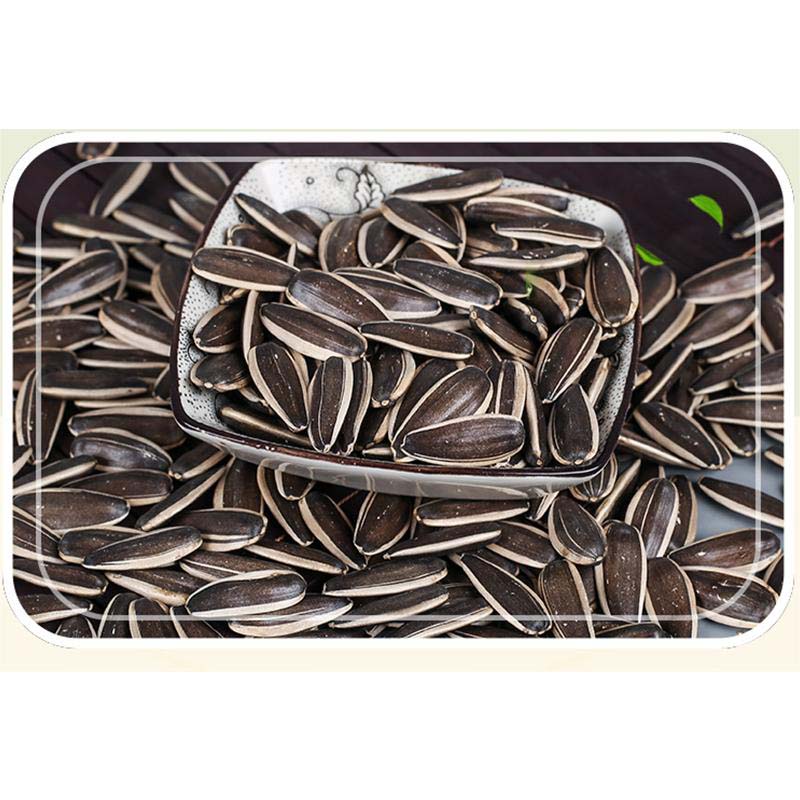
China wild sunflower seeds for planting ( Helianthus annuus) represent a significant component of the agricultural seed market, specifically targeting applications in oil production, bird feed, and increasingly, direct human consumption. These seeds differ from commercially bred sunflower varieties in their smaller seed size, higher oil content, and inherent genetic diversity, offering resilience to certain regional pests and diseases. Their position within the industry chain is as a primary agricultural input, requiring careful sourcing, processing (cleaning, drying, grading), and storage. Core performance characteristics are defined by germination rate, oil yield (expressed as a percentage of seed weight), protein content, and the absence of harmful contaminants such as aflatoxins and heavy metals. The growing demand for non-GMO and organically produced seeds elevates the importance of traceability and adherence to stringent quality control standards.
Material Science & Manufacturing
The raw material, Helianthus annuus seeds, exhibit a complex chemical composition. The seed coat, or hull, is primarily composed of cellulose and lignin, providing structural integrity and protection. Internally, the kernel consists of approximately 40-50% oil, predominantly linoleic acid (a polyunsaturated omega-6 fatty acid) and oleic acid (a monounsaturated omega-9 fatty acid). Protein content ranges from 18-25%, comprised of various globulins and albumins. Moisture content is critical, ideally maintained between 8-10% to prevent fungal growth and lipid oxidation. Manufacturing involves several key stages. Firstly, seeds are harvested mechanically or manually, followed by cleaning to remove debris, weeds, and damaged seeds. Drying, typically utilizing forced-air systems, reduces moisture content to ensure long-term storage stability. Grading separates seeds based on size and weight using screens and air classifiers. Critical parameter control focuses on maintaining consistent drying temperatures (below 60°C to preserve oil quality) and minimizing mechanical damage during cleaning and grading to avoid cracking the hulls, which can accelerate deterioration. Chemical treatments, while less common for wild varieties intended for direct consumption, may involve fungicide application during storage to prevent mold growth.
Performance & Engineering
Performance assessment of these seeds extends beyond basic germination rates and oil yield. Force analysis related to seed hull strength is important, especially in mechanical harvesting and processing, as cracking reduces quality and increases fines. Environmental resistance considerations include tolerance to drought, heat stress, and specific soil salinity levels, varying based on the seed’s provenance and genetic lineage. Compliance requirements are substantial, particularly regarding pesticide residues (regulated by FAO and local agricultural authorities), aflatoxin levels (strict limits imposed by the EU and FDA), and genetically modified organism (GMO) status (increasing consumer demand for non-GMO certification). Functional implementation focuses on maximizing oil extraction efficiency. Pre-treatment methods, such as hulling or flaking, increase surface area and improve oil release during pressing or solvent extraction. Oil quality, assessed through acid value, peroxide value, and iodine value, dictates its suitability for different applications (edible oil, biodiesel production, industrial lubricants). Storage conditions – temperature, humidity, and aeration – are critical engineering controls to maintain seed viability and oil quality over extended periods.
Technical Specifications
| Parameter | Unit | Typical Range (China Wild Variety) | Testing Method |
|---|---|---|---|
| Germination Rate | % | 85-95 | ISTA Standard |
| Oil Content | % (Dry Weight Basis) | 45-55 | Soxhlet Extraction (AOAC) |
| Protein Content | % (Dry Weight Basis) | 18-25 | Kjeldahl Method (AOAC) |
| Moisture Content | % | 8-10 | Oven Drying Method (AOAC) |
| Aflatoxin B1 | ppb | <2 | ELISA or HPLC |
| Seed Size (1000-seed weight) | g | 5-8 | Seed Counting & Weighing |
Failure Mode & Maintenance
Failure modes for china wild sunflower seeds can be categorized into several areas. Firstly, biological degradation includes fungal contamination (leading to aflatoxin production) and insect infestation, often exacerbated by improper storage conditions (high humidity, warm temperatures). Physical damage during harvesting, processing, or transportation (cracking, abrasion) reduces seed viability and oil quality. Oxidative degradation of the oil, resulting in rancidity, occurs through exposure to air and light, particularly if unsaturated fatty acids are present in high concentrations. Genetic erosion through non-selective breeding practices can reduce resilience to local environmental stressors. Maintenance and preventative measures involve strict adherence to storage guidelines – maintaining low temperatures (below 15°C) and humidity (below 65%), utilizing airtight containers, and implementing regular pest control protocols. Seed treatment with approved fungicides can mitigate fungal growth. Periodic viability testing (germination rate assessment) is crucial to monitor seed quality over time. For long-term preservation, cold storage (-20°C or lower) is recommended, but can induce chilling injury if not carefully controlled. Implementing a robust seed traceability system is also vital to identify and address potential quality issues quickly.
Industry FAQ
Q: What is the primary difference between wild sunflower seeds and commercially bred varieties concerning oil quality?
A: Wild sunflower seeds typically exhibit a higher proportion of linoleic acid compared to commercially bred hybrids, which often prioritize oleic acid content for improved oxidative stability. While this makes wild sunflower oil potentially more prone to rancidity if not properly stored, linoleic acid is considered beneficial for certain nutritional applications and offers distinct flavor profiles.
Q: How does seed moisture content impact long-term storage stability?
A: Moisture content is a critical factor. Above 10%, fungal growth and enzymatic activity accelerate, leading to seed deterioration, oil rancidity, and reduced germination rates. Maintaining a moisture content between 8-10% through proper drying and airtight storage is essential for preserving seed quality for extended periods.
Q: What are the key regulations concerning aflatoxin levels in sunflower seeds destined for human consumption?
A: Regulations vary by region. The European Union sets a maximum limit of 2.5 µg/kg for total aflatoxins in sunflower seeds. The FDA in the United States has an action level of 20 ppb (parts per billion) for aflatoxins. Compliance with these regulations is critical to avoid import restrictions and ensure product safety.
Q: What are the challenges associated with mechanical harvesting of wild sunflower seeds, and how are they addressed?
A: Wild sunflower varieties often have uneven maturation and a tendency for seed shattering during harvest, leading to yield losses. Adjusting combine harvester settings (reel speed, concave clearance) to minimize seed damage and utilizing windrowing techniques to allow for uniform drying can mitigate these challenges.
Q: What is the significance of non-GMO certification for china wild sunflower seeds in international markets?
A: Consumer demand for non-GMO products is increasing globally. Non-GMO certification (e.g., through organizations like the Non-GMO Project) provides assurance to buyers that the seeds have not been genetically modified, adding value and accessing premium market segments.
Conclusion
China wild sunflower seeds for planting represent a valuable agricultural resource offering unique characteristics in terms of oil content and genetic diversity. Successful utilization requires meticulous attention to detail throughout the entire supply chain – from careful harvesting and drying practices to stringent quality control measures addressing moisture content, aflatoxin levels, and seed viability. The performance of these seeds is inextricably linked to the parameters of their production and storage.
Future advancements in breeding programs focused on enhancing uniformity and resilience, alongside refined processing techniques that maximize oil extraction efficiency and minimize waste, will further unlock the potential of these seeds in meeting the growing global demand for sustainable and nutritious oilseed crops. Adherence to international standards and a commitment to traceability are essential for building trust and ensuring long-term market viability.
