Introduction
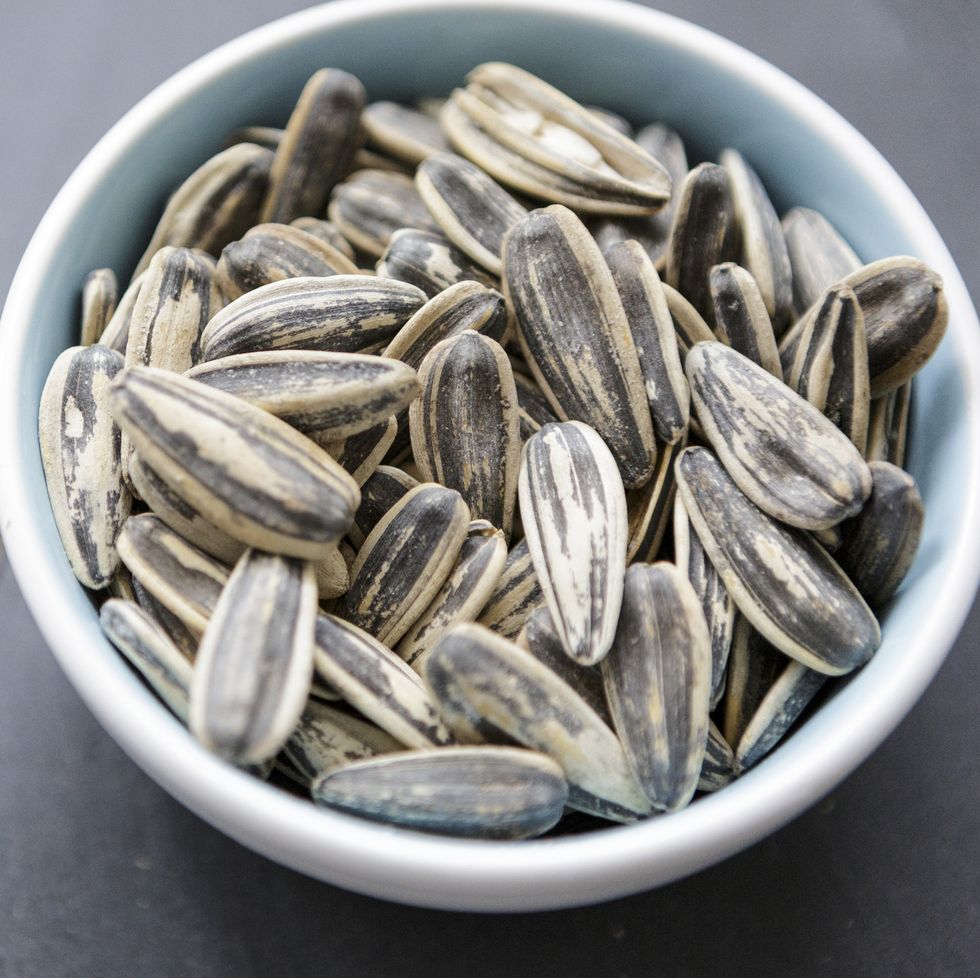
China wild dutchman sunflower seeds ( Helianthus annuus) represent a distinct subspecies cultivated primarily for edible seeds, oil extraction, and increasingly, for their inherent nutritional benefits and resilience in varied agricultural conditions. Positioned within the broader oilseed and snack food industry, these seeds occupy a niche characterized by a growing demand for naturally sourced, minimally processed ingredients. Core performance attributes include oil content, protein profile, fatty acid composition, germination rate, and resistance to common sunflower diseases. Unlike conventional, high-yielding sunflower varieties bred for maximum seed production, wild dutchman sunflowers prioritize genetic diversity and adaptation to marginal lands, resulting in unique flavor profiles and nutritional characteristics. This guide provides an in-depth technical analysis of the material science, manufacturing, performance, failure modes, and industry standards surrounding these seeds, geared towards procurement managers, agricultural engineers, and food processing professionals.
Material Science & Manufacturing
The raw material, the china wild dutchman sunflower seed, comprises a complex biological structure. The seed coat, or pericarp, is composed primarily of cellulose, hemicellulose, and lignin, providing a protective barrier. Beneath the seed coat lies the endosperm, representing the majority of the seed mass, and is rich in lipids (35-55% by weight), proteins (15-25%), carbohydrates (10-20%), and fiber. The embryo contains the genetic material for future growth. The oil content predominantly consists of linoleic acid (omega-6), oleic acid (omega-9), and palmitic acid. Manufacturing begins with land preparation, typically involving minimal tillage to preserve soil structure and moisture. Sowing depth is crucial, generally between 2-5cm, influencing germination success. Following plant maturation (typically 90-120 days), harvesting is conducted mechanically. The seed heads are cut and threshed, separating the seeds from the plant material. Post-harvest processing involves cleaning (removing chaff and debris), drying (reducing moisture content to ~8-10% to prevent fungal growth and maintain seed viability), dehulling (removing the seed coat, optional depending on end-use), and grading (categorizing seeds based on size and quality). Key parameter control during drying is paramount, maintaining temperatures below 45°C to avoid denaturation of proteins and oxidation of lipids. Dehulling efficiency impacts oil yield and seed appearance. Seed grading relies on sieve analysis, assessing seed size uniformity. Careful storage in cool, dry conditions is essential to minimize lipid oxidation and maintain germination rates.
Performance & Engineering
Performance assessment of china wild dutchman sunflower seeds centers on several key engineering considerations. Germination rate, directly impacting crop yield, is affected by seed viability, dormancy, and environmental factors (temperature, moisture, oxygen). Force analysis, particularly during dehulling, involves quantifying the force required to fracture the seed coat without damaging the kernel. This is critical for optimizing dehulling machinery and minimizing seed damage. Environmental resistance is a defining characteristic of this subspecies; it exhibits greater tolerance to drought, salinity, and nutrient-poor soils compared to conventional varieties. This resilience is attributable to its robust root system and efficient water use mechanisms. Compliance requirements pertain to food safety standards (mycotoxin levels, pesticide residues), seed purity regulations, and labeling requirements. Specifically, permissible levels of aflatoxins (B1, B2, G1, G2) are strictly regulated by agencies like the FDA and EFSA. Functional implementation, particularly in oil extraction, involves pre-pressing (mechanical extraction) followed by solvent extraction (typically using hexane) to maximize oil yield. The efficiency of oil extraction is affected by seed moisture content, temperature, and solvent-to-seed ratio. Engineering solutions to optimize oil recovery include pulsed electromagnetic field (PEMF) treatment and supercritical fluid extraction (SFE), offering alternatives to conventional hexane extraction.
Technical Specifications
| Parameter | Unit | Typical Value (Wild Dutchman) | Typical Value (Conventional Hybrid) |
|---|---|---|---|
| Oil Content | % (Dry Weight) | 42-50 | 44-58 |
| Protein Content | % (Dry Weight) | 20-28 | 18-25 |
| Linoleic Acid (C18:2) | % of Total Fatty Acids | 55-65 | 60-70 |
| Oleic Acid (C18:1) | % of Total Fatty Acids | 20-30 | 15-25 |
| Germination Rate | % | 80-90 | 92-98 |
| Seed Size (Diameter) | mm | 8-12 | 12-16 |
Failure Mode & Maintenance
Failure modes in china wild dutchman sunflower seeds manifest across the entire lifecycle, from pre-harvest to post-processing. Pre-harvest failures include susceptibility to fungal infections (e.g., Sclerotinia, Alternaria), insect damage (e.g., sunflower moth), and bird predation. These can result in reduced seed yield and quality. Post-harvest failures encompass lipid oxidation (leading to rancidity and off-flavors), protein denaturation (reducing nutritional value), and seed cracking during processing. Lipid oxidation is accelerated by exposure to oxygen, light, and elevated temperatures. Failure during oil extraction can occur due to inefficient dehulling, leading to higher oil residue in the meal, or incomplete solvent removal. Maintenance strategies involve implementing integrated pest management (IPM) practices to minimize fungal and insect infestations. Proper drying and storage conditions (cool, dry, dark) are crucial to prevent lipid oxidation and maintain seed viability. Regular inspection of processing equipment (dehullers, extractors) is necessary to identify and address mechanical failures. Antioxidant treatments (e.g., vitamin E) can be applied to seeds or oil to inhibit lipid oxidation. Preventative maintenance programs, including lubrication and component replacement, extend the lifespan of processing machinery and minimize downtime. Regular monitoring of mycotoxin levels is essential for food safety compliance.
Industry FAQ
Q: What are the primary differences in oil profile between wild dutchman sunflower seeds and high-oleic sunflower varieties?
A: While both types contain linoleic and oleic acids, high-oleic varieties are genetically engineered or bred to significantly elevate the oleic acid content (often >80%), enhancing oxidative stability and shelf life. Wild dutchman seeds typically exhibit a more balanced ratio, generally around 55-65% linoleic acid and 20-30% oleic acid, resulting in a distinct flavor profile and potentially differing nutritional benefits related to essential fatty acid balance.
Q: How does seed moisture content impact the efficiency of oil extraction?
A: Optimal seed moisture content for oil extraction is typically between 9-11%. Lower moisture content can lead to increased seed breakage during flaking, reducing oil yield. Conversely, higher moisture content increases energy consumption during drying and can promote microbial growth. Maintaining precise moisture control is critical for maximizing oil recovery and minimizing processing costs.
Q: What are the key considerations regarding mycotoxin contamination in these seeds?
A: Mycotoxins, particularly aflatoxins, are a significant concern in sunflower seeds. Contamination occurs primarily during pre-harvest due to fungal infections in the field. Proper harvesting practices (avoiding damaged seeds) and rapid drying are crucial for minimizing contamination. Regular testing for aflatoxin levels is mandatory to comply with food safety regulations.
Q: What advantages do wild dutchman sunflower seeds offer in terms of agricultural sustainability?
A: These seeds exhibit greater tolerance to drought and poor soil conditions, reducing the need for irrigation and fertilizers. Their genetic diversity enhances resilience against pests and diseases, potentially reducing the reliance on pesticides. The ability to thrive in marginal lands expands cultivatable areas and promotes biodiversity.
Q: What are the typical storage requirements for maintaining seed viability and quality over extended periods?
A: Long-term storage requires maintaining a cool (below 15°C), dry (below 8% moisture content), and dark environment. Seeds should be stored in airtight containers to prevent moisture absorption and oxidation. Periodic monitoring of seed viability and oil quality is recommended.
Conclusion
China wild dutchman sunflower seeds represent a valuable agricultural resource, offering a unique combination of nutritional benefits, environmental resilience, and distinct flavor characteristics. Their inherent adaptability to challenging growing conditions, coupled with a growing consumer demand for natural and sustainable ingredients, positions them favorably within the broader oilseed market. Understanding the complex interplay between material science, manufacturing processes, and performance parameters is crucial for optimizing seed quality, maximizing oil yield, and ensuring compliance with stringent food safety standards.
Future research should focus on further characterizing the genetic diversity within wild dutchman sunflower populations to identify superior traits for oil content, protein profile, and disease resistance. Exploring novel processing techniques, such as supercritical fluid extraction and pulsed electromagnetic field treatment, can enhance oil recovery and minimize environmental impact. Continued monitoring of mycotoxin levels and implementation of robust quality control measures are essential for maintaining consumer confidence and ensuring the long-term sustainability of this valuable crop.
