Introduction
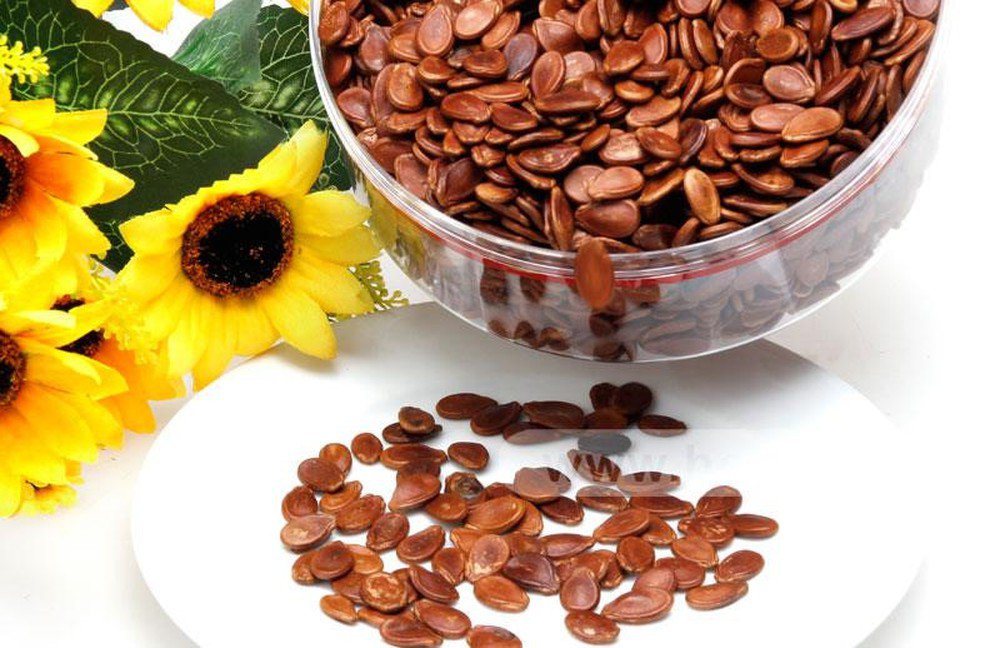
China Whole30 sunflower seeds represent a specific category of Helianthus annuus seed products cultivated, processed, and packaged within China, conforming to the dietary restrictions of the Whole30 program. This program emphasizes whole, unprocessed foods, eliminating grains, legumes, dairy, refined sugar, and alcohol. These seeds occupy a critical niche within the health food supply chain, acting as a snack alternative and ingredient for compliant recipes. Their technical positioning centers on achieving specified levels of purity, lipid profile, and absence of prohibited additives. Core performance indicators include oil content, protein content, moisture levels, and adherence to Whole30 compliance standards, differentiating them from conventionally processed sunflower seeds. The primary challenge in this industry lies in maintaining Whole30 compliance throughout the entire production chain, from agricultural practices to final packaging, ensuring no prohibited substances contaminate the product. Achieving consistency in quality and meeting increasing global demand for compliant snack options also present significant hurdles.
Material Science & Manufacturing
Sunflower seeds consist primarily of a lipid matrix (approximately 40-50% oil content), proteins (20-25%), carbohydrates (15-20%), and fiber (5-10%). The oil is rich in linoleic acid, an omega-6 fatty acid, alongside oleic acid, an omega-9 fatty acid. The shell (hull) is composed of cellulose and lignin, providing structural integrity. Raw material selection prioritizes non-GMO sunflower varieties with desirable lipid profiles and minimal mycotoxin contamination. Manufacturing begins with harvesting and drying to a specific moisture content (typically around 9-10%) to prevent spoilage. The seeds undergo dehulling, a mechanical process employing impact and friction to remove the outer shell. This is a crucial step impacting both product yield and purity. Further processing involves cleaning to remove foreign materials (dust, stems, stones). Grading based on size and density follows. Whole30 compliance mandates that no artificial flavorings, colors, or preservatives are added. Roasting, if performed, must utilize dry heat and avoid oils containing prohibited ingredients. Packaging utilizes materials ensuring barrier protection against oxygen and moisture to maintain freshness and prevent rancidity. Parameter control focuses on maintaining consistent seed moisture, optimal roasting temperatures (if applicable), and strict adherence to cleaning protocols to eliminate cross-contamination risks.
Performance & Engineering
The performance of Whole30 sunflower seeds is critically linked to their structural integrity, oil stability, and resistance to environmental degradation. Force analysis during processing (dehulling, roasting) requires understanding the seed’s compressive strength and fracture toughness to minimize damage and maximize yield. Environmental resistance is paramount, particularly concerning oxidation of unsaturated fatty acids leading to rancidity. Packaging materials are engineered to provide an oxygen barrier, retarding lipid oxidation. Moisture content management is crucial; excessive moisture promotes microbial growth and degrades quality, while insufficient moisture can lead to cracking and reduced palatability. Compliance requirements extend beyond ingredient lists to encompass manufacturing practices, requiring documented procedures to prevent cross-contamination with prohibited substances. Functional implementation centers around providing a nutritionally dense, compliant snack option. The seeds must deliver a specified energy density, protein content, and essential fatty acids while adhering to the Whole30 protocol. Shelf-life studies, utilizing accelerated aging techniques, are performed to determine expiration dates and validate packaging effectiveness. Analysis of Peroxide Value (PV) and Anisidine Value (AV) are conducted to monitor lipid oxidation and assess product quality over time.
Technical Specifications
| Parameter | Unit | Specification | Test Method |
|---|---|---|---|
| Oil Content | % (w/w) | 45-55 | Soxhlet Extraction (GB/T 5005) |
| Moisture Content | % (w/w) | ≤ 9.0 | Oven Drying (GB/T 5005-2008) |
| Protein Content | % (w/w) | 20-28 | Kjeldahl Method (GB/T 5005-2008) |
| Acid Value | mg KOH/g | ≤ 1.0 | Titration (GB/T 5005-2008) |
| Peroxide Value | meq O2/kg | ≤ 5.0 | Potentiometric Titration (GB/T 5005-2008) |
| Foreign Matter | % (w/w) | ≤ 0.5 | Visual Inspection & Sieving (GB/T 5005-2008) |
Failure Mode & Maintenance
Failure modes in China Whole30 sunflower seeds can be categorized as chemical, physical, or biological. Chemical failures include lipid oxidation (rancidity) leading to off-flavors and reduced nutritional value, accelerated by exposure to oxygen, light, and heat. Physical failures encompass cracking due to inadequate moisture control during processing or storage, resulting in broken seeds and reduced aesthetic appeal. Biological failures involve microbial contamination (molds, bacteria) arising from insufficient drying or improper storage conditions, leading to spoilage and potential toxin production (aflatoxins). Fatigue cracking in the shell during dehulling can also occur due to excessive mechanical stress. Maintenance focuses on preventative measures. Optimal storage conditions involve cool (below 15°C), dry (below 60% relative humidity), and dark environments. Packaging with effective oxygen and moisture barriers is essential. Regular monitoring of moisture content and peroxide value is recommended. Strict adherence to sanitation protocols throughout the manufacturing process minimizes microbial contamination risks. Implementing a robust quality control system, including regular testing for aflatoxins, is critical. For extended storage, nitrogen flushing of packaging can further reduce oxygen levels and retard oxidation. Proper stock rotation (FIFO – First In, First Out) ensures older batches are utilized before newer ones.
Industry FAQ
Q: What measures are taken to ensure the sunflower seeds are truly compliant with the Whole30 program, beyond simply avoiding listed prohibited ingredients?
A: Compliance extends beyond ingredient lists. We employ a rigorous vendor qualification program, auditing suppliers to ensure their agricultural practices and processing facilities do not introduce prohibited substances. Dedicated production lines are used exclusively for Whole30 compliant products, eliminating cross-contamination risks. We conduct regular third-party testing for potential contaminants, including residual pesticides and trace amounts of prohibited additives. Full traceability is maintained throughout the supply chain, allowing us to verify the origin and handling of every batch.
Q: How do you control for aflatoxin contamination, a known concern with sunflower seeds?
A: Aflatoxin control is paramount. We source sunflower seeds from regions with low historical aflatoxin incidence. Raw materials undergo rigorous inspection and sampling for aflatoxin B1 and total aflatoxins using HPLC (High-Performance Liquid Chromatography) analysis, adhering to strict limits set by international regulations. Throughout the storage and processing phases, we implement measures to minimize mold growth and prevent aflatoxin formation, including controlled humidity and temperature, and regular sanitation.
Q: What is the impact of the dehulling process on the nutritional profile of the sunflower seeds?
A: While dehulling removes the outer shell, which primarily consists of cellulose and lignin, it can slightly alter the nutritional profile. The hull contains a small amount of fiber and beneficial phytochemicals. However, the oil content and protein content are primarily concentrated in the kernel. We optimize the dehulling process to minimize kernel damage and nutrient loss, utilizing controlled mechanical force and efficient cleaning systems.
Q: How do you ensure the consistency of oil quality and prevent rancidity during long-term storage and transportation?
A: We utilize high-quality sunflower seeds with naturally stable lipid profiles. Packaging employs multi-layer films with excellent oxygen and moisture barrier properties. Nitrogen flushing is performed before sealing to displace oxygen within the package. Temperature-controlled storage and transportation are maintained throughout the supply chain. Regular monitoring of peroxide value and acid value during storage provides an indicator of oil quality and potential rancidity development.
Q: What certifications do you hold to demonstrate your commitment to quality and Whole30 compliance?
A: We maintain certifications including ISO 9001 (Quality Management System) and HACCP (Hazard Analysis and Critical Control Points). We also submit our products for independent verification by the Whole30 Approved designation program, providing assurance to consumers regarding full compliance with their dietary guidelines. We also pursue certifications related to non-GMO verification.
Conclusion
China Whole30 sunflower seeds represent a complex interplay of agricultural practices, material science, and stringent quality control measures. Maintaining Whole30 compliance requires a holistic approach, encompassing raw material sourcing, processing techniques, packaging solutions, and rigorous analytical testing. The key to success lies in minimizing oxidation, preventing microbial contamination, and upholding traceability throughout the entire supply chain.
Looking ahead, advancements in packaging technology, such as the development of biodegradable barrier films, will play a crucial role in enhancing sustainability. Continued research into optimizing dehulling processes to minimize nutrient loss and improving aflatoxin control strategies will further elevate product quality and safety. The growing demand for compliant snack options will drive innovation and necessitate ongoing investment in quality assurance measures to meet increasingly stringent consumer expectations.
