Introduction
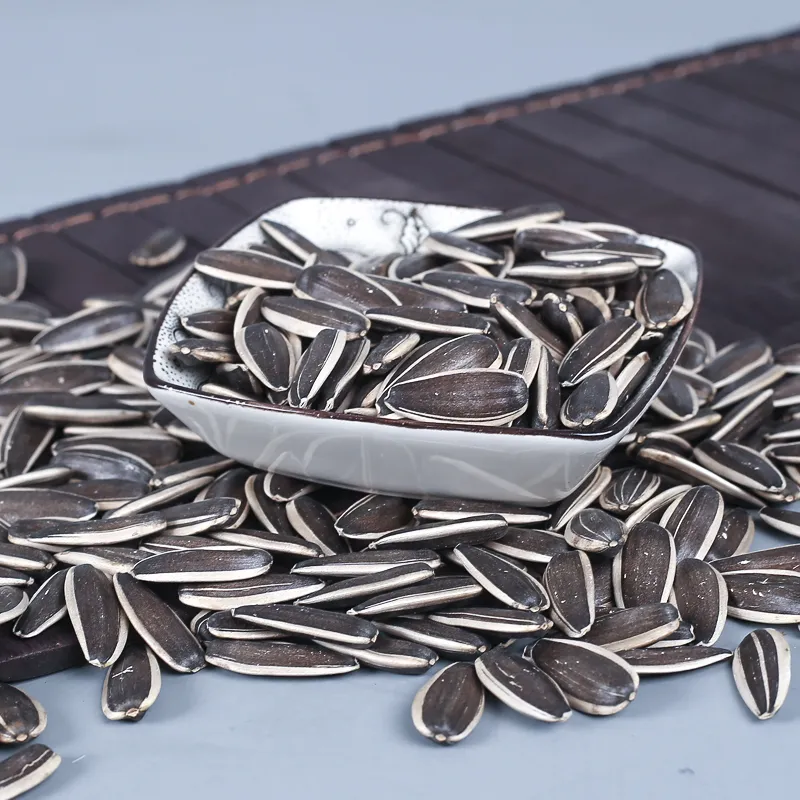
China White Sunflower Seeds ( Helianthus annuus) represent a significant segment within the global edible oilseed market. Positioned within the agricultural supply chain as a primary source of vegetable oil, confectionary kernels, and bird feed, these seeds are characterized by their off-white color, high oil content, and relatively thin hulls. Their cultivation focuses predominantly on regions with temperate climates and fertile soils, notably including Ukraine, Russia, Argentina, and increasingly, regions within the United States and China. Core performance metrics center around oil yield (typically 40-50% by weight), kernel size, protein content, and the absence of mycotoxins. This guide details the material science, manufacturing processes, performance characteristics, potential failure modes, and industry standards relevant to the production, processing, and utilization of China White Sunflower Seeds, geared towards procurement managers and technical professionals in the food processing, animal feed, and biofuel industries. The focus is on understanding variability and ensuring quality control throughout the lifecycle of the product.
Material Science & Manufacturing
The composition of China White Sunflower Seeds is fundamentally determined by three key components: the kernel, the hull (or husk), and the oil within the kernel. The kernel itself consists of approximately 40-60% oil, 20-30% protein, 10-20% carbohydrate, and a smaller percentage of minerals and vitamins. The oil primarily comprises linoleic acid (a polyunsaturated omega-6 fatty acid), oleic acid (a monounsaturated fatty acid), and palmitic acid. The hull is composed of cellulose, hemicellulose, and lignin, providing a protective barrier. The manufacturing process begins with seed selection, employing both mechanical and optical sorting to ensure purity and minimize foreign material. Planting is optimized for soil temperature and moisture levels. Following maturation, harvesting employs combines designed to minimize seed damage. Post-harvest processing includes cleaning (removal of debris), drying (to a moisture content of approximately 9-10% to inhibit microbial growth and prevent spoilage), dehulling (mechanical removal of the hull), and kernel grading based on size and quality. Critical parameters include maintaining drying temperatures below 60°C to preserve oil quality (preventing oxidation), controlling dehulling pressure to minimize kernel breakage, and employing effective dust control systems to mitigate fire hazards. Seed quality is heavily influenced by genetic lineage, soil nutrient availability (particularly nitrogen, phosphorus, and potassium), and the presence of pests and diseases like Sclerotinia head rot.

Performance & Engineering
Performance analysis of China White Sunflower Seeds extends beyond simple oil yield. Considerations include the oil’s fatty acid profile (critical for nutritional value and oxidative stability), kernel hardness (affecting dehulling efficiency and milling characteristics), and the presence of anti-nutritional factors like phytic acid. The oil undergoes rigorous testing for peroxide value (a measure of rancidity), acid value (indicating free fatty acids), and iodine value (representing unsaturation). From an engineering perspective, storage facilities must be designed to maintain consistent temperature and humidity (typically below 15°C and 65% relative humidity, respectively) to prevent mold growth and lipid oxidation. Bulk handling systems must minimize seed damage, utilizing conveying systems with low impact velocities. The design of dehulling machinery is crucial, balancing efficiency with minimizing kernel breakage and oil loss. Compliance requirements are governed by food safety regulations (e.g., HACCP, GMP) and standards related to genetically modified organisms (GMO labeling). The seeds’ physical properties – including angle of repose, bulk density, and particle size distribution – influence the design of storage and handling equipment. Furthermore, the structural integrity of the seed coat plays a role in protecting the kernel from mechanical stress during processing and transportation.
Technical Specifications
| Parameter | Unit | Typical Value (Range) | Testing Method |
|---|---|---|---|
| Oil Content | % (Weight) | 44-52% | Soxhlet Extraction (AOCS Official Method) |
| Kernel Moisture Content | % (Weight) | 9-10% (Max) | Oven Drying (AACC Method 915.1) |
| Kernel Hull Content | % (Weight) | 5-10% (Max) | Visual Inspection & Sieving |
| Free Fatty Acids (FFA) | % (Oleic Acid) | <0.5% | Titration (AOCS Official Method) |
| Peroxide Value (PV) | meq O2/kg | <10 | Titration (AOCS Official Method) |
| Linoleic Acid Content | % (of Total Fatty Acids) | 55-70% | Gas Chromatography (GC-FID) |
Failure Mode & Maintenance
Failure modes in China White Sunflower Seeds can occur at various stages, from pre-harvest to processing and storage. Pre-harvest failures include susceptibility to fungal infections (e.g., Sclerotinia, Phomopsis) leading to reduced yield and mycotoxin contamination (aflatoxins, zearalenone). Mechanical damage during harvesting and handling causes kernel cracking, increasing susceptibility to oxidative rancidity and insect infestation. During storage, the primary failure modes are lipid oxidation (resulting in off-flavors and reduced nutritional value) due to exposure to oxygen, light, and elevated temperatures; insect infestation (leading to seed loss and contamination); and mold growth (generating mycotoxins). Maintenance strategies include implementing integrated pest management (IPM) programs, controlling storage humidity and temperature, employing airtight storage containers, and regularly monitoring seed quality through peroxide value and mycotoxin testing. Preventive maintenance on processing equipment (dehullers, cleaners, dryers) is crucial to minimize seed damage. Regular cleaning of storage facilities and the use of appropriate sanitation protocols are essential to prevent mold growth and insect infestations. For oil processing, proper filtration and antioxidant addition are crucial to extend shelf life. A proactive approach to quality control and adherence to best practices throughout the supply chain are paramount to minimizing failure rates.
Industry FAQ
Q: What is the primary difference between high oleic and standard China White Sunflower Seeds in terms of processing stability?
A: High oleic varieties contain a significantly higher percentage of oleic acid (typically >70%) and a correspondingly lower percentage of linoleic acid. This dramatically improves oxidative stability, extending the shelf life of the oil and allowing for higher processing temperatures without significant degradation. Standard varieties, with higher linoleic acid content, are more prone to rancidity and require more careful handling during refining and storage.
Q: How does the moisture content of the harvested seeds impact long-term storage viability?
A: Moisture content is a critical parameter. Above 10% moisture, the risk of fungal growth and mycotoxin production dramatically increases. Below 9%, seed dormancy can be compromised, affecting germination rates if the seeds are intended for replanting. Maintaining a moisture content between 9-10% through proper drying and airtight storage is essential for preserving seed quality for extended periods.
Q: What are the key considerations when selecting a dehulling machine to minimize kernel damage?
A: Key considerations include the type of dehulling mechanism (impact vs. friction), the adjustable pressure settings, and the presence of aspiration systems to remove hulls and debris efficiently. Machines with gentler dehulling action and precise pressure control minimize kernel breakage. Regularly inspecting and maintaining the dehulling rollers and adjusting settings based on seed size and quality are also crucial.
Q: What are the regulatory limits for aflatoxin contamination in China White Sunflower Seeds intended for human consumption, and how is compliance verified?
A: Regulatory limits for aflatoxin vary by country. In the US, the FDA sets a limit of 20 parts per billion (ppb) for total aflatoxins. The European Union has similar limits. Compliance is typically verified through laboratory analysis using ELISA (Enzyme-Linked Immunosorbent Assay) or HPLC (High-Performance Liquid Chromatography) methods. Regular testing of seed lots and implementation of pre-harvest and post-harvest controls are essential to ensure compliance.
Q: How does the genetic variety influence the hullability and oil content of China White Sunflower Seeds?
A: Genetic variety has a significant impact. Certain hybrid varieties are specifically bred for improved hullability, resulting in higher kernel yields and reduced processing costs. Others are selected for enhanced oil content, exceeding typical levels. The hull tightness and seed coat composition are genetically determined traits that influence dehulling efficiency. Procurement decisions should consider the specific genetic profile of the seeds and its impact on processing characteristics.
Conclusion
China White Sunflower Seeds represent a valuable agricultural commodity with diverse applications. Understanding the intricacies of their material science, from kernel composition to hull characteristics, is paramount for optimizing processing efficiency and ensuring product quality. Effective manufacturing practices, encompassing careful harvesting, drying, and dehulling, coupled with stringent storage conditions, are crucial for mitigating failure modes and preserving oil stability. Adherence to industry standards and regulatory guidelines is non-negotiable for maintaining food safety and market access.
Future research should focus on developing improved seed varieties with enhanced resistance to disease, optimized fatty acid profiles, and improved hullability. Innovations in storage technologies and processing techniques can further minimize losses and enhance the overall sustainability of the sunflower seed supply chain. A continued emphasis on quality control and proactive risk management will be essential for meeting the evolving demands of the global food and feed industries.
