Introduction
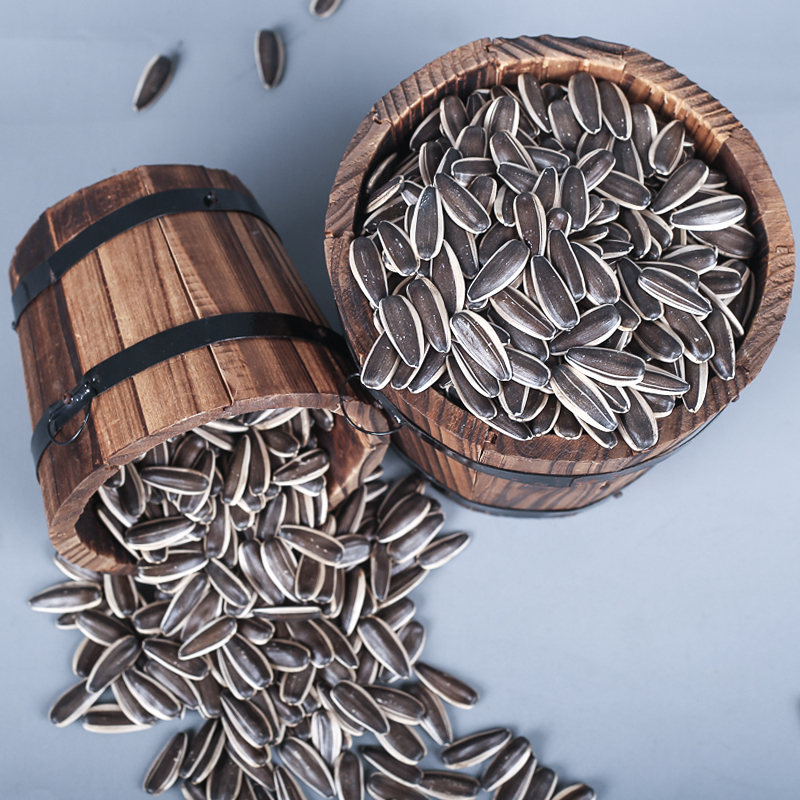
China White sunflowers ( Helianthus annuus ) represent a commercially significant variety within the broader sunflower cultivation industry. Their position in the supply chain extends from agricultural production to processing for oil extraction, confectionary seeds, and increasingly, specialized industrial applications. While traditionally recognized for their aesthetic qualities and food products, China White sunflowers are gaining prominence due to their high oil yield, low linolenic acid content, and suitability for specific downstream chemical processes. Core performance characteristics include oil content ranging from 48-55%, protein levels averaging 20-25%, and a favorable fatty acid profile impacting oil stability and processing efficiency. This guide provides a detailed technical overview of China White sunflower cultivation, processing, and performance, addressing key industry pain points related to yield optimization, oil quality control, and sustainable agricultural practices.
Material Science & Manufacturing
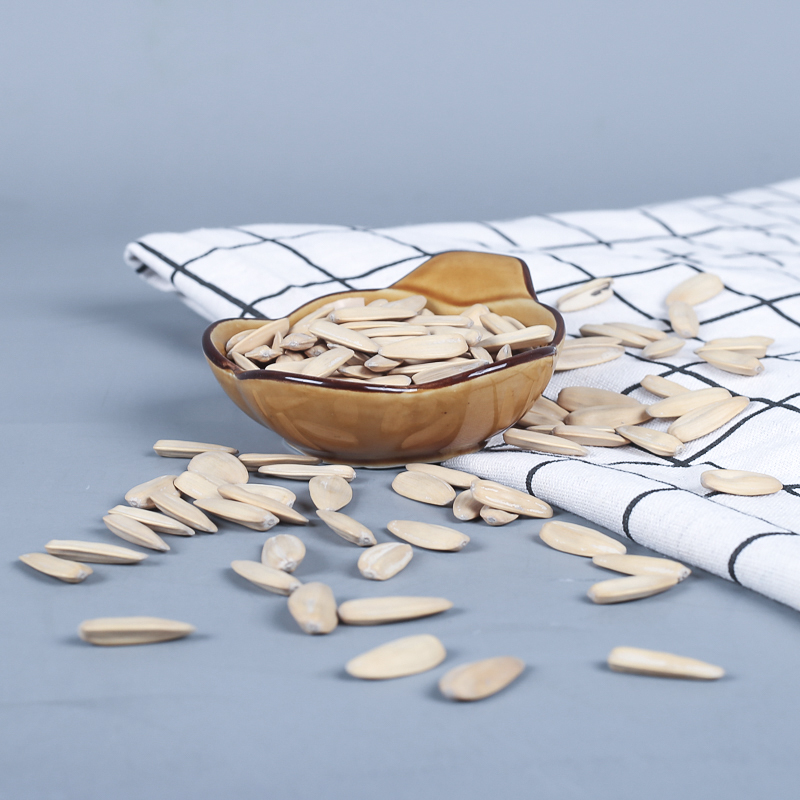
The primary raw material for China White sunflowers is, of course, the seed itself. Seed composition consists of approximately 40-50% oil, 20-30% protein, 10-15% carbohydrate (primarily starch), and 5-10% fiber. The oil is composed largely of triglycerides, with the fatty acid profile being a crucial determinant of its quality. Key fatty acids include linoleic acid (omega-6), oleic acid (omega-9), and palmitic acid. China White varieties are specifically bred for a high oleic acid content, increasing oxidative stability. Manufacturing begins with seed harvesting, typically via mechanical combine harvesters. Post-harvest processing involves seed drying to a moisture content of around 9-10% to prevent mold growth and maintain germination rates for subsequent seed production. Dehulling is a critical step, removing the outer hull (pericarp) to increase oil yield. This is commonly achieved through mechanical abrasion. The dehulled seeds (kernels) are then crushed, typically using screw presses or expellers, to extract the crude oil. Solvent extraction, using hexane, is often employed to maximize oil recovery from the press cake. Parameter control during drying is paramount – excessive temperatures degrade oil quality and protein. Dehulling efficiency impacts oil yield; incomplete dehulling results in higher fiber content in the oil. Pressing parameters (pressure, speed, temperature) directly influence oil yield and quality. Hexane recovery in solvent extraction must be highly efficient to minimize environmental impact and maintain product purity.
Performance & Engineering
The performance of China White sunflower oil is critically dependent on its fatty acid composition. High oleic acid content confers superior oxidative stability, reducing the need for synthetic antioxidants and extending shelf life. Force analysis related to the oil extraction process focuses on optimizing screw press mechanics to maximize force application while minimizing seed damage. This involves calculating shear forces, compression forces, and frictional forces within the press chamber. Environmental resistance considerations revolve around storage stability of both the seeds and the extracted oil. Temperature control is crucial, as elevated temperatures accelerate oxidation and degradation. Packaging materials must provide a barrier against oxygen and moisture. Compliance requirements include adherence to food safety regulations (e.g., FDA in the US, EFSA in Europe) regarding contaminant levels (e.g., heavy metals, pesticides) and solvent residue limits. The refining process, which typically involves degumming, neutralization, bleaching, and deodorization, must be carefully controlled to meet these standards. Specifically, deodorization requires high vacuum and temperature to remove volatile compounds responsible for undesirable odors and flavors, requiring precise engineering of the stripping steam system and temperature profile. Engineering considerations also apply to the design of storage facilities to prevent seed spoilage and maintain oil quality during long-term storage.
Technical Specifications
| Parameter | Unit | Typical Value (China White) | Standard Deviation |
|---|---|---|---|
| Oil Content | % (Dry Weight Basis) | 50-55 | 2-3 |
| Oleic Acid Content | % of Total Fatty Acids | 75-85 | 3-5 |
| Linoleic Acid Content | % of Total Fatty Acids | 10-20 | 2-4 |
| Protein Content | % (Dry Weight Basis) | 20-25 | 1-2 |
| Moisture Content (Harvested Seed) | % | 10-12 | 1-2 |
| Hull Content (Dehulled Seed) | % | <5 | 0.5-1.5 |
Failure Mode & Maintenance
Failure modes in China White sunflower processing can occur at several stages. Seed cracking during harvesting or dehulling reduces oil yield and increases fines. This is often due to excessive impact forces or improper machine settings. Fatigue cracking in press rollers or expellers can lead to equipment failure and oil contamination. This is addressed through regular inspection and preventative maintenance, including lubrication and bearing replacement. Oxidation of the oil during storage is a significant concern, leading to rancidity and reduced nutritional value. This can be mitigated by minimizing exposure to oxygen, light, and heat, and by adding natural or synthetic antioxidants. Degradation of the oil’s quality during refining, specifically polymerization during deodorization, can occur at excessively high temperatures or with inadequate vacuum. Proper temperature and vacuum control are critical. Mold growth in improperly dried seeds leads to the production of mycotoxins, rendering the seeds unsuitable for consumption. Maintaining appropriate drying temperatures and storage conditions is essential. Maintenance protocols should include daily inspection of harvesting and processing equipment, monthly lubrication of moving parts, and annual overhauls to replace worn components. Regular oil quality testing (peroxide value, acid value, iodine value) is crucial to identify and address potential degradation issues.
Industry FAQ
Q: What is the primary advantage of China White sunflowers over conventional varieties regarding oil stability?
A: China White sunflowers are bred for a significantly higher oleic acid content in their oil – typically 75-85% compared to 20-40% in conventional varieties. Oleic acid is a monounsaturated fatty acid that is inherently more resistant to oxidation, resulting in a longer shelf life and reduced need for synthetic antioxidants.
Q: How does hull content in dehulled seeds impact oil yield and processing efficiency?
A: Higher hull content reduces the overall oil yield as hulls contain negligible oil. Additionally, hull fragments can increase fiber content in the oil, requiring more extensive refining and potentially reducing oil quality. Efficient dehulling is critical to maximizing oil extraction.
Q: What are the key temperature control parameters during oil extraction and refining?
A: During pressing, maintaining temperatures below 60°C minimizes oil degradation. Solvent extraction should be conducted at temperatures below 50°C to prevent solvent loss and ensure safety. Refining processes like deodorization require precise temperature control (typically 220-270°C) and high vacuum to remove volatile compounds without causing excessive oil polymerization.
Q: What quality control measures should be implemented to ensure solvent residue levels meet regulatory requirements?
A: Solvent extraction facilities should employ closed-loop solvent recovery systems with >99% recovery efficiency. Regular monitoring of residual solvent levels in the oil using gas chromatography is essential. Strict adherence to regulatory limits (e.g., <10 ppm hexane in the US) is paramount.
Q: How does seed moisture content affect long-term storage stability?
A: Seed moisture content above 10% promotes mold growth and the production of mycotoxins. Proper drying to 9-10% moisture content, followed by storage in well-ventilated, dry facilities, is crucial for maintaining seed quality and preventing spoilage during prolonged storage.
Conclusion
China White sunflowers represent a significant advancement in sunflower oil production, offering enhanced oil stability and improved processing characteristics. The optimization of cultivation practices, meticulous control of manufacturing parameters, and diligent quality control measures are essential for maximizing oil yield and ensuring compliance with stringent industry standards. The high oleic acid content differentiates China White sunflower oil in the marketplace, catering to applications demanding extended shelf life and reduced reliance on synthetic antioxidants.
Future advancements in China White sunflower technology will likely focus on further increasing oleic acid content through genetic engineering, developing more efficient dehulling and oil extraction techniques, and optimizing storage conditions to minimize oil degradation. Continued research and development will solidify the position of China White sunflowers as a leading source of high-quality vegetable oil for both food and industrial applications.
