Introduction
China White Sunflower (Helianthus annuus) seed oil is a vegetable oil extracted from the seeds of the sunflower. Within the edible oil industry, it occupies a significant position due to its relatively light color, mild flavor, and favorable fatty acid profile. Its primary application is as a cooking oil, but it also serves as a crucial component in margarine production, salad dressings, and increasingly, as a feedstock for biofuel production. Key performance characteristics include a high linoleic acid content, a stable oxidative profile when refined appropriately, and a pale color that minimizes impact on the aesthetics of finished food products. Procurement managers in the food processing industry consistently prioritize sunflower oil based on price volatility, availability of supply, and increasingly, sustainability certifications regarding farming practices and processing methods.
Material Science & Manufacturing
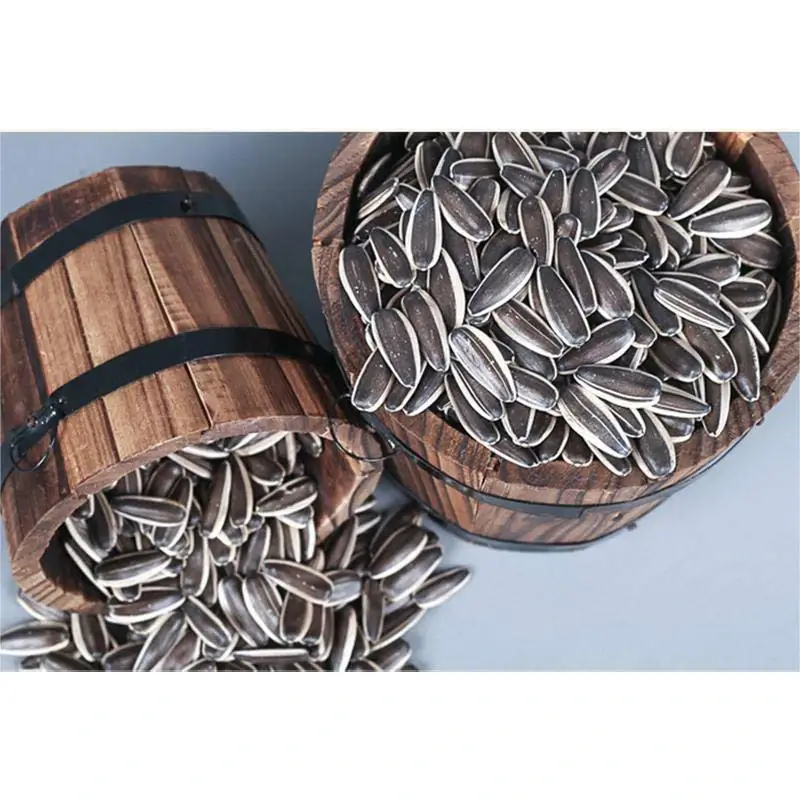
Sunflower seeds, the raw material for China White Sunflower oil, are comprised of approximately 35-55% oil content, alongside protein (20-25%), carbohydrates (15-20%), and fiber (5-10%). The oil itself is predominantly composed of triglycerides, with linoleic acid (typically 60-70%) and oleic acid (typically 20-30%) being the dominant fatty acids. The manufacturing process begins with seed cleaning and dehulling. Dehulled seeds undergo crushing, either mechanically using expellers or chemically using solvent extraction (typically hexane). Solvent extraction offers higher oil yield but requires careful solvent removal to meet food-grade standards. The crude oil then undergoes a series of refining stages: degumming (removal of phospholipids), neutralization (removal of free fatty acids), bleaching (removal of color pigments), and deodorization (removal of volatile compounds). Critical parameters in each stage include temperature control (to prevent thermal degradation), vacuum levels (during deodorization), and the precise ratio of refining agents (acids, alkalis, bleaching earths). The quality of the resulting oil is heavily dependent on seed variety, growing conditions (temperature, sunlight, water availability), and the efficiency of the refining process.
Performance & Engineering
The performance of China White Sunflower oil is primarily dictated by its fatty acid composition and physical properties. Its relatively high unsaturated fat content contributes to its liquid state at room temperature. Its smoke point, typically around 225°C (437°F), is a critical parameter for frying applications, influencing the formation of undesirable compounds like acrolein. Oxidative stability is a key engineering concern. The presence of antioxidants, both naturally occurring (vitamin E) and added, is essential to prevent rancidity during storage and heating. Packaging materials play a crucial role in mitigating oxidation; dark glass or opaque plastic containers are preferred. From a process engineering standpoint, the viscosity of the oil impacts pump selection and flow rates in food processing plants. Furthermore, compatibility with other ingredients in formulations, such as emulsifiers and stabilizers, needs careful consideration. Compliance with food safety regulations (e.g., limits on residual solvents, heavy metals, and pesticides) is paramount. The oil's dielectric properties also find application in certain specialized industrial processes.
Technical Specifications
| Parameter | Unit | Specification (Typical) | Test Method |
|---|---|---|---|
| Acid Value | mg KOH/g | ≤ 0.3 | ISO 660 |
| Peroxide Value | meq O₂/kg | ≤ 1.0 | ISO 3960 |
| Iodine Value | g I₂/100g | 110-130 | ISO 3785 |
| Saponification Value | mg KOH/g | 188-196 | ISO 3019 |
| Linoleic Acid (C18:2) Content | % | 60-70 | GC-FID (Gas Chromatography - Flame Ionization Detector) |
| Oleic Acid (C18:1) Content | % | 20-30 | GC-FID |
Failure Mode & Maintenance
Sunflower oil, despite its stability, is susceptible to several failure modes. Rancidity, caused by oxidative degradation, is the most common, resulting in off-flavors and odors. This is accelerated by exposure to light, heat, and oxygen. Hydrolytic rancidity, due to enzymatic or chemical hydrolysis of triglycerides, can also occur, particularly if moisture is present. Polymerization, leading to increased viscosity and the formation of undesirable compounds, can happen at high temperatures during frying. Color deterioration, characterized by darkening, indicates degradation and loss of quality. Maintenance, in the context of oil storage and handling, is crucial. This includes storing the oil in cool, dark, and dry conditions, utilizing airtight containers, and implementing a First-In, First-Out (FIFO) inventory management system. Regular monitoring of acid value, peroxide value, and color is recommended to detect early signs of degradation. In industrial settings, proper filtration to remove particulate matter extends the lifespan of the oil and prevents equipment fouling. Preventative maintenance of storage tanks and pipelines is also essential to avoid contamination.
Industry FAQ
Q: What is the impact of different sunflower seed varieties (high-oleic vs. high-linoleic) on oil performance and applications?
A: High-oleic sunflower oil, with its higher oleic acid content (typically >70%), exhibits superior oxidative stability and a longer shelf life compared to high-linoleic oil. This makes it ideal for frying and high-heat applications. High-linoleic oil, while less stable, is often preferred for salad dressings and margarines due to its desirable sensory properties and emulsification capabilities. Choosing the appropriate variety depends on the intended end-use.
Q: How does the refining process influence the residual levels of potentially harmful compounds like pesticides or solvents?
A: The refining process, particularly the deodorization stage under high vacuum and temperature, is designed to remove residual solvents (hexane) and volatile contaminants. However, complete removal isn't always guaranteed. Rigorous quality control testing, adhering to established limits (e.g., FDA regulations), is essential to ensure compliance. Proper selection of refining agents and optimized process parameters are also crucial.
Q: What are the key considerations when evaluating suppliers of China White Sunflower oil regarding sustainability and traceability?
A: Traceability is paramount. Suppliers should provide detailed information on seed origin, farming practices (e.g., pesticide use, water management), and processing methods. Sustainability certifications (e.g., ISCC, Roundtable on Sustainable Palm Oil (RSPO) – applicable by analogy for sunflower) demonstrate a commitment to responsible sourcing. Audits of supplier facilities are recommended to verify compliance.
Q: How does storage temperature affect the shelf life and quality of China White Sunflower oil?
A: Lower storage temperatures significantly extend the shelf life of sunflower oil. Ideally, it should be stored below 25°C (77°F) to minimize oxidation rates. Fluctuations in temperature accelerate degradation. Avoiding direct sunlight is also crucial. Long-term storage at lower temperatures (e.g., refrigerated) may cause clouding due to crystallization of saturated fats, but this does not necessarily indicate spoilage.
Q: What are the implications of the oil’s color characteristics for different applications?
A: The pale color of China White Sunflower oil is a significant advantage in applications where color transfer is undesirable, such as light-colored salad dressings and fried foods. Darker oils can impart a yellowish or brownish hue to the finished product. The color is measured using Lovibond color units, and specifications are often established based on the end-use requirements.
Conclusion
China White Sunflower oil’s position within the vegetable oil industry is secured by a favorable combination of characteristics: a mild flavor profile, a relatively light color, and a beneficial fatty acid composition. Its manufacturing process, while seemingly straightforward, necessitates precise control of parameters to ensure quality and safety. The oil’s performance is intrinsically linked to its chemical makeup and influenced significantly by storage and handling protocols.
Looking forward, the industry will likely see continued emphasis on sustainability and traceability, driven by consumer demand and regulatory pressures. Innovation in refining technologies, aimed at minimizing environmental impact and improving oil quality, will also be vital. Furthermore, research into enhancing oxidative stability, potentially through genetic modification of sunflower seeds or the incorporation of novel antioxidants, remains a key area of development.
