Introduction
China White Lite Sunflower seed oil, chemically categorized as Helianthus annuus, is a refined vegetable oil gaining prominence within the industrial B2B sector, specifically for applications demanding a stable, neutral-flavored, and high-oleic acid content oil. It occupies a key position in the lipid supply chain, positioned between crude sunflower seed oil and specialized industrial formulations. Its core performance characteristics – high smoke point, oxidative stability, and low viscosity – render it suitable for diverse applications including industrial lubricants, plasticizers, biodiesel production, and as a processing aid in rubber and polymer manufacturing. Unlike traditional sunflower oils, the ‘Lite’ designation refers to a specifically bred variety yielding seeds with a modified fatty acid profile optimized for prolonged shelf life and reduced polymerization during high-temperature processing. A primary industry pain point addressed by China White Lite Sunflower oil is the volatility in pricing and supply of alternatives like palm oil and soybean oil, coupled with growing consumer and regulatory pressures against trans fats and saturated fatty acids.
Material Science & Manufacturing
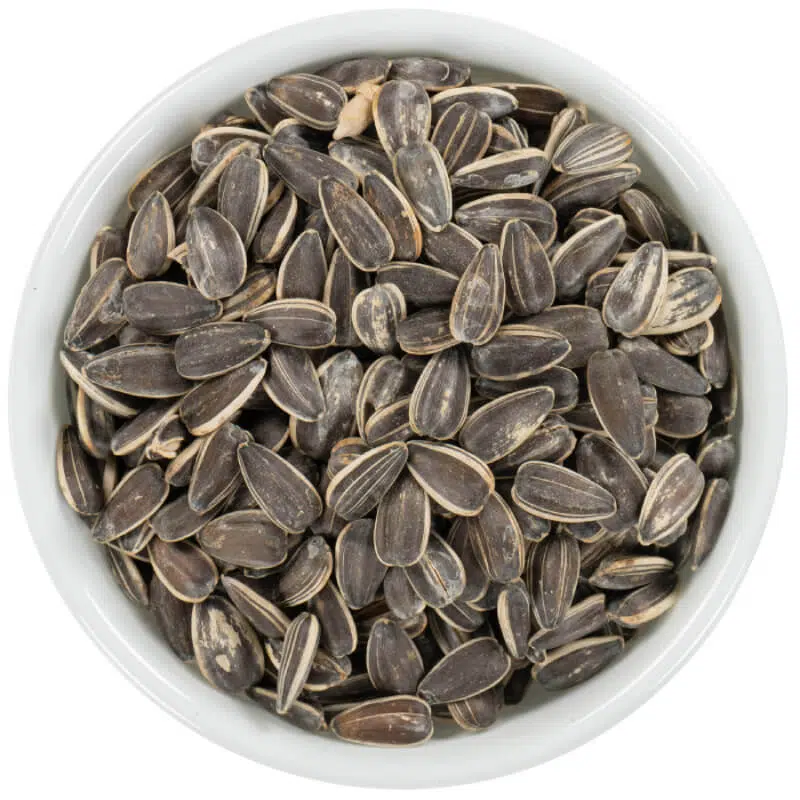
The primary raw material, sunflower seeds from the Helianthus annuus plant, are composed of approximately 35-50% oil, 20-25% protein, and 20-25% carbohydrate content. The defining characteristic of China White Lite Sunflower seed oil is its high oleic acid content, typically exceeding 80%, achieved through selective breeding. The manufacturing process begins with seed preparation: cleaning, dehulling, and flaking to increase surface area. Cold pressing is often employed initially, followed by solvent extraction (typically hexane) to maximize oil yield. The extracted oil undergoes a multi-stage refining process comprising degumming (removal of phospholipids), neutralization (removal of free fatty acids), bleaching (removal of color pigments using activated clay or carbon), and deodorization (removal of volatile compounds under vacuum and high temperature). The ‘Lite’ designation implies a more thorough deodorization process to minimize residual odor and flavor compounds. Critical parameters during refining include temperature control (to prevent thermal degradation and isomerization of unsaturated fatty acids), vacuum levels (optimizing deodorization efficiency), and solvent residue levels (ensuring compliance with food-grade standards, even for industrial applications). Quality control relies heavily on gas chromatography analysis to determine fatty acid composition, peroxide value (measuring oxidation), and color analysis using Lovibond scales.

Performance & Engineering
China White Lite Sunflower oil exhibits a high degree of oxidative stability due to its high oleic acid content. This translates to longer service life in lubricant applications, reduced polymerization in plasticizer formulations, and improved resistance to rancidity in industrial processes. Force analysis considerations are relevant in applications requiring viscosity control; the oil’s low viscosity (typically 35-55 cSt at 40°C) facilitates efficient pumping and flow. Environmental resistance is a key performance aspect; the oil is susceptible to degradation upon prolonged exposure to UV radiation and oxygen, necessitating the inclusion of antioxidants in formulations intended for outdoor use. Compliance requirements vary based on application. For instance, use in food-contact materials necessitates adherence to FDA regulations (21 CFR 178.3570) and European Union regulations (Regulation (EC) No 1935/2004). Biodiesel production requires compliance with EN 14214 and ASTM D6751 standards. In lubricant formulations, relevant standards include DIN 51502 and ISO 6743. The high smoke point (approximately 232°C) makes it suitable for high-temperature industrial processes, reducing the risk of thermal decomposition and smoke generation. The inherent lubricity reduces friction coefficients in metalworking fluid applications.
Technical Specifications
| Parameter | Unit | Specification | Test Method |
|---|---|---|---|
| Oleic Acid Content | % | ≥ 82.0 | Gas Chromatography (GC-FID) – AOCS Cd 14-95 |
| Linoleic Acid Content | % | ≤ 12.0 | Gas Chromatography (GC-FID) – AOCS Cd 14-95 |
| Acid Value | mg KOH/g | ≤ 0.3 | Titration – AOCS Cd 3-63 |
| Peroxide Value | meq O2/kg | ≤ 1.0 | Titration – AOCS Cd 8-53 |
| Moisture Content | ppm | ≤ 50 | Karl Fischer Titration – AOCS Ca 14-15 |
| Color (Lovibond) | Units | ≤ 1.5 Red / ≤ 2.0 Yellow | Lovibond Colorimeter – AOCS Cc 13b-92 |
Failure Mode & Maintenance
The primary failure modes for China White Lite Sunflower oil in industrial applications revolve around oxidation, polymerization, and contamination. Oxidation leads to increased viscosity, formation of insoluble gums and varnishes, and a decrease in lubricity. This is accelerated by exposure to air, heat, and metal catalysts. Polymerization occurs at elevated temperatures, forming higher molecular weight compounds that increase viscosity and can lead to deposit formation. Contamination, including water and particulate matter, degrades performance and accelerates oxidation. Failure analysis typically involves viscosity measurements, acid value determination, and spectroscopic analysis (FTIR) to identify oxidation products. Maintenance strategies include implementing closed-loop systems to minimize air exposure, utilizing filtration systems to remove particulate matter, and incorporating antioxidant additives (e.g., tocopherols, BHT) to inhibit oxidation. Regular oil analysis (monitoring acid value, peroxide value, and viscosity) is crucial for proactive maintenance. For applications involving high shear rates, the use of wear-resistant additives may be necessary to mitigate degradation. In biodiesel applications, maintaining proper fuel storage conditions and preventing microbial contamination are essential for long-term stability.
Industry FAQ
Q: What differentiates China White Lite Sunflower oil from standard industrial sunflower oil regarding long-term storage stability?
A: The significantly higher oleic acid content (≥82%) in China White Lite Sunflower oil provides substantially improved oxidative stability compared to standard sunflower oil, which typically contains a higher proportion of polyunsaturated fatty acids (linoleic acid). This reduced susceptibility to oxidation translates to a longer shelf life and reduced degradation during prolonged storage, minimizing the formation of gums and varnishes.
Q: How does the viscosity profile of this oil compare to commonly used mineral oils in metalworking fluids?
A: China White Lite Sunflower oil generally exhibits a lower viscosity than comparable mineral oils. This lower viscosity can lead to improved penetration into tight clearances and enhanced cooling performance in metalworking operations. However, the lower viscosity may necessitate the addition of viscosity modifiers (additives) to achieve optimal lubrication in certain applications.
Q: Is this oil suitable for high-temperature applications exceeding 200°C, and what precautions should be taken?
A: While possessing a high smoke point (232°C), prolonged exposure to temperatures exceeding 200°C can initiate thermal degradation and polymerization. The inclusion of high-temperature antioxidants is crucial, alongside a robust cooling system to minimize heat exposure. Regular oil analysis is recommended to monitor degradation products and determine oil change intervals.
Q: What are the environmental considerations regarding the disposal of used China White Lite Sunflower oil?
A: Used oil should be disposed of responsibly in accordance with local and national regulations. Biodegradability is a benefit, but direct release into the environment is prohibited. Recycling or reprocessing into biodiesel is the preferred option. Consult local waste management authorities for proper disposal procedures.
Q: What level of particulate contamination can be tolerated before it significantly impacts the performance of the oil in a hydraulic system?
A: Particulate contamination levels exceeding 15 ISO cleanliness code (44 µm) can significantly impact the performance of hydraulic systems, leading to increased wear and reduced efficiency. Continuous filtration with a particle removal rating of 3-5 µm is recommended to maintain oil cleanliness and prevent premature failure.
Conclusion
China White Lite Sunflower oil presents a compelling alternative to traditional industrial oils due to its enhanced oxidative stability, favorable environmental profile, and versatile performance characteristics. Its high oleic acid content mitigates the drawbacks associated with polyunsaturated oils, extending service life and reducing maintenance requirements across a broad spectrum of applications, from lubricants and plasticizers to biodiesel production. The oil’s lower viscosity can offer performance advantages in specific scenarios, although careful consideration of additive packages may be necessary.
Moving forward, continued research into advanced antioxidant formulations and the exploration of novel refining techniques will further enhance the performance and sustainability of China White Lite Sunflower oil. The increasing demand for bio-based and environmentally responsible industrial fluids positions this oil as a critical component in the transition toward a more sustainable industrial landscape. Standardizing quality control protocols and expanding certification schemes will be vital to ensuring consistent product performance and building industry confidence.
