Introduction
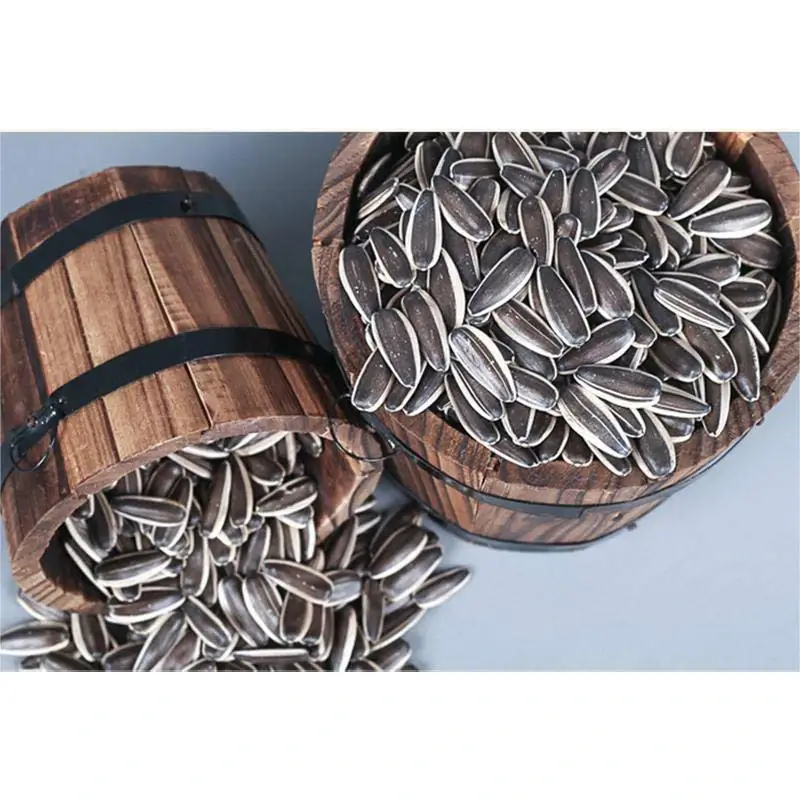
China watermelon seeds per gram represent a crucial metric in agricultural quality control and yield assessment. This guide provides a comprehensive technical overview of watermelon seed characteristics, focusing on factors impacting seed weight, germination rates, and subsequent plant performance. Watermelon (Citrullus lanatus) seed weight is intrinsically linked to seed viability, seedling vigor, and ultimately, fruit quality and marketable yield. Precise quantification of seeds per gram is vital for determining planting densities, assessing seed lot quality for commercial sales, and understanding the physiological state of the seed. This document details the material science underpinning seed development, the manufacturing and processing techniques employed, performance characteristics relevant to agricultural applications, potential failure modes impacting seed quality, and relevant international standards governing seed certification and trade.
Material Science & Manufacturing
Watermelon seeds are composed primarily of an embryo, endosperm (the nutrient reserve), and a seed coat (testa). The embryo contains the rudimentary plant and its genetic information. The endosperm is rich in oils (approximately 60-70% by weight, predominantly linoleic acid), proteins (20-30%), and carbohydrates. The seed coat provides physical protection and regulates gas exchange. The seed coat’s composition varies significantly between watermelon cultivars but generally consists of cellulosic fibers, lignin, and various proteins. Raw material quality begins with the parent plant’s genetics and nutritional status during fruit development. Manufacturing processes commence with harvesting mature watermelons. Seeds are extracted, washed to remove residual fruit pulp, and dried to a specific moisture content (typically 7-8%). This drying stage is critical; rapid drying can induce stress fractures in the seed coat, reducing viability. Controlled drying, utilizing forced-air or fluidized-bed dryers, is employed to minimize thermal damage. Subsequently, seeds undergo cleaning and grading, often involving sieving and density separation to remove damaged, immature, or insect-infested seeds. Key parameter control during processing includes maintaining optimal drying temperatures (below 45°C), minimizing mechanical damage during cleaning, and ensuring consistent seed moisture content for optimal storage stability. Seed treatment with fungicides or insecticides is also common to protect against seed-borne diseases and pests, necessitating careful monitoring of residue levels to meet regulatory requirements.
Performance & Engineering
The performance of watermelon seeds is evaluated based on several key characteristics, including germination percentage, germination speed, seedling vigor, and seedling disease resistance. Seeds per gram directly correlates with seed size, which influences these parameters. Smaller seeds generally have lower endosperm reserves, potentially leading to reduced seedling vigor. Force analysis, particularly relating to seed coat rupture during germination, is crucial. The seed coat must withstand sufficient force to prevent premature breakage but also allow for radicle emergence. Environmental resistance is a critical consideration. Seed viability is affected by temperature fluctuations, humidity levels, and exposure to UV radiation. Seeds stored under high humidity conditions are susceptible to fungal growth, while exposure to elevated temperatures can accelerate metabolic processes, reducing longevity. Compliance requirements include adherence to national and international seed certification standards (discussed in the standards section). Functional implementation involves determining optimal seeding rates based on seeds per gram, soil conditions, and climate. Engineering considerations extend to seed coating technologies, which aim to improve germination rates, protect against pests and diseases, and enhance nutrient uptake.
Technical Specifications
| Parameter | Unit | Typical Range (China Watermelon Seeds) | Test Method |
|---|---|---|---|
| Seeds per Gram | seeds/g | 120-180 | Manual Counting & Weighing (ISTA Method) |
| Seed Moisture Content | % | 7-8 | Oven Drying Method (ISTA Method) |
| Germination Percentage | % | 85-95 | Standard Germination Test (ISTA Method) |
| Seed Viability | % | 70-80 (after 12 months storage) | Tetrazolium Test (ISTA Method) |
| Oil Content | % (dry weight basis) | 60-70 | Soxhlet Extraction Method |
| Seed Coat Thickness | µm | 50-100 | Microscopic Measurement |
Failure Mode & Maintenance
Watermelon seed failure can manifest in several ways. Fatigue cracking of the seed coat due to improper drying or mechanical handling is a common failure mode, reducing viability. Delamination of the seed coat, often caused by rapid hydration or temperature shock, can inhibit radicle emergence. Degradation of oil reserves in the endosperm, accelerated by high storage temperatures or humidity, diminishes seedling vigor. Oxidation of lipids within the endosperm leads to rancidity and reduces germination rates. Insect infestation, particularly by storage pests, results in seed damage and loss of viability. Maintenance involves optimal storage conditions: low temperature (4-10°C), low humidity (below 60%), and protection from light and pests. Regular monitoring of seed moisture content is crucial. Periodic viability testing is recommended, particularly for long-term storage. Seed treatments with appropriate fungicides and insecticides can prevent fungal growth and pest infestations. Preventative measures during harvesting and processing, such as minimizing mechanical damage and ensuring rapid, controlled drying, are paramount. Routine inspection for visible damage or signs of pest activity is essential.
Industry FAQ
Q: What is the significance of a higher seeds per gram count?
A: A higher seeds per gram count generally indicates smaller seed size. While it may suggest a larger quantity for a given weight, it often correlates with lower endosperm reserves and potentially reduced seedling vigor. Therefore, a higher count isn't always desirable, and must be balanced against germination rates and seedling performance.
Q: How does seed moisture content affect long-term storage?
A: Seed moisture content is arguably the most critical factor influencing long-term storage. High moisture content promotes fungal growth, accelerates metabolic processes, and reduces viability. Maintaining a moisture content of 7-8% is essential for maximizing seed longevity.
Q: What testing methods are used to assess seed quality before planting?
A: Standard tests include germination percentage, germination speed, seed viability (using the tetrazolium test), and purity analysis. Seed weight (seeds per gram) is also a fundamental quality parameter.
Q: Can seed treatments impact the seeds per gram value?
A: Seed treatments, particularly coatings, can slightly increase the weight per seed, thus reducing the seeds per gram count. However, the impact is usually minimal and outweighed by the benefits of the treatment, such as improved germination or pest protection.
Q: What are the key differences between hybrid and open-pollinated watermelon seeds in terms of performance?
A: Hybrid watermelon seeds generally exhibit higher vigor, improved disease resistance, and more uniform fruit production compared to open-pollinated seeds. However, hybrid seeds do not breed true; saving seeds from hybrid watermelons will not produce plants with the same characteristics in the following generation.
Conclusion
The quantification of china watermelon seeds per gram is not merely a numerical exercise, but a fundamental indicator of seed quality and potential crop yield. This technical guide has highlighted the intricate relationship between material science, manufacturing processes, performance characteristics, and potential failure modes affecting watermelon seed viability and seedling vigor. Understanding these factors is critical for ensuring optimal planting densities, maximizing crop productivity, and maintaining consistent fruit quality.
Future research should focus on developing improved seed coating technologies to enhance germination rates and protect against environmental stresses. Furthermore, advancements in seed drying and storage techniques are needed to extend seed longevity and reduce post-harvest losses. A continued emphasis on quality control measures throughout the entire seed production chain will be essential for meeting the growing global demand for high-quality watermelon seeds.
