Introduction
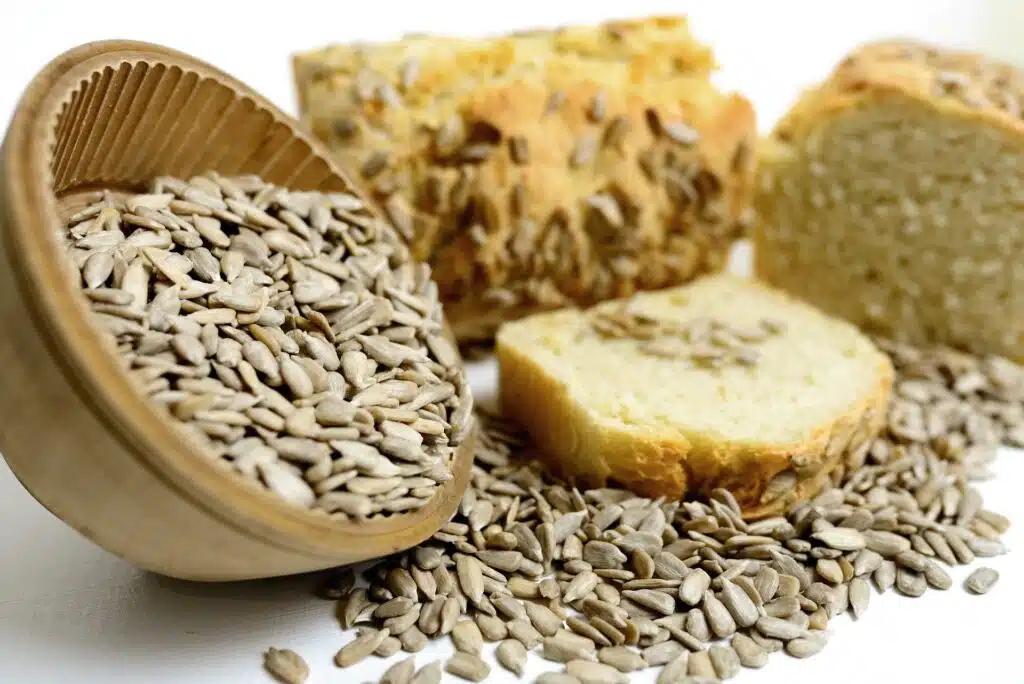
China watermelon seeds, packaged and sold at a price of 1 kg, represent a significant segment of the global agricultural seed market. These seeds are the foundation for Citrullus lanatus, a warm-season crop widely cultivated for its fleshy fruit. Their technical position within the agricultural supply chain lies as the primary input for watermelon production, impacting yield, fruit quality, and ultimately, economic viability for farmers. Core performance characteristics, crucial for evaluation, include germination rate, seed vigor (measured by seedling growth), genetic purity (ensuring consistent fruit characteristics), and disease resistance. The market is driven by demand for diverse watermelon varieties – seeded, seedless, mini, and specialty types – requiring specific seed characteristics. Supply chain considerations focus on maintaining seed viability during storage and transport, a critical factor impacting market price and farmer profitability.
Material Science & Manufacturing
Watermelon seed composition is primarily defined by its endosperm, embryo, and seed coat. The endosperm constitutes the bulk of the seed, containing stored carbohydrates (primarily starch), proteins, and lipids vital for germination. The embryo represents the nascent plant, containing the genetic blueprint for watermelon development. The seed coat, a protective outer layer, is composed of lignocellulose, providing physical resistance against mechanical damage and environmental stressors. Raw material selection focuses on high-yielding watermelon cultivars exhibiting desirable traits. Manufacturing begins with controlled pollination, often utilizing isolated fields or insect-proof structures to ensure genetic purity. Following fruit maturation, seeds are extracted, cleaned, and dried to a specific moisture content (typically 8-10%) to maximize storage life. Seed drying is a critical parameter – too rapid drying can induce cracking and reduce viability, while insufficient drying promotes fungal growth. Seed treatment, involving fungicide and insecticide application, is commonly employed to protect seeds during storage and early seedling development. Quality control utilizes germination tests (ISTA standards) and tetrazolium staining to assess seed viability and vigor. Hybrid seed production necessitates careful management of parental lines and controlled crossing techniques.
Performance & Engineering
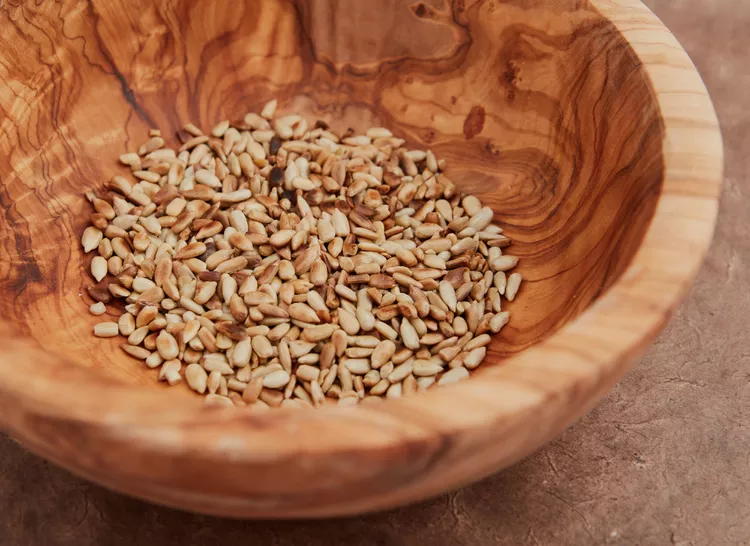
Watermelon seed performance is fundamentally linked to germination success and seedling vigor. Germination rate is influenced by temperature, moisture, and oxygen availability. Optimal germination temperatures range from 25-35°C, with moisture levels maintained consistently through irrigation. Seed vigor, a measure of seedling growth potential, is affected by seed size, weight, and the reserve food supply within the endosperm. Environmental resistance is critical, particularly concerning soil salinity, drought stress, and fungal pathogens (e.g., Fusarium, Rhizoctonia). Seed coatings incorporating micronutrients and biostimulants can enhance stress tolerance. Compliance requirements vary by importing country, encompassing phytosanitary certificates (ensuring freedom from pests and diseases) and seed labeling regulations (specifying germination rate, purity, and cultivar information). Engineering considerations include optimizing seed packaging to minimize moisture absorption and mechanical damage during transport. Seed pelleting, a process of coating seeds with inert materials, improves handling characteristics and facilitates precision planting. Seed size uniformity is also a key engineering parameter, impacting planter accuracy and seedling emergence consistency.
Technical Specifications
| Germination Rate (%) | Purity (%) | Moisture Content (%) | 1000-Seed Weight (grams) |
|---|---|---|---|
| ≥ 85 | ≥ 98 | ≤ 8.0 | 20-30 (depending on variety) |
| ≥ 80 (Hybrid varieties) | ≥ 95 (Hybrid varieties) | ≤ 7.5 (for long-term storage) | 25-35 (larger hybrid varieties) |
| ≥ 75 (Open-pollinated varieties) | ≥ 90 (Open-pollinated varieties) | ≤ 9.0 (acceptable range) | 15-25 (smaller open-pollinated varieties) |
| Disease Resistance (Fusarium) | Disease Resistance (Anthracnose) | Seed Lot Uniformity (Coefficient of Variation) | Genetic Purity (%) |
| High/Medium/Low (specified by cultivar) | High/Medium/Low (specified by cultivar) | ≤ 5% | ≥ 99 (Hybrid varieties) |
| Seed Size (mm) | Seed Shape (Length/Width Ratio) | Viability after 12 months storage (%) | Seed Coating Type (if applicable) |
Failure Mode & Maintenance
Failure modes for watermelon seeds encompass several categories. Primary failures include non-germination due to inherent seed dormancy, mechanical damage during handling, or exposure to unfavorable storage conditions (high temperature, humidity). Seedling damping-off, caused by fungal pathogens (Pythium, Rhizoctonia) is a common post-germination failure, particularly under cool, wet conditions. Genetic degradation over multiple generations in open-pollinated varieties can lead to reduced yield and fruit quality. Seed coat cracking, resulting from rapid drying or mechanical stress, compromises seed viability. Maintenance focuses on proper seed storage: maintaining low temperature (4-10°C) and humidity (≤ 60%) in airtight containers. Seed treatments with fungicides and insecticides are crucial preventative measures. Regular germination testing (every 6-12 months) assesses seed viability and identifies potential quality issues. For hybrid seeds, annual replacement is recommended to maintain genetic purity and vigor. Careful monitoring of seed lots for signs of fungal contamination (visible mold growth, discoloration) is essential. Proper seed handling practices, minimizing mechanical damage and exposure to sunlight, are critical for preserving seed quality.
Industry FAQ
Q: What is the significance of hybrid watermelon seeds compared to open-pollinated varieties?
A: Hybrid watermelon seeds offer significant advantages in terms of yield, uniformity, and disease resistance. Hybrids are created by crossing two inbred lines, resulting in “hybrid vigor” – enhanced performance compared to either parent. However, seeds from hybrid watermelons will not breed true; farmers must purchase new hybrid seeds each season. Open-pollinated varieties, while cheaper, exhibit greater genetic variability and lower yield potential, though seeds can be saved and replanted.
Q: How does seed coating technology impact watermelon production?
A: Seed coating technology provides several benefits. Coatings can include fungicides, insecticides, micronutrients, and biostimulants, protecting seeds from pests and diseases during germination and early seedling development. Coatings also improve seed handling characteristics, facilitating precision planting. Furthermore, some coatings enhance water absorption and promote uniform emergence.
Q: What are the key considerations for long-term storage of watermelon seeds?
A: Long-term storage requires maintaining low temperature (4-10°C) and low humidity (≤ 60%) in airtight containers. Seed moisture content should be ≤ 8.0%. Periodic germination testing is essential to monitor viability. Protecting seeds from direct sunlight and physical damage is also critical.
Q: How can I assess the quality of a watermelon seed lot before planting?
A: Quality assessment involves performing a germination test (following ISTA protocols) to determine germination rate and vigor. Visual inspection for seed size uniformity, seed coat integrity, and absence of fungal contamination is also important. Assessing 1000-seed weight provides an indication of seed fill and vigor.
Q: What phytosanitary regulations typically apply to international watermelon seed shipments?
A: International shipments require a phytosanitary certificate issued by the exporting country's national plant protection organization, verifying freedom from regulated pests and diseases. Specific regulations vary by importing country and may include requirements for seed treatment and testing for specific pathogens.
Conclusion
China watermelon seeds, sold at 1 kg price points, are a critical agricultural input demanding careful consideration of material science, manufacturing processes, and performance characteristics. Maintaining seed viability through proper storage and handling is paramount, alongside adherence to strict quality control measures and compliance with international phytosanitary regulations. Understanding failure modes and implementing preventative maintenance strategies – including seed treatment and regular germination testing – are essential for maximizing yield and minimizing economic losses.
The future of watermelon seed technology will likely focus on developing improved hybrid varieties with enhanced disease resistance, drought tolerance, and fruit quality traits. Advances in seed coating technology, incorporating novel biostimulants and nutrient delivery systems, will further enhance seedling vigor and stress tolerance. Continued refinement of quality control procedures, incorporating molecular markers for genetic purity and disease resistance, will ensure a consistent and reliable supply of high-quality watermelon seeds to meet growing global demand.
