Introduction
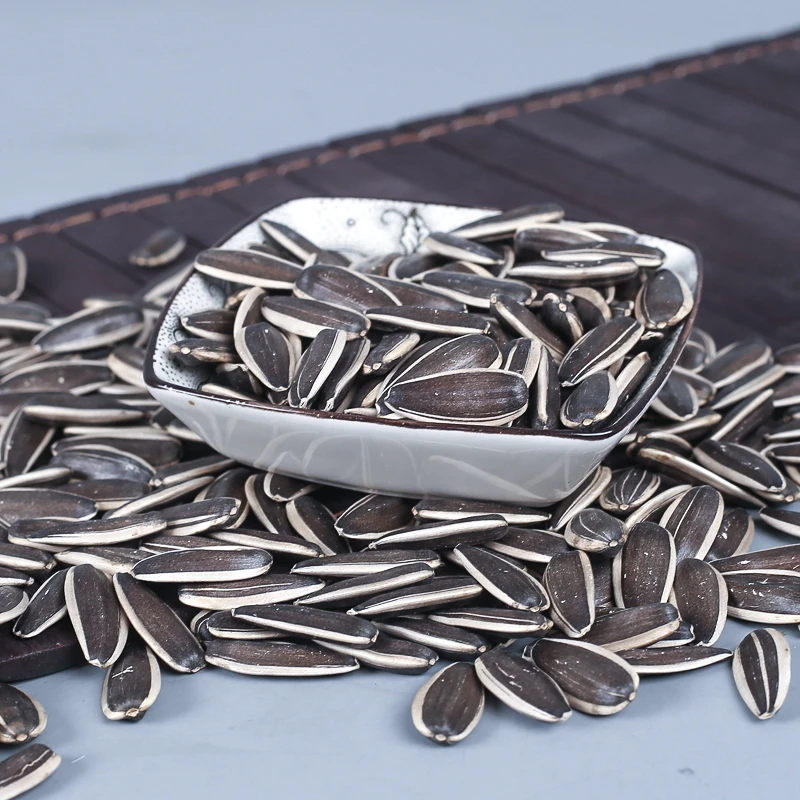
China water sunflower seeds (Helianthus annuus) represent a significant segment of the global snack food industry, particularly within Asian markets. These seeds are not a typical sunflower seed as found in North America or Europe; they are grown specifically for direct consumption after undergoing a unique hydrothermal treatment – a ‘water-popping’ process. This process differentiates them fundamentally from oil-seed varieties destined for oil extraction or roasted/salted consumption. Their technical position lies in the intersection of agricultural processing, food science, and snack food manufacturing. Core performance characteristics revolve around moisture content, seed coat integrity, popping ratio (percentage of seeds successfully ‘popped’), flavor profile (influenced by variety and processing), and shelf stability. The industry faces key challenges surrounding consistency in popping quality, maintaining optimal moisture levels post-processing, and preventing rancidity due to the inherent oil content. The demand for convenient, healthy snacks is driving innovation in processing techniques and packaging solutions for this product.
Material Science & Manufacturing
The primary raw material is the black sunflower seed, specifically cultivars selected for their seed size, oil content (typically 40-50%), and coat characteristics suitable for water-popping. The seed coat comprises multiple layers: the pericarp (outer layer providing physical protection), the testa (pigmented layer determining color), and the endosperm (starchy reserve). The hydrothermal process is crucial. Seeds are submerged in water, typically at temperatures between 80-100°C, for a controlled duration (30-60 minutes). This causes rapid water absorption, increasing internal pressure. The key parameter control lies in precise temperature and time management. Too low a temperature results in incomplete popping; too high causes seed rupture and poor texture. Post-popping, seeds are typically dried using a fluidized bed dryer to reduce moisture content to approximately 12-15% for stability. Drying rate impacts texture – rapid drying can cause case hardening, while slow drying increases the risk of microbial growth. Packaging materials must offer excellent moisture barrier properties. Additives, such as salt or flavorings, are applied post-drying, often through a tumbling process to ensure even distribution. Seed oil composition, dominated by linoleic acid, contributes to potential oxidative degradation. Anti-oxidant additives are sometimes used to extend shelf life.
Performance & Engineering
Performance is significantly linked to the mechanics of the water-popping process. Force analysis reveals that the popping phenomenon is driven by the rapid expansion of steam within the seed. The seed coat must withstand a certain internal pressure before fracturing along pre-defined lines, resulting in the characteristic ‘popped’ shape. Environmental resistance is critical for packaging. Moisture ingress leads to clumping, microbial growth, and flavor loss. Exposure to oxygen causes lipid oxidation and rancidity. Therefore, packaging materials must demonstrate low Oxygen Transmission Rate (OTR) and Water Vapor Transmission Rate (WVTR). Compliance requirements are governed by food safety regulations, including those pertaining to permissible moisture levels, aflatoxin contamination (a significant concern with sunflower seeds), and labeling requirements. Functional implementation involves optimizing the seed’s texture and palatability. The degree of “puffiness” and the ease with which the seed coat separates from the kernel are important attributes. Engineering considerations include designing efficient water-popping systems with precise temperature control, optimizing drying parameters to minimize thermal degradation, and selecting appropriate packaging materials for long-term preservation.
Technical Specifications
| Parameter | Unit | Typical Range | Test Method |
|---|---|---|---|
| Moisture Content | % w/w | 12-15 | GB 5005-2008 (China), AOAC 925.10 (International) |
| Popping Ratio | % | 85-95 | Visual Inspection/Weight Ratio |
| Oil Content | % | 40-50 | Soxhlet Extraction (GB/T 6030) |
| Seed Size (Diameter) | mm | 6-8 | Sieve Analysis |
| Water Activity (Aw) | - | < 0.6 | Water Activity Meter (ASTM E337) |
| Peroxide Value (PV) | meq O2/kg | < 5 | Titrimetric Method (GB 5009-2008) |
Failure Mode & Maintenance
Failure modes for china water sunflower seeds are diverse. Case Hardening: Occurs during rapid drying, resulting in a hard, unpalatable seed coat. Mitigation: Controlled drying rates, optimized air flow in fluidized bed dryers. Rancidity: Due to lipid oxidation. Mitigation: Packaging with low OTR, addition of antioxidants (e.g., BHA, BHT), controlled storage temperatures. Clumping: Caused by moisture absorption. Mitigation: High-barrier packaging, desiccant inclusion in packaging. Seed Coat Cracking: Occurs during water-popping if temperature is too high or seeds are damaged. Mitigation: Precise temperature control, seed quality control. Aflatoxin Contamination: A serious safety concern stemming from fungal growth during pre-harvest or storage. Mitigation: Strict quality control of raw materials, proper storage conditions, and regular aflatoxin testing. Maintenance involves proper storage conditions – cool, dry, and dark – to minimize oxidative degradation and moisture absorption. Packaging should be regularly inspected for integrity. Shelf-life studies are crucial to determine the optimal ‘best before’ date and to ensure product quality remains acceptable throughout its intended lifespan. Implementing a First-In, First-Out (FIFO) inventory system is also essential.
Industry FAQ
Q: What are the critical quality control parameters for incoming raw sunflower seeds?
A: Critical parameters include seed size uniformity, moisture content (should be within a specified range for optimal water-popping), and the absence of foreign matter or damaged seeds. Aflatoxin levels must also be assessed, as this represents a significant food safety risk. Seed viability testing is also performed to ensure a high popping ratio.
Q: How does the water-popping process affect the nutritional profile of the seeds?
A: The water-popping process generally doesn’t significantly alter the macronutrient composition (protein, fat, carbohydrates). However, some water-soluble vitamins may be leached during the process. The process can improve the bioavailability of certain nutrients by rupturing the cell walls.
Q: What packaging materials are most effective at extending the shelf life of water-popped sunflower seeds?
A: Multi-layer films incorporating aluminum foil or metallized polyester provide excellent moisture and oxygen barrier properties. High-density polyethylene (HDPE) or polypropylene (PP) are commonly used as inner layers for food contact. Vacuum packaging or Modified Atmosphere Packaging (MAP) with nitrogen flushing can further enhance shelf life.
Q: What are the primary challenges in scaling up water sunflower seed production?
A: Maintaining consistent popping quality across large batches is a significant challenge. Precise temperature and time control in the water-popping stage are crucial. Efficient and uniform drying is also critical to prevent issues like case hardening. Waste water management from the hydrothermal process needs consideration.
Q: What are the current trends in flavoring and seasoning for water sunflower seeds?
A: There's a growing demand for more sophisticated and diverse flavor profiles. Spicy flavors (e.g., chili, wasabi), savory flavors (e.g., BBQ, cheese), and unique combinations (e.g., fruit-chili) are gaining popularity. Natural flavorings and reduced sodium content are also key trends.
Conclusion
China water sunflower seeds represent a complex food product requiring careful control across the entire value chain, from seed selection and hydrothermal processing to packaging and storage. The unique ‘water-popping’ process dictates the need for precise parameter control to achieve optimal texture and popping ratio. Understanding the material science of the seed coat and the impact of moisture content and oxygen exposure is crucial for maintaining product quality and extending shelf life.
Future development hinges on optimizing processing efficiency, enhancing packaging technologies, and exploring innovative flavoring systems. Continuous monitoring of aflatoxin levels and adherence to stringent food safety standards are paramount. Furthermore, research into developing more sustainable water management practices within the processing facilities will be increasingly important to address environmental concerns.
