Introduction
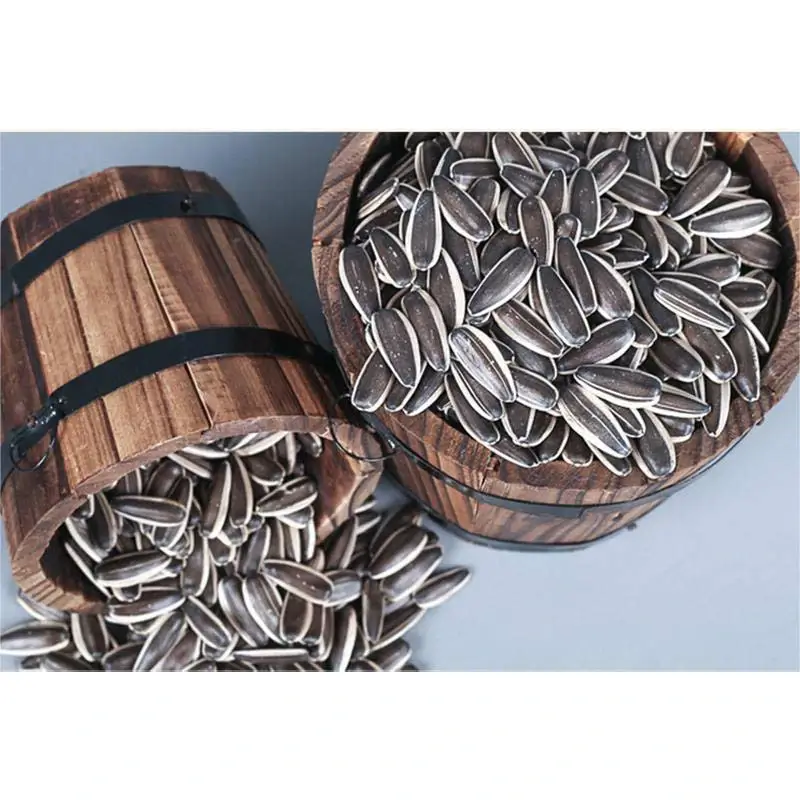
China walnut flavor sunflower seeds represent a processed snack food product within the broader sunflower seed industry. Their technical position lies at the intersection of agricultural processing, flavor chemistry, and food safety regulations. These seeds are typically produced by roasting or lightly salting sunflower seeds, followed by the application of a flavoring compound mimicking the taste and aroma of walnuts. Core performance characteristics include consistent flavor delivery, acceptable moisture content for prolonged shelf life, minimal shell fragments, and adherence to both national and international food safety standards. A significant industry pain point is maintaining consistent flavor intensity and preventing off-flavors due to lipid oxidation or improper coating application. Furthermore, controlling acrylamide formation during the roasting process and ensuring the absence of mycotoxins are crucial considerations. Product differentiation increasingly relies on the quality of the walnut flavoring, the seed’s size and cleanliness, and packaging integrity to preserve freshness.
Material Science & Manufacturing
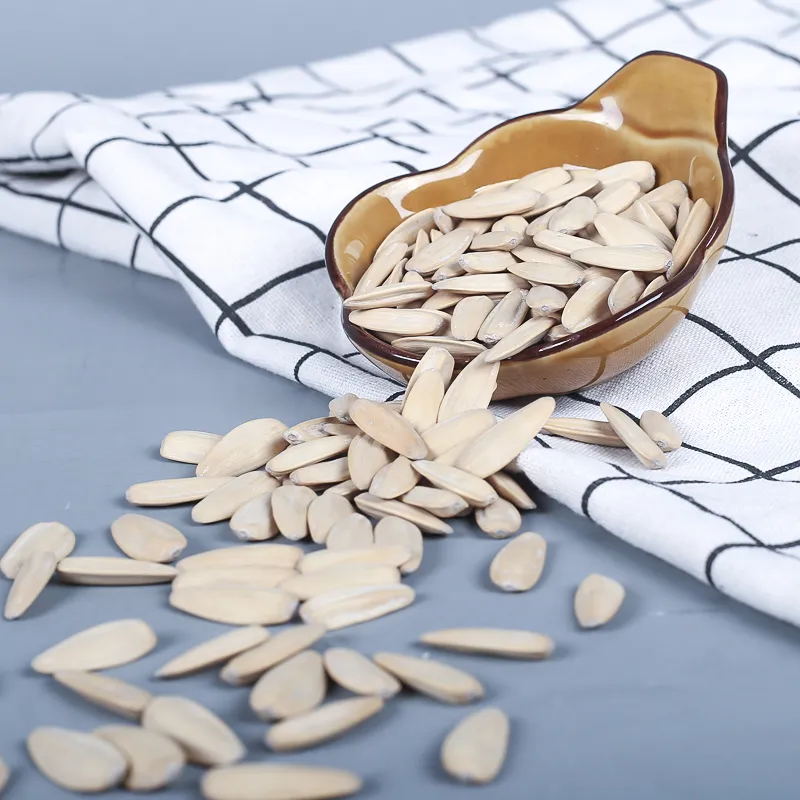
The primary raw material, sunflower seeds ( Helianthus annuus), possesses a hard, protective shell (husk) surrounding the kernel. The kernel's composition is approximately 50-60% oil, predominantly linoleic acid (a polyunsaturated fatty acid). Protein content ranges from 18-25%, with carbohydrates accounting for around 10-15%. Manufacturing begins with seed selection, cleaning, and dehulling. Dehulling efficiency directly impacts final product yield and quality. The kernels undergo roasting, typically employing hot air ovens or rotary drum roasters. Roasting temperature (120-180°C) and duration are critical parameters – higher temperatures accelerate browning and acrylamide formation, while insufficient roasting leads to a bland flavor. Following roasting, seeds are often salted to enhance taste. The walnut flavoring is a complex mixture consisting of natural and/or artificial flavor compounds, carrier agents (e.g., maltodextrin), and potentially colorants. Application methods include tumbling in a rotating drum or spraying. Uniform coating is essential for consistent flavor delivery. The chemical compatibility between the flavoring agent and the seed oil is paramount; incompatibility can lead to phase separation or rancidity. Moisture content, typically controlled to 8-12% post-flavoring, affects shelf life and textural properties. Packaging, usually employing multi-layer films (PET/PE or CPP), provides a barrier against moisture, oxygen, and light to prevent oxidation and flavor degradation.
Performance & Engineering
The structural integrity of the sunflower seed kernel dictates its resistance to cracking during processing and handling. Force analysis reveals that kernel rupture occurs when the applied stress exceeds the material’s tensile strength, which is influenced by moisture content and roasting level. Environmental resistance is primarily concerned with lipid oxidation, accelerated by oxygen, light, and elevated temperatures. The walnut flavoring’s encapsulation within a protective coating is engineered to minimize exposure to these factors. Compliance requirements are stringent, governed by food safety regulations such as those set by the FDA (USA), EFSA (Europe), and GB standards (China). These regulations encompass permissible levels of heavy metals, pesticides, mycotoxins (aflatoxins, ochratoxins), and acrylamide. The manufacturing process must adhere to Good Manufacturing Practices (GMP) to ensure product safety and consistency. Packaging design plays a crucial role in preventing moisture ingress and maintaining a modified atmosphere within the package, further enhancing shelf life. The coating formulation must exhibit adequate adhesion to the seed surface to prevent dusting and maintain a consistent flavor profile. Sensory evaluation – assessing taste, aroma, and texture – is integral to quality control and ensuring consumer acceptance.
Technical Specifications
| Parameter | Unit | Typical Value | Acceptable Range |
|---|---|---|---|
| Moisture Content | % | 9.5 | 8.0 - 12.0 |
| Oil Content | % | 52 | 48 - 56 |
| Kernel Size (Average Diameter) | mm | 10 | 8 - 12 |
| Salt Content | % | 1.2 | 0.8 - 1.6 |
| Walnut Flavor Intensity (Sensory Scale) | Score (1-10) | 7.5 | 6.5 - 8.5 |
| Acrylamide Content | µg/kg | 50 | <100 (Regulatory Limit) |
Failure Mode & Maintenance
Common failure modes include rancidity due to lipid oxidation, evidenced by an off-flavor and odor. This is accelerated by improper packaging or prolonged exposure to air and light. Shell fragments remaining in the product can pose a choking hazard and indicate inadequate dehulling. Coating delamination, resulting in inconsistent flavor delivery, can occur due to poor adhesion or moisture-induced softening of the coating. Cracked kernels, often stemming from excessive roasting temperatures or mechanical stress during handling, affect the product’s visual appeal and textural quality. Microbial contamination, particularly with molds producing mycotoxins, represents a significant safety concern. Maintenance strategies include optimizing roasting parameters to minimize acrylamide formation, implementing robust quality control procedures for dehulling, utilizing oxygen-barrier packaging materials, and maintaining strict hygiene standards throughout the manufacturing process. Regular monitoring of moisture content and oil quality is crucial for preventing rancidity. Storage conditions – cool, dry, and dark – are essential for extending shelf life. Proper inventory management (FIFO – First In, First Out) minimizes the risk of product deterioration.
Industry FAQ
Q: What is the primary concern regarding acrylamide levels in roasted sunflower seeds?
A: Acrylamide is a chemical compound formed during high-temperature cooking processes, like roasting. It’s classified as a probable human carcinogen. The primary concern is ensuring that acrylamide levels in the finished product remain below the regulatory limits established by governing bodies like the FDA and EFSA to mitigate potential health risks.
Q: How does the type of oil in sunflower seeds affect shelf life and flavor stability?
A: Sunflower seeds are high in polyunsaturated fatty acids, particularly linoleic acid, which are prone to oxidation. Oxidation leads to rancidity, resulting in off-flavors and reduced product quality. The degree of unsaturation directly correlates with susceptibility to oxidation; therefore, controlling oxidation through packaging and storage is critical.
Q: What are the critical control points for preventing mycotoxin contamination?
A: Critical control points include careful selection of raw sunflower seeds (assessing for pre-existing contamination), proper drying of seeds before storage, maintaining hygienic storage conditions to prevent mold growth, and regular testing for mycotoxins (aflatoxins, ochratoxins) throughout the supply chain.
Q: How can we ensure a consistent walnut flavor intensity across production batches?
A: Consistent flavor intensity requires precise control over the flavoring application process – maintaining consistent flavoring agent concentration, ensuring uniform coating coverage, and monitoring flavor carrier adhesion. Regular sensory evaluation and quality control checks are essential for verifying flavor delivery.
Q: What packaging materials are most effective at preserving the quality of walnut flavored sunflower seeds?
A: Multi-layer films incorporating a metallized layer (e.g., PET/Metallized PET/PE) or EVOH (ethylene vinyl alcohol) provide the best barrier properties against oxygen, moisture, and light. These materials significantly slow down lipid oxidation and preserve flavor stability, extending shelf life.
Conclusion
China walnut flavor sunflower seeds, while seemingly simple, represent a complex interplay of material science, food processing engineering, and quality control. Maintaining product integrity—from seed selection and roasting to flavoring application and packaging—is critical for delivering a safe, palatable, and shelf-stable snack product. The ongoing challenge lies in optimizing processes to minimize undesirable compounds like acrylamide while maximizing flavor retention and preventing lipid oxidation.
Future developments will likely focus on innovative coating technologies to enhance flavor encapsulation and barrier properties, as well as exploring alternative roasting methods to reduce acrylamide formation. Further research into the impact of seed genetics on oil composition and flavor development will also contribute to improving product quality and consumer appeal. Adherence to evolving food safety regulations and consumer demands for natural and clean-label ingredients will drive innovation within the industry.
