Introduction
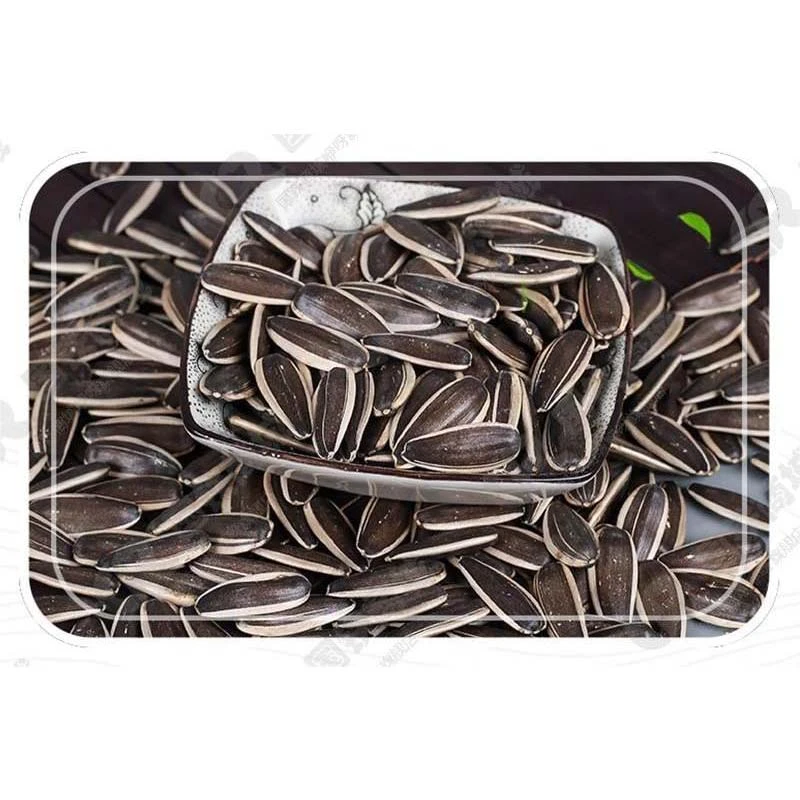
China unsalted sunflower seeds ( Helianthus annuus) represent a significant commodity within the global snack food and oilseed industries. Technically positioned as a processed agricultural product, they undergo a series of post-harvest treatments, including drying, dehulling, grading, and quality control, to reach consumable standards. These seeds are valued for their nutritional profile – high in unsaturated fats, Vitamin E, and protein – and their application extends beyond direct consumption to include use in confectionery, baking, and birdseed mixtures. Core performance characteristics center around seed size consistency, oil content percentage, moisture level, and the absence of foreign material. The industry faces challenges related to aflatoxin control, maintaining consistent kernel size for automated processing, and meeting increasingly stringent food safety regulations.
Material Science & Manufacturing
The primary raw material, sunflower seeds, exhibits inherent variability in chemical composition based on cultivar, growing conditions, and maturity stage. The seed kernel consists predominantly of lipids (40-50% by weight, primarily linoleic acid, an omega-6 fatty acid), proteins (20-25%), carbohydrates (15-20%), and fiber. The hull, or pericarp, is composed of cellulose, hemicellulose, and lignin, providing a protective outer layer. Manufacturing begins with harvesting and field drying to a moisture content of approximately 9-12%. Subsequent processing involves mechanical dehulling – a crucial step impacting yield and kernel integrity. Dehulling efficiency is affected by seed moisture content, impact force, and the design of the dehulling machinery. Seed grading utilizes sieves and air separation to classify seeds by size and remove foreign matter. A critical parameter is kernel moisture content, which must be carefully controlled to prevent rancidity and maintain optimal texture. Quality control utilizes visual inspection and laboratory analysis (oil content, moisture, free fatty acid content) to ensure product specifications are met. The drying process, typically employing forced-air systems, must be optimized to avoid thermal degradation of oils and proteins. Packaging utilizes materials providing a moisture barrier and protecting against oxidation.
Performance & Engineering
Performance assessment of unsalted sunflower seeds focuses on several key engineering considerations. Impact resistance during handling and transportation is critical to minimize kernel breakage. This requires appropriate packaging design and optimized palletization strategies. Shelf-life stability, dictated by lipid oxidation, is a major concern. Oxygen transmission rate (OTR) of packaging materials directly influences rancidity development. Engineering controls to mitigate oxidation include nitrogen flushing of packages and the addition of antioxidants (although unsalted products typically avoid these). Moisture migration analysis is essential to prevent clumping and maintain flowability. Hygroscopic properties of the seed kernel necessitate packaging with a low water vapor transmission rate (WVTR). Furthermore, the mechanical properties of the seed – specifically, its compressive strength and shear resistance – are vital for efficient processing in automated filling and packaging lines. Compliance with food safety standards, including the absence of heavy metals and pesticides, is paramount and necessitates rigorous raw material sourcing and quality control procedures. The seeds must also maintain a consistent size distribution for accurate weight dispensing during packaging.
Technical Specifications
| Parameter | Unit | Typical Value (China Export Grade) | Tolerance |
|---|---|---|---|
| Kernel Moisture Content | % (w/w) | 8.0 | ±1.0 |
| Oil Content (Dry Basis) | % (w/w) | 50.0 | ±3.0 |
| Kernel Size (Average Diameter) | mm | 8.0 | ±1.0 |
| Foreign Matter (Maximum) | % (w/w) | 0.5 | N/A |
| Broken Kernels (Maximum) | % (w/w) | 5.0 | N/A |
| Aflatoxin B1 (Maximum) | ppb | 2 | N/A |
Failure Mode & Maintenance
Failure modes for china unsalted sunflower seeds primarily relate to degradation of quality and loss of edibility. Rancidity, caused by lipid oxidation, is a common failure, manifested by an off-flavor and odor. This is accelerated by exposure to oxygen, light, and elevated temperatures. Moisture absorption can lead to clumping and microbial growth, impacting texture and safety. Kernel breakage during handling and processing reduces visual appeal and increases fines, leading to product loss. Aflatoxin contamination, a serious food safety hazard, can occur due to fungal growth during improper storage of raw materials. Physical damage to the seed coat can increase susceptibility to oxidation and microbial attack. Maintenance protocols involve strict control of storage conditions: low temperature (below 15°C), low humidity (below 60%), and protection from light. Regular monitoring of moisture content and oil quality is essential. First-In, First-Out (FIFO) inventory management minimizes storage time. Proper cleaning and sanitation of processing equipment prevent cross-contamination. Packaging materials should be inspected for integrity to ensure barrier properties are maintained. Regular aflatoxin testing of raw materials and finished products is crucial.
Industry FAQ
Q: What are the primary factors affecting the shelf life of unsalted sunflower seeds?
A: The key factors impacting shelf life are lipid oxidation, moisture content, and temperature. Lipid oxidation leads to rancidity, accelerated by oxygen exposure, light, and higher temperatures. Maintaining low moisture content prevents microbial growth and clumping. Proper packaging with good barrier properties (OTR and WVTR) and storage at cool temperatures are crucial for extending shelf life.
Q: How is aflatoxin contamination controlled during the manufacturing process?
A: Aflatoxin control begins with sourcing raw materials from regions with low aflatoxin prevalence. Incoming seeds are rigorously tested for aflatoxin levels. Proper drying and storage of raw materials minimize fungal growth. Dehulling and sorting processes remove visibly contaminated seeds. Regular monitoring of aflatoxin levels throughout the manufacturing process ensures compliance with regulatory limits.
Q: What is the significance of kernel size uniformity?
A: Kernel size uniformity is critical for efficient processing in automated filling and packaging lines. Consistent size allows for accurate weight dispensing and minimizes fines generation. It also improves the overall visual appeal of the product.
Q: What packaging materials are most effective for preserving the quality of unsalted sunflower seeds?
A: Packaging materials with low OTR and WVTR are essential. Multi-layer films incorporating aluminum foil or metallized polyester provide excellent barrier properties. Nitrogen flushing of packages further reduces oxygen levels. Resealable packaging maintains product freshness after opening.
Q: How does the growing region impact the quality of the sunflower seeds?
A: Growing region significantly influences seed composition and quality. Factors like soil type, climate, and irrigation practices affect oil content, protein levels, and susceptibility to fungal contamination. Regions with optimal growing conditions and effective agricultural practices generally yield higher-quality seeds.
Conclusion
China unsalted sunflower seeds, while seemingly simple, present a complex interplay of material science, manufacturing processes, and quality control requirements. Maintaining consistent kernel quality, mitigating oxidation, and ensuring food safety are paramount concerns for manufacturers. The technical specifications outlined above – encompassing moisture content, oil content, kernel size, and aflatoxin levels – serve as critical benchmarks for product performance and market acceptance.
Continued innovation in packaging materials and processing techniques will be vital for extending shelf life and meeting evolving consumer demands. Further research into optimizing growing conditions to minimize aflatoxin risk and enhance nutritional value remains a key area for improvement. Adherence to international standards and rigorous quality control procedures are essential for ensuring the consistent delivery of a safe and high-quality product.
