Introduction
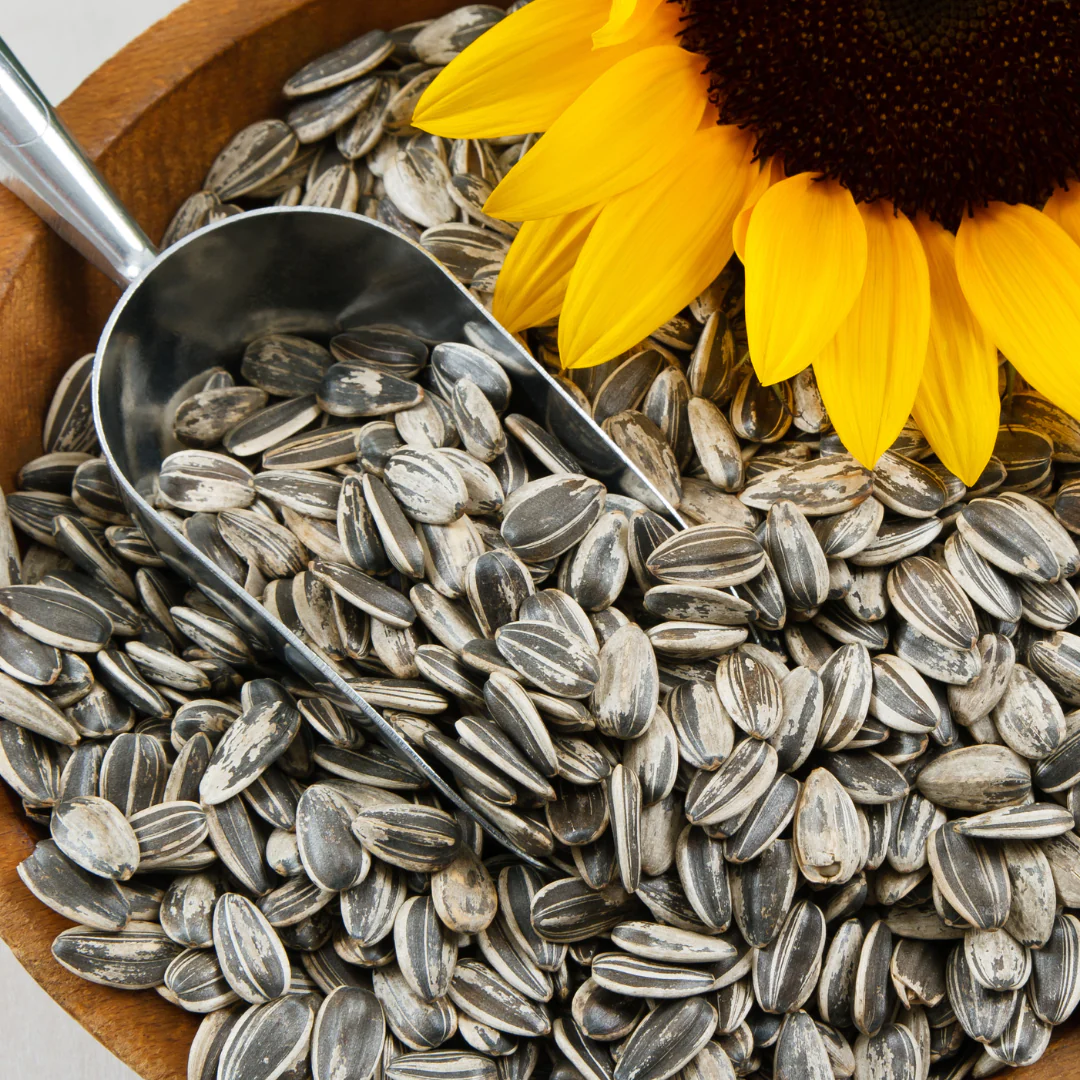
China unsalted shelled sunflower seeds represent a significant segment of the global snack food industry, functioning as both a direct consumer product and a critical ingredient in various food processing applications. Positioned within the agricultural commodity chain, these seeds undergo harvesting, processing (dehulling and cleaning), quality control, and packaging before distribution. Core performance characteristics revolve around kernel size, oil content, protein content, moisture levels, and freedom from defects, impacting both palatability and downstream processing suitability. The demand for consistent quality and traceability necessitates stringent adherence to agricultural and food safety standards. This guide provides a comprehensive technical overview of the production, properties, performance, and potential failure modes of this commodity, alongside relevant industry standards.
Material Science & Manufacturing
Sunflower seeds ( Helianthus annuus) consist of a hull (pericarp), kernel (cotyledon), and embryo. The kernel is comprised primarily of lipids (40-55%), proteins (20-25%), carbohydrates (15-20%), and fiber (5-10%). Lipid composition is crucial, dominated by linoleic acid (Omega-6) and oleic acid (Omega-9), influencing oil stability and nutritional value. Raw material selection prioritizes high-oil-content varieties with desirable fatty acid profiles.
Manufacturing involves several key stages. Harvesting occurs when seed moisture content reaches approximately 18-20%. Drying reduces moisture to 8-9% to prevent mold growth and enzymatic degradation. Dehulling is typically achieved mechanically using abrasive methods, separating the kernel from the hull. Kernel cleaning removes debris, broken kernels, and foreign matter through screening, aspiration, and gravity separation. Quality control assesses kernel size, shape, oil content (using Soxhlet extraction or NMR), and moisture content (using oven drying or near-infrared spectroscopy). Packaging utilizes moisture-barrier materials (typically multi-layer films) to maintain product freshness and prevent rancidity. Critical parameters in the process include dehulling pressure (influencing kernel damage), drying temperature (affecting protein denaturation), and cleaning efficiency (dictating product purity). Variations in these parameters directly affect the final product's sensory characteristics and shelf life.
Performance & Engineering
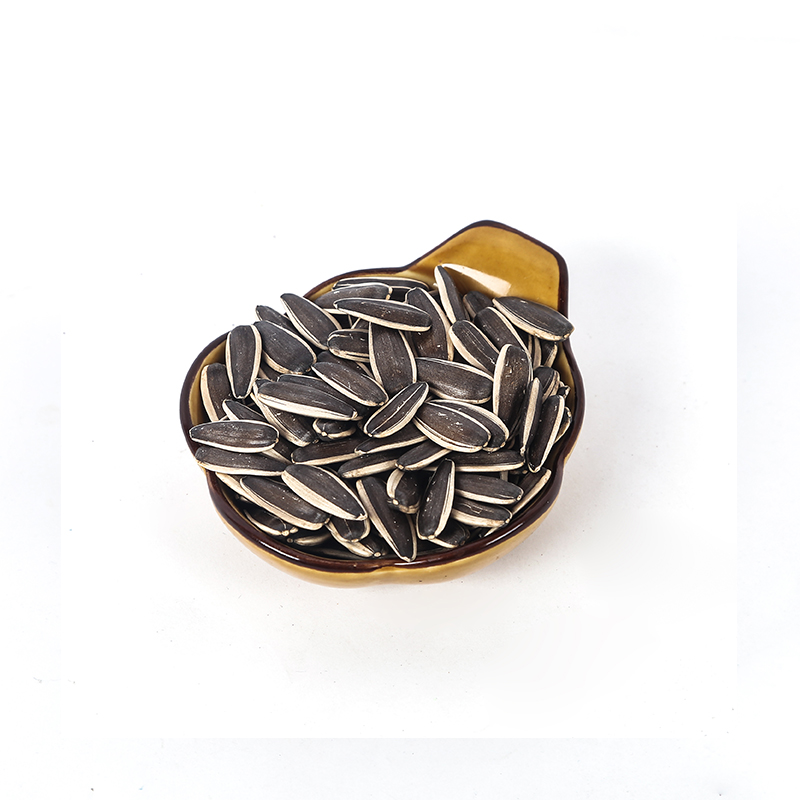
Performance assessment of china unsalted shelled sunflower seeds centers around physical integrity, oil stability, and sensory attributes. Kernel hardness, measured via compression testing, influences chewiness and breakage during handling. Oil stability is assessed through rancidity tests (Peroxide Value, Anisidine Value) which measure the degree of lipid oxidation over time. Exposure to oxygen, light, and elevated temperatures accelerate oxidation. Moisture content is a critical factor; higher moisture levels promote hydrolytic rancidity. Packaging plays a crucial role in mitigating these effects, employing barrier properties to minimize oxygen and moisture transmission.
Compliance requirements include adherence to food safety regulations (e.g., HACCP), maximum residue levels for pesticides, and permissible levels of contaminants (e.g., heavy metals, mycotoxins). Sunflower seeds intended for human consumption must meet stringent purity standards, minimizing the presence of foreign materials and adhering to specified kernel size distributions. Engineering considerations during packaging involve optimizing fill weight accuracy, minimizing headspace (to reduce oxygen exposure), and selecting packaging materials compatible with the seed's lipid content to prevent leaching or absorption of unwanted compounds. Shelf life studies, conducted under accelerated aging conditions, determine the expiration date based on sensory and chemical changes.
Technical Specifications
| Parameter | Unit | Typical Value | Acceptable Range |
|---|---|---|---|
| Kernel Moisture Content | % | 7.0 | 6.0 - 8.5 |
| Oil Content (Dry Basis) | % | 50 | 48 - 55 |
| Protein Content (Dry Basis) | % | 22 | 20 - 24 |
| Kernel Size (Average Diameter) | mm | 10 | 8 - 12 |
| Peroxide Value (Initial) | meq O2/kg | 2.0 | < 5.0 |
| Foreign Matter | % | 0.5 | < 1.0 |
Failure Mode & Maintenance
Common failure modes in china unsalted shelled sunflower seeds include rancidity (lipid oxidation leading to off-flavors and odors), kernel cracking (due to mechanical stress during processing or handling), and infestation (by insects or mold). Rancidity is the most prevalent issue, initiated by exposure to oxygen, light, and heat. Mitigation involves packaging in oxygen-barrier materials, storing in cool, dark conditions, and incorporating antioxidants (although less common in unsalted varieties). Kernel cracking reduces product quality and increases fines (broken pieces). Minimizing impact and compression during handling and processing reduces cracking. Infestation requires strict sanitation protocols throughout the supply chain, including proper drying, storage, and pest control measures. Mycotoxin contamination, particularly aflatoxins, is a significant concern requiring rigorous monitoring and adherence to maximum permissible levels. Maintenance focuses on optimizing storage conditions (temperature, humidity, ventilation) and implementing a robust quality control system to detect and remove defective seeds.
Industry FAQ
Q: What is the primary driver of rancidity in sunflower seeds, and how can it be effectively controlled without artificial preservatives?
A: The primary driver of rancidity is lipid oxidation, a chain reaction initiated by exposure to oxygen, light, and elevated temperatures. Control strategies focus on minimizing these factors. Utilizing multi-layer packaging films with high oxygen barrier properties (e.g., incorporating EVOH or metallized layers) is crucial. Maintaining low storage temperatures (below 15°C) significantly slows oxidation rates. Controlling moisture content, as water promotes hydrolytic rancidity, is also essential. Nitrogen flushing of packaging prior to sealing can further reduce oxygen levels. While Vitamin E (tocopherols) are natural antioxidants present in sunflower seeds, their concentration may not be sufficient for long-term stability without additional intervention.
Q: How does kernel size distribution impact the efficiency of subsequent processing steps, such as roasting or coating?
A: Uniform kernel size distribution is critical for consistent processing. Larger size variation leads to uneven heat transfer during roasting, resulting in some kernels being under-roasted while others are over-roasted. This impacts flavor development and texture. Similarly, during coating applications (e.g., seasoning), inconsistent kernel sizes result in uneven coating coverage. Screening or grading to achieve a narrow size range prior to further processing optimizes uniformity and reduces waste.
Q: What are the key analytical methods used to assess the quality and purity of incoming sunflower seeds?
A: Key analytical methods include moisture content determination (oven drying or near-infrared spectroscopy), oil content analysis (Soxhlet extraction or NMR), protein content analysis (Kjeldahl method), and assessment of foreign matter (visual inspection and sieving). Rancidity is assessed using Peroxide Value (PV) and Anisidine Value (AV). Mycotoxin screening (e.g., ELISA or HPLC) is critical to ensure food safety. Particle size analysis (sieving) determines kernel size distribution. Sensory evaluation is used to assess flavor and odor.
Q: What are the implications of high levels of free fatty acids (FFA) in sunflower seeds, and how are they monitored?
A: High levels of Free Fatty Acids (FFA) indicate lipid hydrolysis, often a result of improper storage or damage during processing. Elevated FFA contributes to off-flavors and reduces the overall quality and shelf life of the seeds. They are monitored using titration methods (typically with potassium hydroxide) to determine the acid value, which is directly related to FFA content. High FFA levels suggest the seeds have undergone degradation and may be unsuitable for long-term storage or certain applications.
Q: What specific packaging materials are recommended for maintaining the quality and extending the shelf life of unsalted shelled sunflower seeds?
A: Multi-layer films are highly recommended. A typical structure would include a layer of polyethylene (PE) for sealing, a layer of aluminum foil or a metallized polyester film (PET) for oxygen and light barrier, and an outer layer of polyester for strength and printability. Ethylene Vinyl Alcohol (EVOH) is also frequently incorporated as an excellent oxygen barrier. The film thickness and specific composition are tailored to the desired shelf life and storage conditions. Moisture barrier properties are also crucial, hence the inclusion of materials like oriented polypropylene (OPP).
Conclusion
China unsalted shelled sunflower seeds are a complex agricultural commodity demanding precise control over material science, manufacturing processes, and storage conditions. Maintaining product quality hinges on minimizing lipid oxidation, preventing mechanical damage, and adhering to stringent food safety standards. Understanding the interplay between kernel composition, processing parameters, packaging materials, and environmental factors is critical for maximizing shelf life and delivering a consistently high-quality product.
Future trends will likely focus on optimizing seed genetics for increased oil content and improved fatty acid profiles, as well as developing more sustainable packaging solutions with enhanced barrier properties. Furthermore, advancements in non-destructive quality assessment technologies (e.g., hyperspectral imaging) will enable more efficient and accurate quality control throughout the supply chain. Continuous monitoring of emerging regulations concerning pesticide residues and mycotoxin levels will be paramount for maintaining market access and consumer confidence.
