Introduction
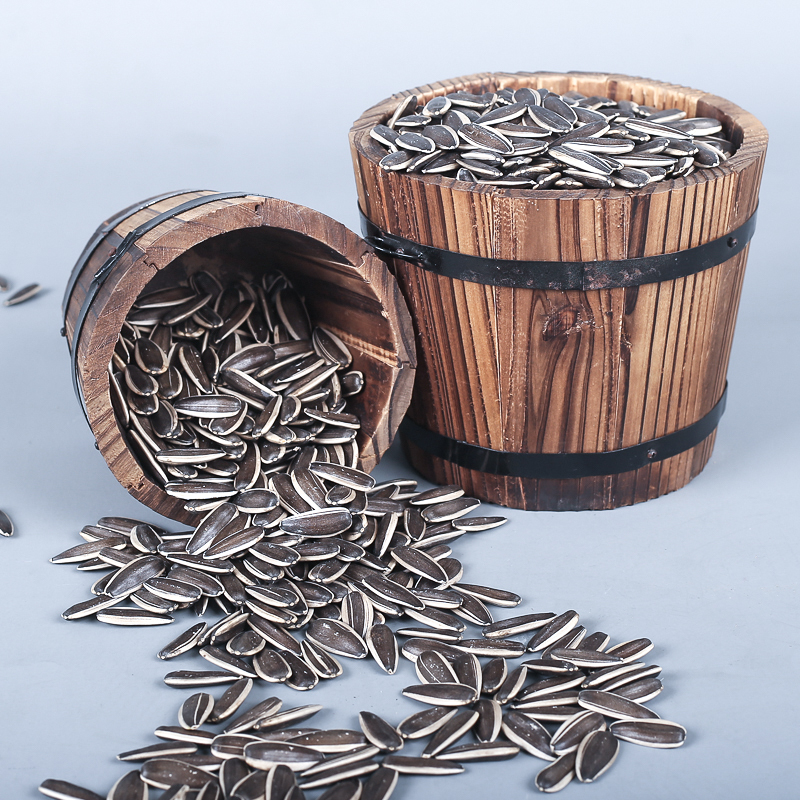
Sunflower seeds ( Helianthus annuus) represent a globally significant oilseed crop, with China emerging as a leading producer and exporter of diverse varieties. These seeds are categorized broadly into oilseed (high-oil content) and confectionary (non-oilseed) types, each serving distinct market segments. China’s sunflower seed industry is characterized by regional specialization; the northeast produces predominantly oilseed varieties, while the north-central plains prioritize confectionary types. This guide provides a comprehensive technical overview of Chinese sunflower seed varieties, focusing on their agronomic characteristics, compositional analysis, processing considerations, quality control parameters, and potential failure modes. The industry faces core challenges concerning seed viability, oil quality consistency, mycotoxin contamination risk, and adherence to increasingly stringent international food safety standards. Understanding these aspects is crucial for procurement managers, agricultural engineers, and food processing professionals engaged in the global sunflower seed supply chain.
Material Science & Manufacturing
Sunflower seed composition varies significantly based on genotype, growing conditions, and maturity stage. The primary constituents are oil (38-58% by weight for oilseed types, 20-30% for confectionary), protein (15-25%), carbohydrates (15-20%), and fiber (5-10%). Oil composition predominantly consists of linoleic acid (around 60-75%), oleic acid (10-30%), and palmitic acid (around 4-8%). Confectionary seeds have higher protein and carbohydrate content. Manufacturing begins with seed selection, followed by cleaning and grading. Hulling is a critical step, impacting seed appearance and oil yield. Hulling efficiency is determined by seed moisture content (optimal range 8-10%) and impact velocity. Modern hulling utilizes centrifugal or impact hullers. Oil extraction typically involves solvent extraction (hexane) after pre-pressing, while confectionary seeds undergo heat treatment (roasting or steaming) for flavor development and increased shelf life. Roasting parameters (temperature, time, humidity) dramatically affect oil oxidation and flavor profile. The manufacturing process necessitates strict control of moisture content to prevent fungal growth and mycotoxin production (aflatoxins, ochratoxins). Seed coatings, often polysaccharide-based, are applied to improve handling, prevent breakage, and enhance visual appeal. The raw material, specifically the sunflower head, requires careful harvesting and drying procedures to minimize seed damage and maintain quality.
Performance & Engineering
Sunflower seed performance is assessed through several key parameters. Germination rate, crucial for seed quality and subsequent crop yield, is influenced by seed viability (determined by tetrazolium testing) and seed coating integrity. Oil quality is defined by fatty acid profile (determined by gas chromatography), peroxide value (measuring oxidative rancidity), and iodine value (indicating unsaturation). Confectionary seeds require consistent kernel size and shape, evaluated through sieve analysis and image processing. Mechanical properties, such as shell strength (assessed via compression testing) and kernel hardness (measured using a penetrometer), impact hulling efficiency and breakage rates. Storage stability is a major engineering concern. Sunflower oil is prone to oxidation, necessitating packaging in dark, airtight containers with antioxidants (e.g., vitamin E). Seed storage facilities require controlled temperature (below 15°C) and humidity (below 65%) to prevent lipid peroxidation and microbial growth. Compliance with international food safety regulations (e.g., EU regulations on aflatoxins) requires implementing Hazard Analysis and Critical Control Points (HACCP) plans throughout the entire processing chain. The engineering design of processing equipment (hullers, roasters, extractors) must minimize seed damage and optimize yield while maintaining hygienic standards.
Technical Specifications
| Parameter | Oilseed Type (Typical Range) | Confectionary Type (Typical Range) | Testing Method |
|---|---|---|---|
| Oil Content (%) | 48-58 | 20-30 | Soxhlet Extraction (AOAC) |
| Protein Content (%) | 18-22 | 22-28 | Kjeldahl Method (AOAC) |
| Linoleic Acid (%) | 60-70 | 50-65 | Gas Chromatography (GC-FID) |
| Oleic Acid (%) | 15-25 | 20-30 | Gas Chromatography (GC-FID) |
| Moisture Content (%) | < 10 | < 10 | Oven Drying (AOAC) |
| Aflatoxin B1 (ppb) | < 5 | < 5 | ELISA (Enzyme-Linked Immunosorbent Assay) |
Failure Mode & Maintenance
Sunflower seeds are susceptible to several failure modes. Biological Degradation: Fungal growth leading to mycotoxin contamination is a primary concern, particularly aflatoxins. This is exacerbated by improper drying and storage. Mechanical Damage: Cracking and breakage during hulling and handling reduce quality and increase processing losses. This is linked to improper machine settings and seed moisture content. Oxidative Rancidity: Exposure to oxygen, light, and elevated temperatures causes lipid peroxidation, resulting in off-flavors and reduced nutritional value. This is prevalent in oilseed varieties. Insect Infestation: Stored seeds are vulnerable to insect damage, leading to weight loss and contamination. Genetic Degradation: Over time, seeds can lose viability due to genetic drift and degradation of DNA. Maintenance strategies include implementing robust cleaning and grading procedures, controlling storage conditions (temperature, humidity, ventilation), regular inspection for insect activity, and employing appropriate packaging materials (airtight, opaque). Preventative maintenance on processing equipment (hullers, roasters) is crucial to minimize seed damage. Seed treatments with fungicides can mitigate fungal growth. Regular laboratory testing for mycotoxins and oil quality parameters is essential for quality control. Properly designed storage facilities with pest control measures are paramount for long-term seed preservation.
Industry FAQ
Q: What is the impact of seed maturity on oil content and quality?
A: Later maturity generally correlates with higher oil content, but this can also lead to increased susceptibility to pre-harvest sprouting and reduced protein content. Oil quality, particularly the linoleic/oleic acid ratio, is also influenced by maturity stage. Early harvested seeds tend to have higher oleic acid content, desirable for heat stability.
Q: How do different hulling methods affect kernel damage and oil yield?
A: Centrifugal hulling is generally gentler than impact hulling, resulting in lower kernel damage but potentially lower hulling efficiency. Impact hulling is faster but carries a higher risk of breakage. Optimizing huller speed and adjusting the gap between rollers are critical parameters for minimizing damage.
Q: What are the critical control points for preventing aflatoxin contamination in sunflower seeds?
A: The critical control points are pre-harvest (managing insect pests and drought stress), harvest (avoiding delays and seed damage), post-harvest drying (rapidly reducing moisture content to below 10%), storage (maintaining cool, dry conditions), and sorting (removing visibly damaged kernels).
Q: How does the roasting process affect the flavor profile and shelf life of confectionary sunflower seeds?
A: Roasting develops characteristic nutty flavors through Maillard reactions and caramelization. However, excessive roasting can lead to oil oxidation and off-flavors. Controlling temperature, time, and humidity during roasting is essential for achieving desired flavor and maximizing shelf life. Nitrogen flushing of the roasting chamber can minimize oxidation.
Q: What analytical methods are used to determine the authenticity and traceability of sunflower seeds?
A: Stable isotope ratio analysis (SIRA) can be used to verify the geographical origin of sunflower seeds. Fatty acid profiling and genetic marker analysis can confirm varietal authenticity. Blockchain technology can be implemented to enhance traceability throughout the supply chain.
Conclusion
Chinese sunflower seed production exhibits significant diversity, catering to both oil and confectionary markets. Maintaining consistent quality and safety requires meticulous attention to material science principles throughout the entire value chain, from seed selection and agricultural practices to processing, storage, and quality control. Understanding the interplay between seed composition, manufacturing parameters, and environmental factors is vital for optimizing yield, minimizing losses, and ensuring compliance with stringent international standards.
Future advancements in sunflower seed technology will likely focus on developing varieties with improved oil quality (higher oleic acid content), enhanced disease resistance, and increased drought tolerance. Implementing precision agriculture techniques and optimizing storage logistics will be crucial for addressing the growing global demand for sustainable and high-quality sunflower seeds. Continuous monitoring of emerging mycotoxin threats and advancements in analytical methods are also paramount.
