Introduction
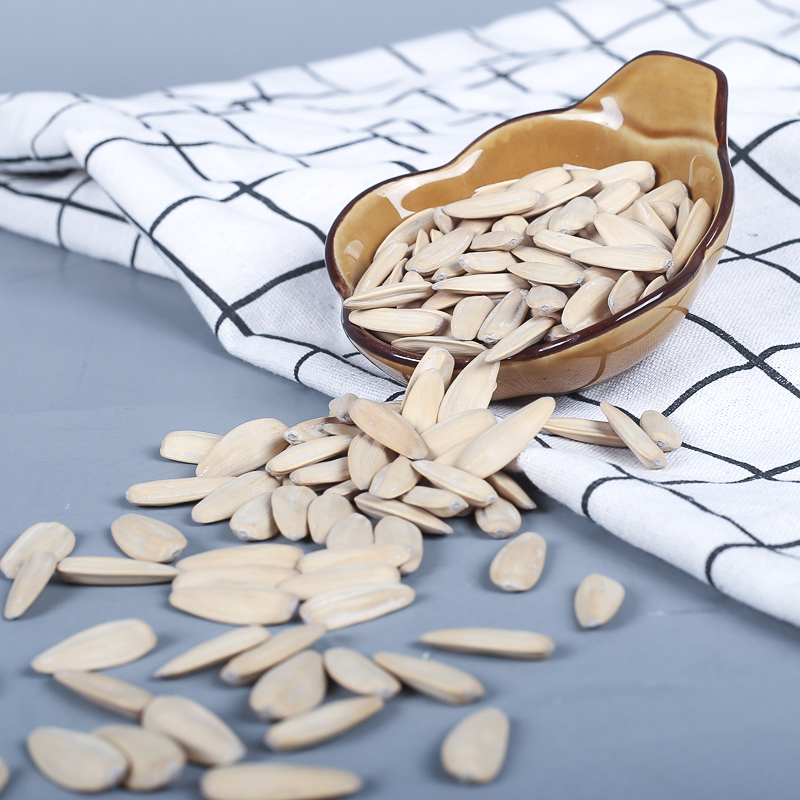
China types of melon seeds represent a significant agricultural product within the Cucurbitaceae family, primarily Cucumis melo. These seeds serve not only as the reproductive material for melon cultivation but also as a valued food source and ingredient in traditional Chinese medicine. Their technical position lies within the agricultural supply chain, bridging the gap between seed breeding/production and horticultural practices. Core performance characteristics are defined by germination rate, seed vigor, oil content (important for food applications), protein content, and genetic purity. The diversity of Chinese melon seed types reflects centuries of selective breeding tailored to specific regional climates and consumer preferences, demanding precise quality control and traceability throughout the production process. A key industry pain point is maintaining genetic stability and resistance to emerging seed-borne diseases, impacting yield and requiring constant innovation in breeding programs.
Material Science & Manufacturing
The primary material science considerations for China types of melon seeds revolve around the seed coat (testa) composition and the endosperm's biochemical profile. The testa comprises primarily cellulose, hemicellulose, and lignin, providing physical protection. Its thickness and permeability influence water uptake during germination. The endosperm is rich in lipids (30-50% by weight, varying by cultivar), proteins (20-30%), carbohydrates, and micronutrients. Manufacturing processes begin with controlled pollination to ensure genetic purity. Seeds are harvested at physiological maturity, dried to a specific moisture content (typically 8-10%) to prevent fungal growth and maintain viability. Drying parameters (temperature, airflow, duration) are critical; excessive heat can damage embryo proteins and reduce germination rates. Cleaning and grading are then performed, removing debris and separating seeds based on size and weight using sieving and air separation techniques. Seed treatment with fungicides and insecticides is common, requiring adherence to strict residue limits. Parameter control focuses on maintaining optimal moisture levels during drying, ensuring uniform seed size for consistent planting depth, and applying appropriate seed treatments without compromising seed viability. Storage conditions (temperature, humidity, oxygen levels) are crucial for long-term seed viability; controlled atmosphere storage is often employed for breeder seeds.
Performance & Engineering
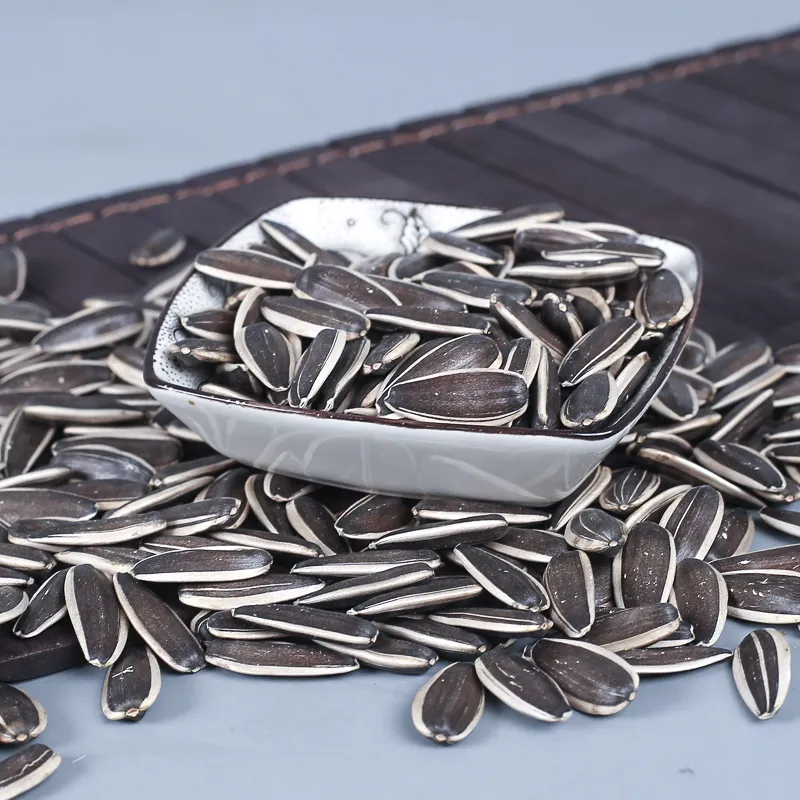
Performance evaluation of China types of melon seeds centers on germination rate, seedling vigor, and oil quality. Germination rate is typically assessed under controlled laboratory conditions (temperature, humidity, light) adhering to standards like ISTA (International Seed Testing Association) rules. Seedling vigor is evaluated by measuring root and shoot length, dry weight, and resistance to stress conditions (e.g., salinity, drought). For seeds destined for oil extraction, the fatty acid profile is crucial; parameters include the levels of oleic, linoleic, and palmitic acids, influencing oil stability and nutritional value. Engineering aspects relate to packaging and storage to minimize degradation. Barrier properties of packaging materials (moisture vapor transmission rate, oxygen transmission rate) directly impact seed viability. Force analysis concerns the impact strength of seed handling equipment during processing. Environmental resistance assessment includes testing seed tolerance to temperature fluctuations, humidity variations, and UV radiation. Compliance requirements mandate adherence to national seed laws regarding germination standards, seed purity, and labeling regulations. The stress-strain relationship of the seed coat is important in determining resistance to mechanical damage during handling and processing.
Technical Specifications
| Seed Variety | Germination Rate (%) | Oil Content (%) | Protein Content (%) |
|---|---|---|---|
| Hami Melon (Cucumis melo var. saccharinus) | 95-98 | 45-50 | 25-28 |
| Xinjiang Melon (Cucumis melo var. reticulatus) | 92-96 | 38-42 | 22-26 |
| BaiLuo Melon (Cucumis melo var. inodorus) | 90-94 | 35-40 | 20-24 |
| Huanghe Melon (Cucumis melo var. lantang) | 88-92 | 40-45 | 24-28 |
| Nangao Melon (Cucumis melo var. momordica) | 93-97 | 32-36 | 18-22 |
| Tieguanyin Melon (Cucumis melo var. convar. makuwa) | 85-90 | 30-35 | 16-20 |
Failure Mode & Maintenance
Failure modes for China types of melon seeds can be categorized as pre-planting (affecting germination) and post-planting (affecting seedling establishment). Common pre-planting failures include mechanical damage during handling (cracking, chipping) leading to reduced germination; physiological deterioration due to improper storage (high temperature, humidity, oxygen exposure) resulting in reduced seed vigor; and infection by seed-borne pathogens (e.g., Fusarium, Alternaria) causing seedling damping-off. Post-planting failures involve poor germination due to unfavorable soil conditions (e.g., salinity, compaction), insufficient moisture, or temperature stress; seedling vulnerability to insect pests and diseases; and genetic factors impacting seedling vigor. Failure analysis involves assessing seed viability through tetrazolium testing, evaluating seed coat integrity under microscopy, identifying fungal pathogens through plating and microscopic examination, and analyzing oil composition for rancidity. Maintenance strategies focus on optimizing storage conditions (cool, dry, low oxygen environment); implementing rigorous seed health testing and treatment protocols; employing gentle handling techniques during processing; and selecting cultivars adapted to local growing conditions. Regular monitoring of seed storage facilities for temperature and humidity fluctuations is crucial.
Industry FAQ
Q: What is the acceptable range for seed moisture content during storage, and why is it critical?
A: The acceptable range for seed moisture content during long-term storage is typically 8-10%. Above this level, enzymatic activity increases, leading to seed deterioration, reduced germination rates, and increased susceptibility to fungal growth. Below this level, seed viability can be compromised due to desiccation damage. Maintaining this range is critical for preserving seed longevity and ensuring consistent germination performance.
Q: How do different seed treatments impact shelf life and seedling health?
A: Seed treatments, such as fungicide and insecticide applications, can extend shelf life by protecting seeds from fungal and insect attack during storage. However, some treatments can negatively impact germination or seedling vigor if not applied correctly or if the dosage is excessive. Biopriming with beneficial microorganisms can also enhance germination and seedling establishment by improving nutrient uptake and promoting root development.
Q: What analytical methods are used to determine seed purity and genetic identity?
A: Seed purity is assessed through visual examination to identify off-types and weed seeds. Genetic identity is determined using molecular markers, such as SSR (Simple Sequence Repeat) or SNP (Single Nucleotide Polymorphism) analysis, to confirm varietal authenticity. These methods are crucial for ensuring that farmers receive seeds of the correct variety and quality.
Q: What are the key considerations when selecting packaging materials for long-term seed storage?
A: The key considerations are moisture vapor transmission rate (MVTR), oxygen transmission rate (OTR), and light permeability. Packaging materials should have low MVTR and OTR to prevent seed moisture uptake and oxidation. They should also be opaque to protect seeds from UV radiation. Materials like aluminum foil laminates and high-density polyethylene (HDPE) are commonly used.
Q: How does temperature fluctuation impact seed viability during storage, and what are the recommended storage temperatures?
A: Temperature fluctuations accelerate seed aging processes, reducing viability over time. Each degree Celsius above the optimal storage temperature significantly shortens seed longevity. Recommended storage temperatures are typically between 0-4°C for long-term conservation and 10-15°C for medium-term storage. Maintaining consistent temperatures is paramount.
Conclusion
China types of melon seeds represent a complex intersection of agricultural science, material properties, and engineering principles. Maintaining high germination rates, genetic purity, and long-term viability requires meticulous attention to detail throughout the entire production and storage chain. The core technical challenges lie in mitigating seed deterioration, controlling seed-borne diseases, and adapting to changing environmental conditions.
Future advancements will likely focus on developing novel seed coatings with enhanced protective properties, employing advanced breeding techniques to improve stress tolerance, and implementing precision agriculture technologies for optimized seed management. Continued research into seed physiology and storage optimization will be essential for ensuring a sustainable supply of high-quality melon seeds for both domestic consumption and international export.
