Introduction
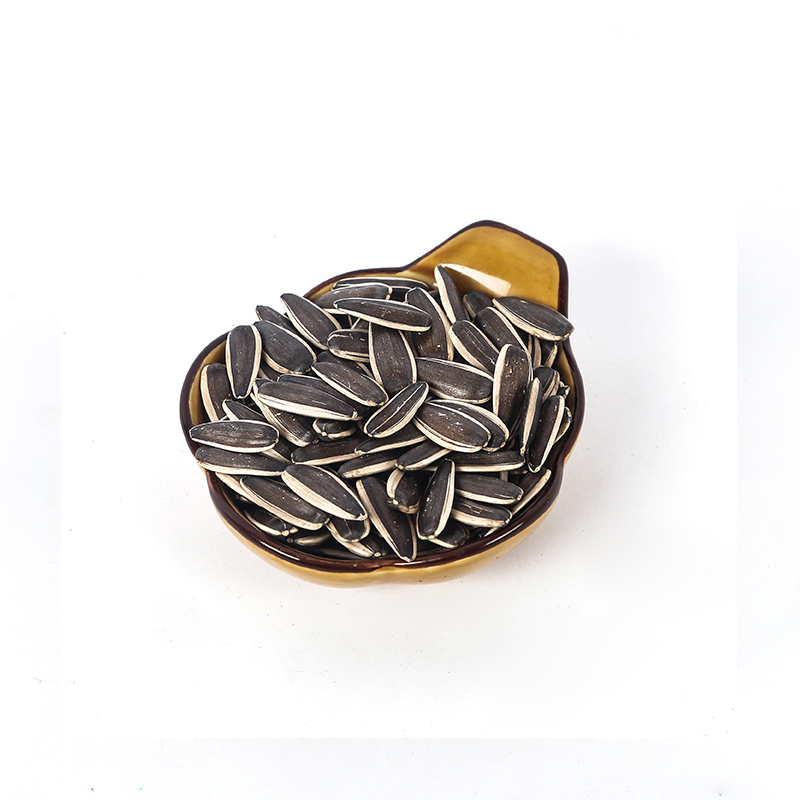
Toasted sunflower seeds, a popular snack and ingredient globally, represent a significant portion of the processed seed market. China is a leading producer and exporter of these seeds, with a substantial industry focused on both conventional and specialized processing techniques. This technical guide details the intricacies of Chinese toasted sunflower seed production, encompassing raw material characteristics, manufacturing processes, quality control parameters, potential failure modes, and applicable industry standards. The core performance characteristics center on maintaining optimal moisture content, achieving consistent roasting profiles, minimizing acrylamide formation, and preserving nutritional value. A key industry pain point lies in controlling variability in raw material quality (seed size, oil content, and inherent contaminants) and consistently delivering a product meeting stringent international food safety regulations. This guide provides a comprehensive overview intended for procurement managers, quality control engineers, and food technologists involved in the sourcing, processing, and quality assurance of this product.
Material Science & Manufacturing
The primary raw material, Helianthus annuus (sunflower seed), consists of approximately 30-50% oil, 20-30% protein, and 20-30% carbohydrate, with smaller percentages of fiber, ash, and other micronutrients. Kernel size and oil content are critical parameters influencing processing efficiency and final product quality. The manufacturing process typically involves several stages: cleaning and de-hulling to remove outer shells; grading based on kernel size; pre-heating to optimize moisture content for roasting; roasting using either drum, fluid bed, or microwave technology; seasoning with salt or other flavorings; and finally, cooling and packaging. Drum roasting is a common method, relying on conductive heat transfer, requiring precise temperature and drum speed control to ensure uniform roasting and prevent scorching. Fluid bed roasting utilizes hot air, offering more consistent temperature distribution but potentially leading to uneven roasting if airflow is not properly calibrated. Microwave roasting is gaining traction due to its rapid heating and reduced oil absorption but requires careful monitoring to avoid localized overheating. Critical parameters during roasting include temperature (120-160°C typically), roasting time (15-30 minutes), and moisture content (reduced to 2-4%). The selection of roasting parameters influences the Maillard reaction, responsible for flavor development, and the formation of potentially harmful compounds like acrylamide. Chemical compatibility concerns focus on minimizing migration of substances from packaging materials into the seeds, necessitating the use of food-grade packaging with appropriate barrier properties.

Performance & Engineering
Performance is assessed through several engineering considerations. Shear force analysis is used to determine the optimal roasting level – seeds should exhibit a slight fracture when sheared, indicating a desirable crispness. Environmental resistance relates primarily to moisture barrier properties of packaging to prevent re-absorption of humidity, leading to staleness and potential microbial growth. Compliance requirements are extensive, revolving around food safety regulations such as those established by the FDA (US Food and Drug Administration) and EFSA (European Food Safety Authority). These regulations cover acceptable levels of contaminants (heavy metals, pesticides), acrylamide levels, and microbiological safety. Aflatoxin contamination is a significant concern, requiring rigorous testing and adherence to stringent handling procedures throughout the supply chain. Packaging material selection impacts product shelf life; high barrier films (e.g., multilayer polypropylene or polyethylene structures with aluminum foil layers) are crucial for maintaining product freshness and preventing oxidation. The engineering of the roasting process itself involves thermal analysis and computational fluid dynamics (CFD) modeling to optimize heat transfer and ensure uniform roasting. Force analysis of packaging during transport and storage is also important to prevent damage and maintain product integrity. Packaging must withstand compression, vibration, and temperature fluctuations.
Technical Specifications
| Parameter | Unit | Typical Value | Acceptable Range |
|---|---|---|---|
| Moisture Content | % | 2.5 | 2.0 - 4.0 |
| Oil Content | % | 45 | 40 - 50 |
| Acrylamide Level | µg/kg | 80 | < 150 (EU Regulation) |
| Aflatoxin B1 | µg/kg | <2 | <10 (US FDA) |
| Kernel Size (Average Diameter) | mm | 10 | 8 - 12 |
| Peroxide Value | meq O2/kg | 3.0 | < 5.0 (Indicates Rancidity) |
Failure Mode & Maintenance
Common failure modes include rancidity due to lipid oxidation, evidenced by an off-flavor and increased peroxide value. This is exacerbated by exposure to oxygen, light, and elevated temperatures. Another failure mode is moisture re-absorption, leading to a loss of crispness and potential microbial growth. Packaging failure (seal integrity, puncture) can accelerate these processes. Kernel cracking during processing or transportation can occur due to improper handling or insufficient cushioning. Acrylamide formation, though not a visible failure, is a critical quality concern, requiring precise control of roasting parameters. Color degradation (loss of golden-brown hue) can indicate improper roasting or storage. Maintenance practices focus on regular cleaning and sanitation of processing equipment to prevent microbial contamination. Temperature calibration of roasting equipment is essential for consistent product quality. Proper storage of raw materials and finished products in cool, dry, and dark conditions is crucial for minimizing degradation. Regular monitoring of peroxide value, moisture content, and aflatoxin levels is vital for quality control. Implementing a robust traceability system is necessary to identify and address any quality issues quickly. Preventative maintenance schedules for roasting drums and fluid bed systems are key to avoiding mechanical failures.
Industry FAQ
Q: What are the primary factors influencing acrylamide formation during roasting?
A: Acrylamide formation is primarily influenced by roasting temperature, time, and moisture content. Higher temperatures and longer roasting times generally lead to increased acrylamide levels. Reducing the available moisture content and optimizing roasting profiles to minimize the Maillard reaction can effectively mitigate acrylamide formation. The use of asparaginase enzymes as a pre-treatment is also being explored.
Q: How is aflatoxin contamination controlled throughout the supply chain?
A: Control begins with sourcing seeds from reputable suppliers with established quality control programs. Regular testing of raw materials and finished products for aflatoxin B1 is mandatory, utilizing methods like HPLC. Proper drying and storage of seeds are crucial to prevent mold growth, the primary source of aflatoxin. Strict adherence to Good Manufacturing Practices (GMP) throughout the processing facility is essential.
Q: What packaging materials are recommended to maximize shelf life and prevent rancidity?
A: High barrier films, such as multilayer polypropylene or polyethylene structures incorporating aluminum foil layers, are recommended. These materials provide excellent protection against oxygen, moisture, and light, significantly slowing down lipid oxidation and preserving product freshness. Modified atmosphere packaging (MAP) with nitrogen flushing can further extend shelf life.
Q: What is the significance of kernel size grading in the manufacturing process?
A: Kernel size grading ensures uniformity in roasting. Variations in size can lead to uneven roasting, resulting in some kernels being under-roasted and others over-roasted. Consistent kernel size optimizes heat transfer and ensures a more uniform final product.
Q: What quality control tests are essential for ensuring product compliance with international food safety standards?
A: Essential tests include moisture content analysis, oil content determination, acrylamide testing, aflatoxin B1 analysis, peroxide value measurement, microbiological testing (for pathogens and spoilage organisms), and heavy metal analysis. Regular audits and certifications (e.g., ISO 22000, HACCP) are also crucial for demonstrating compliance.
Conclusion
The production of high-quality toasted sunflower seeds requires meticulous attention to detail throughout the entire process, from raw material sourcing to packaging and storage. Understanding the material science of sunflower seeds, mastering roasting techniques, and implementing rigorous quality control measures are essential for consistently delivering a safe, palatable, and shelf-stable product. Addressing the industry pain points of raw material variability and stringent regulatory compliance is paramount for success in the global market.
Future advancements may focus on optimizing roasting processes through advanced control systems and exploring novel packaging materials with enhanced barrier properties. Continued research into methods for minimizing acrylamide formation and improving aflatoxin control remains a priority. The integration of blockchain technology for enhanced traceability and supply chain transparency is also a promising development for building consumer trust and ensuring product integrity.
