Introduction
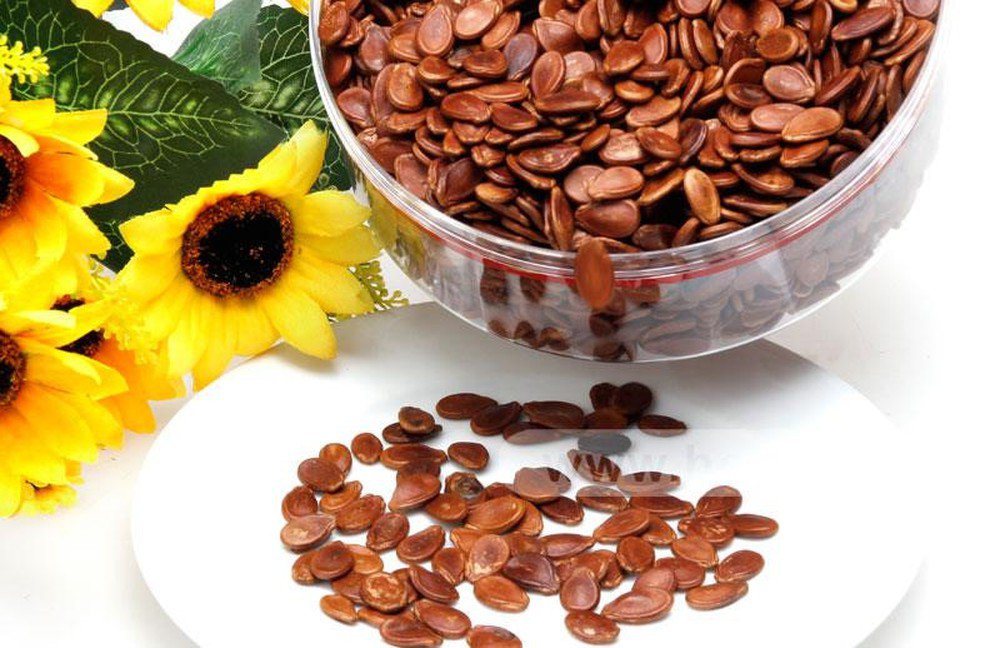
China the melon seed, specifically referring to Cucurbita pepo varieties cultivated and processed within China for seed consumption, represents a significant segment of the snack food industry. While often considered a simple product, its production involves a complex agricultural and post-harvest processing chain. This guide details the technical aspects of china the melon seed, encompassing seed morphology, processing methodologies, quality control, common defects, and relevant industry standards. The position within the supply chain begins with agricultural cultivation, followed by harvesting, drying, kernel extraction, seasoning/flavoring, sorting, packaging and finally, distribution. Core performance characteristics revolve around seed size, kernel yield, oil content, moisture content, and absence of aflatoxins and other contaminants. These parameters directly impact consumer acceptance, nutritional value, and shelf life. The growing demand for convenient, healthy snacks necessitates stringent quality control and advanced processing techniques to meet both domestic and international regulations.
Material Science & Manufacturing
The primary raw material, Cucurbita pepo seeds, exhibit a complex chemical composition. Approximately 49-55% of the seed dry weight consists of oil, predominantly linoleic acid (50-70%), oleic acid (20-40%), and palmitic acid (10-20%). Protein content ranges from 25-30%, composed of various amino acids. Carbohydrates constitute roughly 10-15%, primarily as fiber. The seed coat comprises cellulose, hemicellulose, and lignin, providing physical protection. Manufacturing begins with harvesting mature melons. Seeds are then mechanically extracted and washed. The critical step is drying, typically employing hot air ovens at temperatures between 35-45°C to reduce moisture content to 7-9%. Inadequate drying leads to fungal growth and aflatoxin contamination. Kernel extraction involves mechanical dehulling and kernel splitting. Parameter control is paramount; drying temperature and duration directly impact oil quality (preventing rancidity), while dehulling force affects kernel breakage. Seasoning, often involving salt, spices, and flavor enhancers, requires precise dosage control to ensure uniformity. Packaging materials must provide a moisture and oxygen barrier to maintain freshness. Quality grading relies on seed size (sieving), kernel fullness, and defect identification (visual inspection and near-infrared spectroscopy).
Performance & Engineering
Performance analysis of china the melon seed centers around seed/kernel mechanical properties and stability during processing and storage. Force analysis during dehulling determines optimal machinery settings to minimize kernel damage. Shear force testing quantifies the brittleness of the kernel, impacting breakage rates. Environmental resistance, particularly to moisture, is critical. High humidity leads to moisture absorption, promoting lipid oxidation and aflatoxin production. Packaging materials are engineered to provide a barrier against water vapor transmission (WVTR) and oxygen transmission rate (OTR). Compliance requirements include adherence to national food safety standards (GB standards in China, FDA regulations for export markets). Functional implementation considerations include optimizing drying kinetics to minimize energy consumption and developing automated sorting systems based on computer vision to improve efficiency and accuracy. Aflatoxin mitigation strategies, including pre-harvest fungicide application (under strict regulation) and post-harvest sorting, are crucial for ensuring product safety. The seed coat's tensile strength determines its resistance to cracking during processing, influencing kernel integrity and visual appeal.
Technical Specifications
| Parameter | Unit | Typical Range (China Standard - GB/T 17148-2010) | Impact on Quality |
|---|---|---|---|
| Moisture Content | % | ≤ 7.0 | Affects shelf life, microbial growth, and aflatoxin production. |
| Oil Content | % (Dry Basis) | ≥ 49.0 | Determines nutritional value and flavor. |
| Kernel Yield | % | ≥ 65.0 | Indicates processing efficiency and seed quality. |
| Aflatoxin B1 | µg/kg | ≤ 2.0 | Critical food safety parameter; regulated by international standards. |
| Broken Kernel Rate | % | ≤ 5.0 | Impacts visual appeal and processing efficiency. |
| Foreign Matter | % | ≤ 0.5 | Indicates cleanliness and processing hygiene. |
Failure Mode & Maintenance
Failure modes in china the melon seed processing and storage are multifaceted. Rancidity, caused by lipid oxidation, is a common issue, accelerated by high temperatures and exposure to oxygen. This manifests as an off-flavor and reduced nutritional value. Microbial spoilage, particularly fungal growth (e.g., Aspergillus flavus), leads to aflatoxin contamination, a serious health hazard. Kernel cracking during dehulling or seasoning impacts visual appeal and processing efficiency. Moisture absorption during storage causes caking and promotes microbial growth. Degradation of seasoning compounds leads to flavor loss. Maintenance strategies include regular cleaning and sanitation of processing equipment to prevent microbial contamination. Proper storage conditions – cool, dry, and dark – are essential to minimize rancidity and microbial growth. Preventative maintenance on dehulling and sorting machinery reduces mechanical failures and kernel damage. Routine monitoring of moisture content and aflatoxin levels is critical. Implementation of a robust Hazard Analysis and Critical Control Points (HACCP) plan is essential for ensuring food safety. Regular calibration of instrumentation (moisture meters, analytical balances) maintains accurate measurements and process control.
Industry FAQ
Q: What are the primary factors contributing to aflatoxin contamination in china the melon seed?
A: Aflatoxin contamination is primarily driven by Aspergillus flavus and Aspergillus parasiticus fungal growth. This growth is favored by high moisture content, warm temperatures, and physical damage to the seed. Poor drying practices, inadequate storage conditions, and insect damage all contribute to increased risk. Pre-harvest stress on the plant can also increase susceptibility.
Q: How does seed size impact the overall processing efficiency and final product quality?
A: Seed size influences the efficiency of dehulling and sorting operations. Larger seeds generally yield a higher kernel weight, but can also be more prone to cracking during processing. Consistent seed size facilitates more accurate sorting and grading. Small seed sizes can lead to higher kernel breakage and lower yields.
Q: What methods are employed to assess the oil quality and stability of china the melon seed?
A: Oil quality is assessed through parameters such as peroxide value, acid value, and iodine value, indicating the level of oxidation and degradation. Gas chromatography-mass spectrometry (GC-MS) is used to determine the fatty acid profile. Stability is evaluated through accelerated shelf-life testing under controlled temperature and humidity conditions. Rancidity is assessed through sensory evaluation.
Q: What packaging materials are best suited for maintaining the freshness and extending the shelf life of processed china the melon seed?
A: Packaging materials with low OTR and WVTR are crucial. Multi-layer films consisting of polyethylene terephthalate (PET), aluminum foil, and polyethylene (PE) provide an excellent barrier against oxygen and moisture. Modified atmosphere packaging (MAP), using nitrogen flushing to reduce oxygen levels, further enhances shelf life. Vacuum packaging is also an effective option.
Q: What are the key differences between traditional and modern china the melon seed processing techniques?
A: Traditional methods relied heavily on manual labor for sorting and dehulling. Modern techniques employ automated machinery for these processes, significantly increasing efficiency and reducing labor costs. Advanced drying technologies, such as fluid bed dryers, provide more uniform and controlled drying. Computer vision-based sorting systems enable more accurate grading and defect detection. Precise seasoning and flavor application systems ensure consistent product quality.
Conclusion
China the melon seed production is a complex process requiring meticulous attention to detail at every stage, from agricultural cultivation to final packaging. Maintaining optimal moisture content, minimizing aflatoxin contamination, and preserving oil quality are paramount for ensuring a safe, nutritious, and palatable product. The selection of appropriate processing equipment and packaging materials, coupled with stringent quality control measures, is essential for meeting both domestic and international standards.
Future developments in the industry will likely focus on optimizing drying techniques to reduce energy consumption, developing more effective aflatoxin mitigation strategies, and enhancing processing automation to improve efficiency and reduce costs. The integration of blockchain technology for traceability and transparency will also become increasingly important, building consumer trust and ensuring product authenticity. Continuous research and innovation are vital for sustaining the long-term viability and competitiveness of the china the melon seed industry.
