Introduction
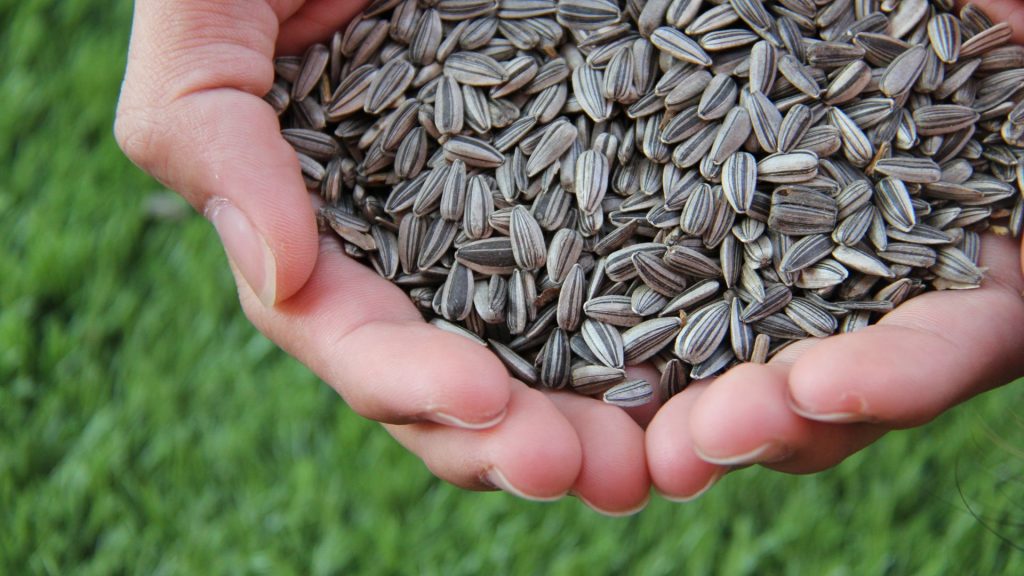
China tasty sunflower seeds represent a significant segment within the global snack food industry, specifically the seed-based snack category. These seeds, primarily derived from Helianthus annuus, undergo processing including drying, dehulling, grading, flavoring, and packaging for consumer consumption. Technically, the industry's focus revolves around maintaining seed viability post-processing, ensuring optimal flavor profile consistency, and complying with food safety regulations. Their position in the supply chain begins with agricultural cultivation, progresses through primary processing (cleaning, drying), secondary processing (flavoring, packaging), and culminates in retail distribution. Key performance indicators include seed moisture content, oil content, hulling ratio, and sensory evaluation scores related to taste, texture, and aroma. The prevalent consumer demand for healthy and convenient snacks drives continuous innovation in flavoring and packaging technologies.
Material Science & Manufacturing
The primary raw material, sunflower seeds, are composed of approximately 35-55% oil, 20-30% protein, 15-25% carbohydrates, and 5-10% moisture. The oil is predominantly linoleic acid, a polyunsaturated fatty acid. Seed shell composition is largely cellulose and lignin, influencing hulling efficiency. Manufacturing commences with harvesting at optimal maturity – typically indicated by a dark seed coat and low moisture content (around 10%). Cleaning removes debris and foreign materials. Drying reduces moisture further to inhibit microbial growth and enzymatic activity, typically employing hot air ovens at temperatures between 50-70°C. Dehulling utilizes mechanical abrasion, impacting seed integrity and resulting in hulling ratios influencing final product yield. Flavoring is achieved through coating with salt, spices, and potentially sugar or other flavor enhancers. Parameter control during drying is critical; excessive heat causes lipid oxidation and off-flavors. Hulling pressure must be calibrated to maximize removal while minimizing kernel damage. Flavor coating uniformity impacts consumer acceptability. Packaging materials (typically polypropylene or polyethylene films) must provide moisture and oxygen barriers to extend shelf life and prevent rancidity.
Performance & Engineering
Performance assessment centers around several key engineering considerations. Force analysis during dehulling assesses the optimal force required for efficient shell removal without damaging the kernel, impacting yield and quality. Environmental resistance concerns primarily relate to moisture ingress leading to lipid oxidation and microbial growth. Packaging materials are engineered to mitigate these risks, utilizing oxygen transmission rate (OTR) and water vapor transmission rate (WVTR) as critical performance metrics. Compliance requirements include adherence to food safety standards such as HACCP (Hazard Analysis and Critical Control Points) and relevant national food regulations regarding permissible levels of contaminants (e.g., aflatoxins). Kernel hardness, measured using compression testing, influences texture and eating quality. Flavor adhesion strength, quantified through shear testing, determines flavor retention during handling and transit. The packaging’s burst strength and tensile strength are critical for withstanding logistics stress. The shelf life is governed by the Arrhenius equation relating temperature to reaction rates of lipid oxidation and moisture absorption.
Technical Specifications
| Parameter | Unit | Specification Range | Test Method |
|---|---|---|---|
| Moisture Content | % w/w | 5.0 – 8.0 | Oven Drying Method (GB 5005-2008) |
| Oil Content | % w/w | 48.0 – 58.0 | Soxhlet Extraction (GB/T 5005-2008) |
| Hulling Ratio | % | >90 | Visual Inspection and Weight Difference |
| Peroxide Value (PV) | meq O2/kg | < 10 | Titration Method (GB 5005-2008) |
| Aflatoxin B1 | µg/kg | < 2 | HPLC Analysis (GB 5005-2008) |
| Salt Content | % w/w | 1.0 – 3.0 (adjustable per flavor) | Titration or Conductivity Measurement |
Failure Mode & Maintenance
Sunflower seeds are susceptible to several failure modes. Rancidity, driven by lipid oxidation, is a primary concern, manifested as off-flavors and odors. This is accelerated by exposure to oxygen, light, and elevated temperatures. Kernel cracking during processing or transit compromises product integrity and acceptability. Microbial contamination, particularly by Aspergillus species leading to aflatoxin production, represents a food safety hazard. Packaging failure (e.g., punctures, seal breaches) allows moisture and oxygen ingress. Maintenance focuses on controlling these factors. Proper storage in cool, dark, and dry conditions is crucial. Packaging should utilize materials with low OTR and WVTR. Regular monitoring of peroxide value and aflatoxin levels is essential. Equipment cleaning and sanitation protocols minimize microbial contamination. Damage during handling should be avoided through careful packaging and transport procedures. Implementing a First-In, First-Out (FIFO) inventory management system ensures older stock is utilized before newer stock, minimizing prolonged storage and potential degradation. Proper calibration of dehulling machinery also minimizes kernel damage.
Industry FAQ
Q: What is the impact of sunflower seed variety on the final product quality?
A: Sunflower seed variety significantly influences oil content, kernel size, and shell thickness. Varieties with higher oil content are generally preferred for snack production, yielding a richer flavor and texture. Kernel size impacts the eating experience. Thicker shells necessitate greater dehulling force, potentially increasing kernel damage. Different varieties also exhibit varying levels of resistance to fungal infections, affecting aflatoxin risk.
Q: How does the drying process affect the sensory characteristics of the sunflower seeds?
A: Incorrect drying temperatures can cause significant sensory degradation. Excessive heat promotes lipid oxidation, leading to rancidity and off-flavors. Insufficient drying leaves residual moisture, encouraging microbial growth. Optimal drying involves controlled temperature and airflow to minimize these effects, preserving the natural flavor and aroma of the seeds.
Q: What are the key considerations when selecting packaging materials for sunflower seeds?
A: The primary considerations are barrier properties – specifically, low OTR and WVTR – to prevent rancidity and maintain crispness. Material strength is also crucial to withstand handling and transportation stresses. Cost-effectiveness and printability for branding purposes are additional factors. Metallized films and multi-layer laminates are commonly used to achieve optimal performance.
Q: What are the regulatory requirements for aflatoxin levels in sunflower seeds destined for international markets?
A: Aflatoxin regulations vary by country. The European Union generally sets a maximum limit of 2 µg/kg for total aflatoxins in food products, including sunflower seeds. The United States FDA also has established limits. Exporters must comply with the specific regulations of the importing country to ensure product acceptance.
Q: How can the shelf life of sunflower seeds be extended?
A: Extending shelf life requires a multi-faceted approach. Optimal drying, appropriate packaging with effective barrier properties, storage in cool and dark conditions, and the addition of antioxidants (within regulatory limits) can all contribute to prolonging freshness. Implementing a FIFO inventory system also helps minimize prolonged storage.
Conclusion
China tasty sunflower seeds production represents a complex interplay of agricultural science, food processing engineering, and packaging technology. Maintaining product quality and safety necessitates precise control over parameters throughout the entire value chain – from seed selection and harvesting to drying, dehulling, flavoring, and packaging. Understanding the material properties of sunflower seeds, failure modes, and relevant regulatory standards is critical for manufacturers seeking to deliver a consistently high-quality product to consumers.
Future innovation in this sector will likely focus on developing more sustainable packaging materials, optimizing processing techniques to minimize energy consumption and waste, and exploring novel flavoring options to meet evolving consumer preferences. Continuous monitoring of aflatoxin levels and adherence to stringent food safety protocols will remain paramount for ensuring product integrity and public health.
