Introduction
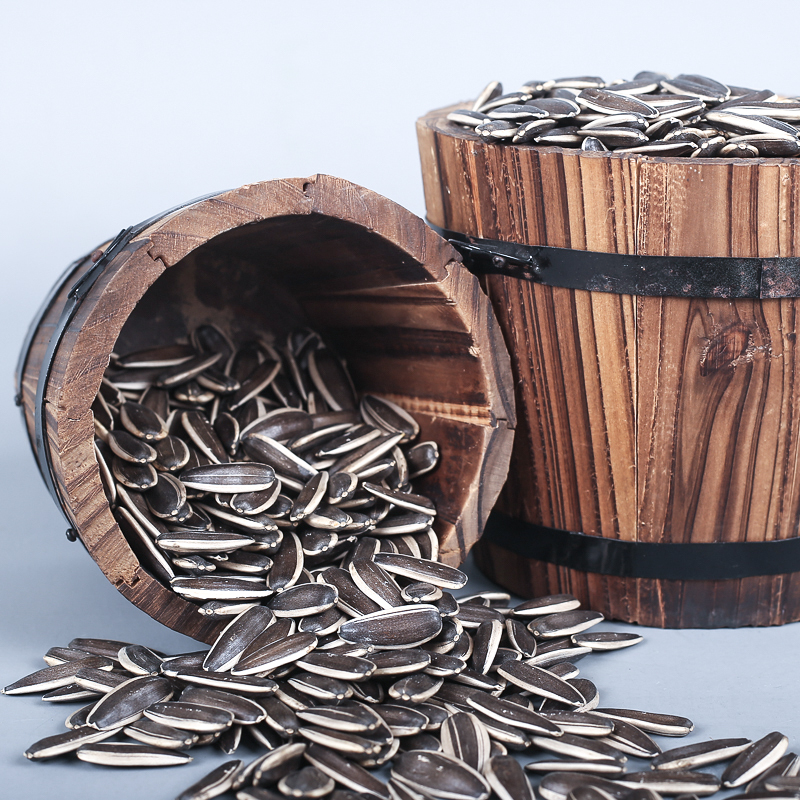
China tangerine peel flavor sunflower seeds represent a significant segment within the flavored snack food industry, specifically the sunflower seed subsector. These seeds, derived from Helianthus annuus, undergo a complex processing sequence involving kernel extraction, size grading, roasting, flavoring, and packaging. Technically, their position in the food chain is as a post-harvest processed commodity, moving from agricultural output to a consumer-ready snack. Core performance characteristics center around flavor profile consistency, kernel integrity (minimizing broken or damaged seeds), moisture content (influencing shelf life and texture), and adherence to food safety standards. A key industry pain point is maintaining flavor adhesion during distribution and storage, along with preventing rancidity due to the high oil content of the sunflower kernel. The quality of the tangerine peel extract and its uniform distribution are also critical to consumer acceptance. This guide provides an in-depth technical analysis of these seeds, covering material science, manufacturing processes, performance characteristics, potential failure modes, and relevant industry standards.
Material Science & Manufacturing
The primary raw material is the sunflower kernel, a dicotyledonous seed rich in unsaturated fatty acids (linoleic acid, oleic acid), proteins, and carbohydrates. Kernel composition varies by sunflower variety, geographic origin, and cultivation practices. The tangerine peel flavoring agent is derived from Citrus reticulata, primarily consisting of limonene, citral, and various other volatile organic compounds responsible for the characteristic aroma and taste. The binding agents used for flavor adhesion are typically food-grade gums (e.g., gum arabic, xanthan gum) and starches, chosen for their viscosity and film-forming properties. Manufacturing involves several key steps: kernel dehulling and cleaning to remove debris, size grading to ensure uniformity, roasting using hot air or oil at controlled temperatures (typically 120-150°C) to develop flavor and reduce moisture, flavor application through a tumbling process with the tangerine peel extract and binding agents, and finally, packaging in moisture-barrier films to maintain freshness. Precise control of roasting temperature is crucial to prevent scorching and development of off-flavors. The viscosity and spray rate of the flavoring solution directly impact flavor coating uniformity. Chemical compatibility between the flavoring agent and the packaging material is essential to prevent migration of volatiles and maintain flavor intensity.
Performance & Engineering
Performance is primarily evaluated through sensory analysis (taste, aroma, texture), but is underpinned by quantifiable engineering parameters. Shear force analysis determines the force required to crack a kernel, indicating roasting level and texture. Moisture content, typically measured using Karl Fischer titration, must be maintained below a specified level (usually <5%) to prevent microbial growth and rancidity. Flavor adhesion strength, assessed using a tape test or shear adhesion test, quantifies the bond between the flavoring agent and the kernel surface. Environmental resistance is critical, specifically resistance to humidity and temperature fluctuations during storage and transport. Packaging materials must provide a sufficient oxygen transmission rate (OTR) and water vapor transmission rate (WVTR) to preserve product quality. Compliance requirements include adherence to national and international food safety regulations (e.g., FDA, EFSA), including limits on heavy metal contamination, pesticide residues, and microbial counts. The distribution of flavoring compounds across the kernel surface is governed by fluid dynamics principles during the coating process, requiring optimization of spray nozzle design and tumbling speed.
Technical Specifications
| Parameter | Units | Specification | Test Method |
|---|---|---|---|
| Moisture Content | % (w/w) | ≤ 4.5% | Karl Fischer Titration (GB/T 5005-2008) |
| Kernel Size | mm | Average: 8-10 mm, Range: 6-12 mm | Sieve Analysis (ASTM E11) |
| Broken Kernel Percentage | % (w/w) | ≤ 3% | Visual Inspection & Weighting |
| Flavor Adhesion Strength | N/cm | ≥ 0.8 N/cm | Shear Adhesion Test (modified ASTM D3359) |
| Tangerine Peel Extract Content | % (w/w) | 1.5 - 2.5% | Gas Chromatography-Mass Spectrometry (GC-MS) |
| Peroxide Value (Indication of Rancidity) | meq O2/kg | ≤ 10 meq O2/kg | AOCS Cd 8-53 |
Failure Mode & Maintenance
Common failure modes include flavor loss due to volatilization of flavoring compounds or insufficient adhesion, kernel rancidity caused by oxidation of unsaturated fatty acids, shell fragmentation during handling and transportation, and microbial contamination leading to spoilage. Fatigue cracking of the kernel itself is rare, but can occur under extreme stress. Flavor loss is often accelerated by exposure to oxygen, light, and high temperatures. Rancidity is mitigated through the use of antioxidants (e.g., Vitamin E, BHA/BHT) and nitrogen flushing of packaging. Shell fragmentation is minimized by careful handling during processing and robust packaging design. Maintenance practices focus on optimizing roasting parameters to minimize oil degradation, ensuring proper sealing of packaging to prevent moisture ingress and oxygen exposure, and implementing a robust quality control system to detect and remove defective kernels. Regular monitoring of peroxide value and sensory evaluation are crucial for assessing product stability. Storage conditions should adhere to recommended temperature and humidity levels (typically <25°C and <65% RH).
Industry FAQ
Q: What are the key factors affecting the shelf life of these flavored sunflower seeds?
A: Shelf life is primarily affected by moisture content, oxygen exposure, temperature, and the presence of antioxidants. High moisture content promotes microbial growth and enzymatic reactions leading to rancidity. Oxygen accelerates lipid oxidation, causing off-flavors. Elevated temperatures increase the rate of all these degradation processes. Effective packaging with low OTR and WVTR, combined with the addition of suitable antioxidants and proper storage conditions, are essential for maximizing shelf life.
Q: How do you ensure consistent flavor adhesion across all batches?
A: Consistent flavor adhesion relies on precise control of the flavoring solution viscosity, spray rate, tumbling speed during application, and kernel surface characteristics. We employ automated spray systems with real-time viscosity monitoring and adjust parameters based on kernel moisture content and size distribution. Regular quality control checks, including shear adhesion testing, are performed to verify adhesion strength.
Q: What types of packaging materials are most suitable for these seeds, and why?
A: Multi-layer films incorporating a metalized layer (e.g., aluminum foil) and a polyethylene or polypropylene inner layer are preferred. The metalized layer provides an excellent oxygen barrier, while the polyethylene/polypropylene provides moisture resistance and heat sealability. The thickness and composition of each layer are optimized to balance barrier properties, cost, and processability.
Q: What are the regulatory requirements regarding permissible levels of heavy metals and pesticide residues?
A: We adhere to the maximum residue limits (MRLs) established by both national (e.g., China's GB standards) and international (e.g., FDA, EFSA) food safety authorities. Regular testing is conducted by accredited third-party laboratories to ensure compliance with these regulations. We source sunflower seeds from suppliers with established traceability programs and pesticide management practices.
Q: How do you mitigate the risk of aflatoxin contamination in sunflower seeds?
A: Aflatoxin is a serious concern in sunflower seeds. We implement a comprehensive risk management program that includes sourcing seeds from regions with low aflatoxin prevalence, conducting regular aflatoxin testing using ELISA or HPLC methods, and employing good agricultural practices to minimize fungal growth in the field. Seeds exceeding the permissible aflatoxin limits are rejected.
Conclusion
China tangerine peel flavor sunflower seeds are a complex product whose quality is dictated by a confluence of material science, manufacturing precision, and adherence to stringent quality control measures. Maintaining consistent flavor adhesion, preventing rancidity, and ensuring compliance with food safety regulations are critical challenges for producers. The optimal solution requires a holistic approach encompassing careful raw material selection, precise process control, robust packaging, and ongoing monitoring of product quality throughout the supply chain.
Future development in this area will likely focus on incorporating novel antioxidant technologies, optimizing packaging materials for enhanced barrier properties, and exploring innovative flavor encapsulation techniques to improve flavor retention and reduce flavor loss during distribution and storage. Furthermore, advancements in analytical techniques will allow for more rapid and accurate detection of contaminants and quality parameters, ensuring a safer and more consistent product for consumers.
