Introduction
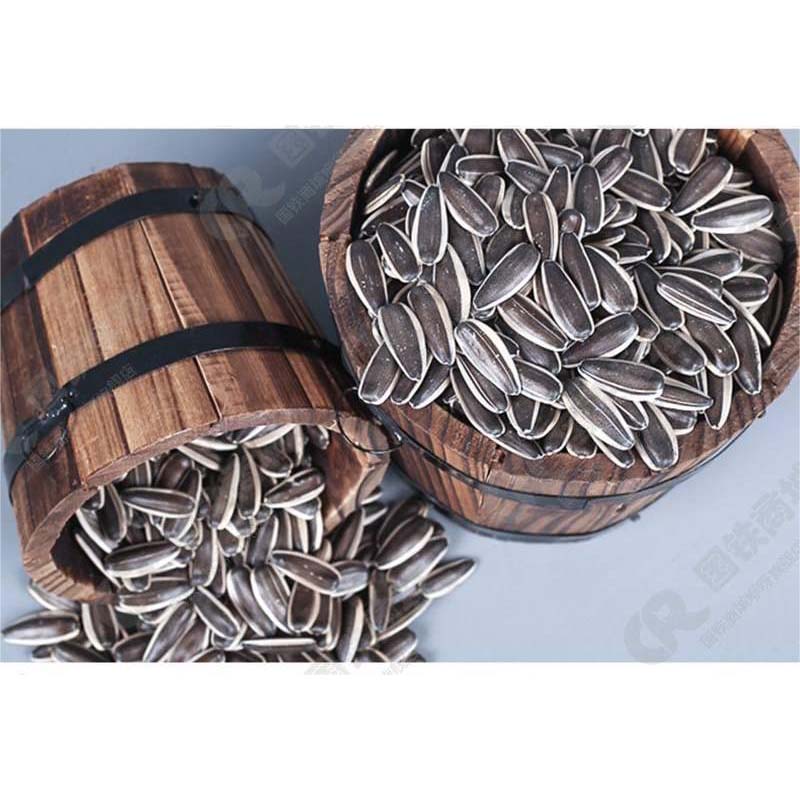
China sweet sunflower seeds represent a significant segment within the global snack food industry, specifically categorized as processed oilseed products. Technically, they consist of the kernel of Helianthus annuus seeds subjected to roasting, flavoring, and glazing processes to enhance palatability and shelf-life. Their position in the supply chain extends from agricultural production, through processing facilities, to distribution networks servicing both domestic and international markets. Core performance characteristics revolve around seed size uniformity, kernel intactness, moisture content, oil content, flavor profile consistency, and the adherence to stringent food safety regulations. A primary industry pain point stems from maintaining consistent flavor delivery while addressing consumer demands for healthier snack options – specifically reducing sugar and sodium content without compromising taste or texture. Furthermore, the efficient removal of hulls and foreign material during processing presents an ongoing engineering challenge impacting both yield and product quality.
Material Science & Manufacturing
The raw material, sunflower seeds, comprises primarily triglycerides (oils), proteins, carbohydrates (including fiber), and minor components like phospholipids, vitamins, and minerals. Oil content, typically ranging from 42-58% dependent on variety, dictates flavor carry-through during roasting and significantly influences product mouthfeel. Protein content, averaging 18-25%, contributes to structural integrity. Manufacturing begins with seed cleaning to remove debris, followed by hulling – a critical step employing mechanical abrasion or cracking. Kernel damage during hulling negatively impacts final product appearance and increases susceptibility to rancidity. Roasting, typically conducted between 120-180°C, develops flavor compounds through Maillard reactions and caramelization of sugars. Precise temperature control is paramount to prevent scorching and the formation of acrylamide. Flavoring utilizes aqueous solutions of sugars (sucrose, glucose), salt (sodium chloride), and artificial or natural flavorings. Glazing typically involves a coating of maltodextrin or modified starch to impart a shiny appearance and enhance crispness. The final stage involves quality control, including optical sorting to remove discolored or damaged seeds and metal detection to ensure food safety. Key parameter control centers on moisture content (below 8% to prevent microbial growth), oil absorption during roasting (minimizing oil migration to the surface), and consistent coating thickness.
Performance & Engineering
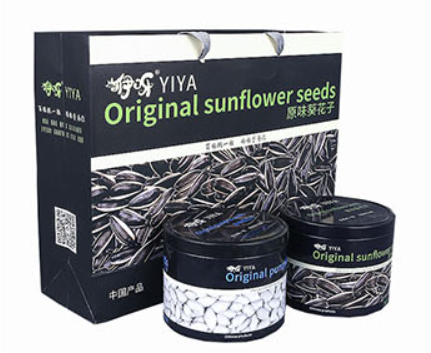
Performance analysis focuses on several key areas. Firstly, compressive strength of the seed kernel is crucial – excessively brittle seeds fracture easily during handling and transport. Force analysis during the hulling process identifies optimal impact parameters to maximize kernel recovery while minimizing damage. Environmental resistance is primarily concerned with moisture ingress, which accelerates lipid oxidation and causes rancidity. Packaging plays a critical role, with barrier materials (typically multi-layer films incorporating polyethylene, aluminum foil, and polypropylene) minimizing oxygen transmission rate (OTR) and water vapor transmission rate (WVTR). Compliance requirements adhere to national and international food safety standards, including limits on heavy metal contamination (lead, cadmium), pesticide residues, and microbial load. The sugar coating’s adhesion to the seed kernel is a functional implementation detail; insufficient adhesion results in a dusty product, while excessive adhesion compromises crispness. Further, the structural integrity of the glaze coating is vital to resist chipping and cracking during handling and distribution. Engineering efforts are directed towards automating the hulling and flavoring processes to reduce labor costs and improve throughput, while maintaining product quality and consistency.
Technical Specifications
| Parameter | Unit | Typical Value | Testing Method |
|---|---|---|---|
| Kernel Moisture Content | % | 6.0 - 8.0 | Oven Drying (GB/T 5005-2008) |
| Oil Content | % | 48 - 55 | Soxhlet Extraction (GB/T 5005-2008) |
| Kernel Intactness | % | > 95 | Visual Inspection & Sieving |
| Hull Content | % | < 2 | Visual Inspection & Weight Loss on Hull Removal |
| Sugar Coating Weight | % | 8 - 12 | Weight Difference Before & After Coating Removal |
| Peroxide Value (Indication of Rancidity) | meq/kg | < 5 | Titration (GB/T 38630-2010) |
Failure Mode & Maintenance
Failure modes in china sweet sunflower seeds primarily relate to quality degradation during storage and distribution. Rancidity, caused by lipid oxidation, is a major concern, manifesting as an off-flavor and odor. This is accelerated by exposure to oxygen, light, and elevated temperatures. Fatigue cracking of the seed kernel can occur during handling, particularly if seeds are subjected to impact. Delamination of the sugar coating results in a dusty appearance and reduced product appeal. Hygroscopic nature of the sugar coating can lead to clumping and loss of crispness in humid environments. Microbial contamination, though less common due to the roasting process, can occur if moisture content exceeds acceptable limits or packaging integrity is compromised. Maintenance strategies involve optimizing packaging materials for barrier properties, controlling storage temperatures (below 25°C and relative humidity below 60%), implementing a robust first-in, first-out (FIFO) inventory management system, and regular quality control testing for peroxide value and microbial load. Preventative maintenance of processing equipment (roasters, hullers, coaters) is critical to minimize kernel damage and ensure consistent product quality. Cleaning and sanitation protocols are essential to prevent cross-contamination.
Industry FAQ
Q: What factors most significantly impact the shelf-life of these seeds?
A: The primary factors are moisture content, oil content, oxygen exposure, and storage temperature. Maintaining low moisture content (below 8%) and minimizing oxygen permeation through packaging are paramount. Lower storage temperatures significantly slow down the rate of lipid oxidation, extending shelf-life. Packaging material selection, specifically the OTR and WVTR, is critically important.
Q: How do you control acrylamide formation during the roasting process?
A: Acrylamide formation is influenced by roasting temperature, time, and the levels of reducing sugars present in the seeds. We employ precise temperature control, optimizing roasting profiles to minimize acrylamide precursors. Monitoring seed quality, specifically reducing sugar content, is also implemented. Regular testing for acrylamide levels ensures compliance with regulatory limits.
Q: What are the key differences in hulling technologies and their impact on kernel damage?
A: Mechanical abrasion hulling is generally less damaging but less efficient, leaving higher hull content. Impact hulling offers higher throughput but carries a greater risk of kernel fracture. We utilize a combination of pre-cleaning, controlled impact force, and post-sorting to minimize damage while achieving efficient hull removal.
Q: How is flavor consistency maintained across different production batches?
A: Flavor consistency is maintained through precise control of ingredient ratios (sugar, salt, flavorings), roasting temperature profiles, and coating application rates. Regular sensory evaluation and analytical testing (GC-MS for flavor compound analysis) ensure adherence to established flavor standards.
Q: What certifications does your facility hold regarding food safety and quality?
A: Our facility is certified to ISO 22000:2018 (Food Safety Management System) and HACCP (Hazard Analysis and Critical Control Points). We also comply with relevant regulations set forth by the FDA and local authorities. Regular audits are conducted to maintain compliance.
Conclusion
China sweet sunflower seeds, while seemingly simple, are the product of a complex interplay of material science, engineering, and process control. Maintaining consistent quality requires meticulous attention to detail throughout the entire supply chain, from seed selection and hulling to roasting, flavoring, and packaging. Addressing the industry’s pain points – specifically delivering consistent flavor profiles, extending shelf-life, and reducing sugar content – necessitates continuous innovation in processing technologies and packaging materials.
Future development will likely focus on optimizing roasting profiles to minimize acrylamide formation without sacrificing flavor, exploring natural alternatives to artificial flavorings, and developing biodegradable or compostable packaging solutions to align with growing consumer demand for sustainable products. Investment in automated quality control systems leveraging machine vision and AI will further enhance product consistency and reduce reliance on manual inspection.
