Introduction
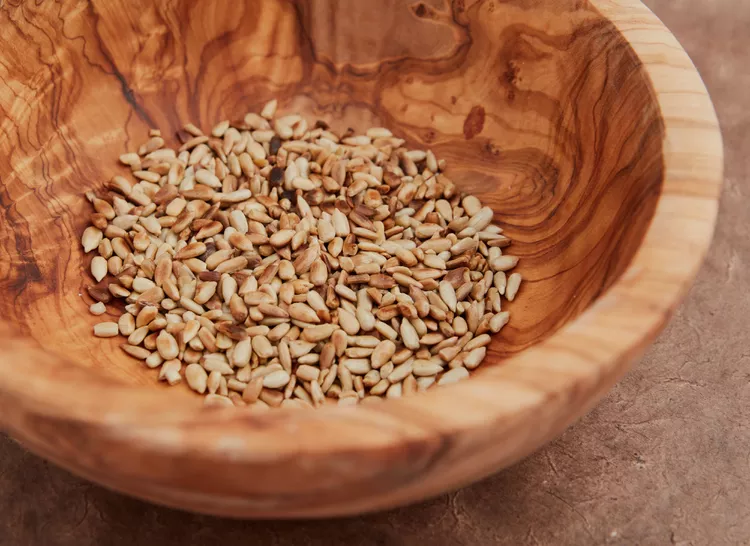
China sweet melon seed ( Cucumis melo var. reticulatus) represents a significant component of the global snack food industry, positioned within the agricultural processing and confectionery supply chains. This product, derived from specific cultivars of the muskmelon, undergoes post-harvest processing involving drying, roasting, and seasoning to achieve its final consumable form. Its technical position hinges on consistent seed quality, efficient processing methodologies, and adherence to food safety standards. Core performance metrics center around seed size, moisture content, oil content, shell strength, and the uniformity of seasoning application. Addressing concerns related to aflatoxin contamination, pesticide residue levels, and maintaining a consistent flavor profile are critical industry pain points. This guide provides an in-depth analysis of the material science, manufacturing processes, performance characteristics, and potential failure modes associated with China sweet melon seed, as well as relevant international standards.
Material Science & Manufacturing
The raw material – melon seeds – exhibits a complex composition. Predominantly, they comprise lipids (40-50% by weight), proteins (25-30%), carbohydrates (10-15%), and moisture (8-12%). The lipid fraction is rich in unsaturated fatty acids, linoleic acid being particularly prevalent. The seed coat (testa) consists primarily of cellulose, hemicellulose, and lignin, providing structural integrity. Manufacturing begins with harvesting mature melons and separating the seeds. Initial cleaning removes pulp and debris. A critical step is drying, typically achieved through sun drying or controlled-temperature industrial dryers. Moisture content must be reduced to below 8% to prevent mold growth and ensure optimal roasting. Roasting, conducted at temperatures ranging from 120-160°C, develops the characteristic flavor and crispness. Precise temperature control is paramount; under-roasting results in a soft, undesirable texture, while over-roasting leads to bitterness due to lipid oxidation. Seasoning, employing salt, sugar, and various flavor enhancers (e.g., chili powder, spices), is applied post-roasting. Parameter control includes monitoring seed moisture during drying, roast time and temperature, seasoning adhesion, and ensuring uniform coating distribution. Seed size consistency is achieved through grading processes before and after roasting, typically employing sieving techniques.
Performance & Engineering
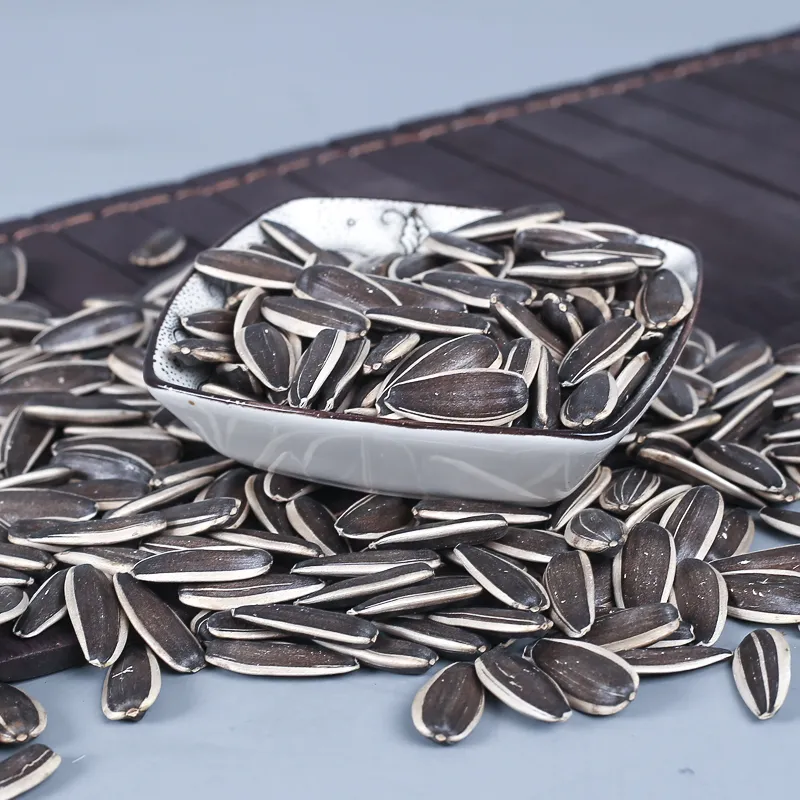
Performance engineering of China sweet melon seed centers around optimizing textural attributes (crispness, hardness), flavor release, and shelf life stability. Force analysis demonstrates that shell fracture strength dictates the textural experience. Seeds with a higher shell strength require greater force to crack during consumption, contributing to a more satisfying crunch. Environmental resistance is a critical consideration. Exposure to humidity significantly impacts moisture regain, leading to softening and reduced crispness. Packaging materials must provide an effective moisture barrier. Compliance requirements, particularly concerning food safety, are stringent. Aflatoxin levels must remain below internationally mandated limits (typically 4 ppb for total aflatoxins). Pesticide residue levels are regulated by country-specific standards. Functional implementation also extends to minimizing dust generation during processing and packaging. The geometry of the seed impacts flowability during automated packaging operations, and uniform seed size minimizes bridging or clogging in conveying systems. Material handling equipment needs to be designed to avoid seed breakage or damage. Maintaining optimal oil content and preventing rancidity through appropriate packaging materials (e.g., nitrogen flushing) are also key performance aspects.
Technical Specifications
| Parameter | Unit | Typical Value | Acceptable Range |
|---|---|---|---|
| Moisture Content | % (w/w) | 6.5 | ≤ 8.0 |
| Oil Content | % (w/w) | 45 | 40 – 50 |
| Protein Content | % (w/w) | 28 | 25 – 32 |
| Aflatoxin (Total) | ppb | <2 | ≤ 4 |
| Shell Strength (Fracture Force) | N | 15 | 10 – 20 |
| Seed Size (Average Length) | mm | 8 | 7 – 9 |
Failure Mode & Maintenance
Failure modes in China sweet melon seed can be categorized into physical, chemical, and biological causes. Physical failures include shell cracking during processing or handling, leading to fragmented seeds and reduced aesthetic appeal. Chemical failures involve lipid oxidation (rancidity), resulting in off-flavors and diminished quality. This is accelerated by exposure to oxygen, light, and elevated temperatures. Aflatoxin contamination represents a significant biological failure mode, stemming from fungal growth ( Aspergillus flavus and Aspergillus parasiticus) during pre- or post-harvest stages. Degradation of seasoning adhesion can occur due to humidity or improper seasoning application. Maintenance solutions involve implementing rigorous quality control at each processing stage. Proper drying techniques minimize moisture content and inhibit fungal growth. Packaging in hermetically sealed containers with nitrogen flushing reduces oxygen exposure and slows oxidation. Regular aflatoxin testing is crucial. Storage in cool, dry conditions protects against rancidity and moisture regain. Preventive maintenance of processing equipment, including cleaning and lubrication, minimizes seed damage. Implementing a robust traceability system allows for rapid identification and isolation of contaminated batches. Shelf-life extension can be achieved through the incorporation of antioxidants into packaging materials.
Industry FAQ
Q: What is the primary factor influencing the shelf life of roasted melon seeds?
A: The primary factor is the rate of lipid oxidation. Unsaturated fatty acids within the seeds are susceptible to oxidation when exposed to oxygen, light, and heat. Packaging materials with excellent barrier properties (low oxygen permeability) and the inclusion of antioxidants are crucial for extending shelf life. Proper storage conditions – cool, dry, and dark – are also essential.
Q: How can we ensure consistently low aflatoxin levels in the final product?
A: Implementing a multi-faceted approach is critical. This includes sourcing seeds from reputable suppliers with established quality control systems, conducting thorough pre-processing inspections for mold growth, employing effective drying techniques to reduce moisture content, and regularly testing batches throughout the process and in the final product. Good agricultural practices (GAP) at the farm level are also important.
Q: What role does roasting temperature play in the development of flavor and texture?
A: Roasting temperature directly impacts both flavor and texture. Lower temperatures (below 120°C) result in under-roasted seeds with a soft texture and weak flavor. Higher temperatures (above 160°C) can lead to over-roasting, producing a bitter taste and potentially damaging the oil content. Optimal roasting temperature, typically between 120-160°C, is determined by seed variety and desired product characteristics.
Q: What are the common causes of seasoning adhesion failure?
A: Seasoning adhesion failure can be caused by several factors, including insufficient oil coating on the seeds, excessive humidity causing the seasoning to dissolve, improper application of seasoning (e.g., uneven distribution, insufficient contact time), and the use of low-quality seasoning ingredients. Maintaining appropriate seed surface oil content and controlling humidity are key preventative measures.
Q: What seed size specifications are typically required for automated packaging lines?
A: Seed size uniformity is crucial for efficient automated packaging. Excessive variation in size can lead to bridging or clogging in conveying and filling systems. A typical acceptable range for seed length is 7-9mm, with a narrow distribution around the average length. Grading the seeds before packaging is essential to remove oversized or undersized seeds.
Conclusion
China sweet melon seed production demands a meticulous approach encompassing material science understanding, precise manufacturing control, and rigorous quality assurance. Maintaining optimal moisture content, controlling roasting parameters, ensuring effective seasoning adhesion, and minimizing aflatoxin contamination are paramount to delivering a high-quality, safe, and palatable product. The complexities of lipid oxidation and the influence of environmental factors necessitate careful packaging and storage protocols.
Future advancements will likely focus on implementing advanced sorting technologies for enhanced seed quality control, exploring novel packaging materials with improved barrier properties, and developing more effective methods for aflatoxin mitigation. A continued emphasis on traceability and adherence to stringent international food safety standards will be critical for sustained success in the global snack food market.
