Introduction
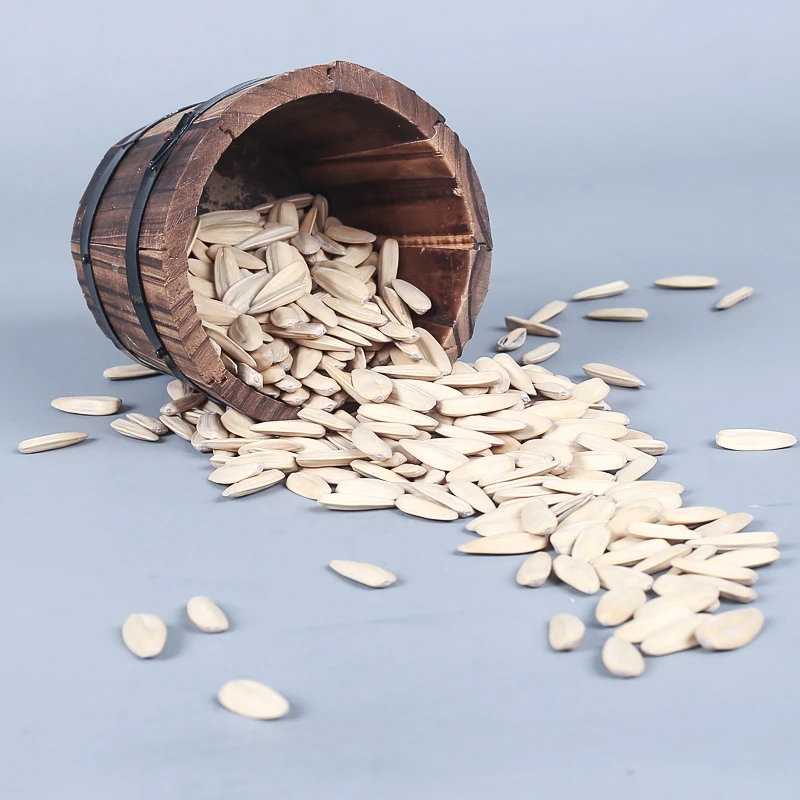
China sunflower seeds without salt represent a significant segment within the global edible seed market, specifically catering to health-conscious consumers and those preferring unsalted snack options. Positioned within the agricultural processing chain, these seeds undergo a series of treatments from farm harvesting to final packaging. Core performance characteristics center on kernel size, oil content, moisture levels, and the absence of residual agrochemicals. The increasing demand for natural and minimally processed foods drives the industry, with stringent quality control becoming paramount to meet international food safety standards. A key industry pain point revolves around maintaining consistent kernel quality and preventing aflatoxin contamination, necessitating rigorous post-harvest handling and storage protocols. The absence of salt also impacts shelf life and necessitates modified packaging to prevent moisture absorption and rancidity.
Material Science & Manufacturing
The raw material, Helianthus annuus (sunflower), possesses a seed composition averaging 42-58% oil, 20-25% protein, and 10-15% carbohydrate. The hull, or pericarp, provides a protective barrier. Manufacturing begins with harvesting mature seed heads, followed by threshing to separate the seeds from the head. Drying is critical, typically employing forced-air systems to reduce moisture content to 8-10% to inhibit fungal growth. Dehulling, a mechanical process, removes the outer hull, although some varieties are consumed with the hull intact. Sorting utilizes optical and gravity separation techniques to remove foreign matter and damaged seeds. Roasting, though not always employed for unsalted seeds, can enhance flavor and texture, requiring precise temperature (120-150°C) and time control (15-20 minutes) to avoid lipid oxidation. Packaging utilizes materials with low oxygen transmission rates to preserve freshness. Critical parameters include seed moisture content (monitored with near-infrared spectroscopy), oil acidity (determined by titration), and hull damage (assessed visually and with automated systems). Chemical compatibility analysis focuses on the inertness of packaging materials to prevent leaching of compounds into the seeds.
Performance & Engineering
The performance of sunflower seeds without salt is largely defined by their nutritional profile and sensory attributes. Force analysis relevant to packaging considers compressive strength of the seeds to minimize breakage during transport. Environmental resistance pertains to shelf life under varying temperature and humidity conditions; water activity (aw) control is crucial, ideally below 0.65 to prevent microbial growth. Compliance requirements involve adherence to national and international food safety regulations, including limits for heavy metals (lead, cadmium), pesticide residues, and mycotoxins (aflatoxins). Functional implementation relates to maintaining consistent seed size for automated packaging lines and optimizing roasting parameters (if applicable) to achieve desired texture and flavor without inducing lipid peroxidation. The oil content impacts the seed’s caloric density and contributes to its perceived ‘mouthfeel’. Seed coat integrity directly affects moisture barrier properties and resistance to cracking. Furthermore, the absence of salt requires the packaging to provide enhanced moisture barrier properties compared to salted varieties.
Technical Specifications
| Parameter | Unit | Typical Value (China Sunflower Seeds – Unsalted) | Acceptable Range |
|---|---|---|---|
| Moisture Content | % | 8.5 | 7.0 - 10.0 |
| Oil Content | % | 48 | 45 - 55 |
| Protein Content | % | 22 | 20 - 24 |
| Kernel Size (Average Diameter) | mm | 8.0 | 7.0 - 9.0 |
| Aflatoxin B1 | µg/kg | <2 | <4 (Regulatory Limit) |
| Peroxide Value (Indicates Oxidation) | meq O2/kg | <5 | <10 (Acceptable) |
Failure Mode & Maintenance
Common failure modes include rancidity due to lipid oxidation (accelerated by light, oxygen, and temperature), evidenced by off-flavors and odors. Hulling damage leads to increased susceptibility to moisture absorption and microbial contamination. Aflatoxin contamination represents a significant safety concern, stemming from fungal growth during pre-harvest or post-harvest handling. Physical damage during processing or transportation causes kernel breakage, reducing aesthetic appeal and increasing surface area for oxidation. Maintenance focuses on implementing strict quality control measures throughout the supply chain. This includes proper drying and storage conditions (low temperature, low humidity, dark environment), regular aflatoxin testing, and employing packaging materials with excellent barrier properties. Preventive maintenance of processing equipment (dehullers, sorters) minimizes seed damage. Furthermore, traceability systems are crucial to identify and address sources of contamination. Monitoring water activity levels is critical for extending shelf life and preventing microbial growth. Proper sanitation procedures for processing equipment are also crucial.
Industry FAQ
Q: What are the primary methods for controlling aflatoxin levels in sunflower seeds?
A: Controlling aflatoxin levels requires a multi-faceted approach. This includes selecting aflatoxin-resistant seed varieties, implementing proper pre-harvest agricultural practices (managing insect damage, reducing drought stress), ensuring rapid and thorough drying after harvest, utilizing effective storage conditions (low temperature, low humidity), and employing robust sorting technologies to remove contaminated kernels. Regular testing at multiple stages is essential.
Q: How does the absence of salt impact the shelf life of these sunflower seeds, and what packaging solutions are recommended?
A: The absence of salt removes a natural preservative effect, making the seeds more susceptible to moisture absorption and rancidity. Recommended packaging solutions include multi-layer films with high oxygen and moisture barrier properties (e.g., polyethylene terephthalate (PET) / aluminum foil / polyethylene (PE) laminates). Vacuum packaging or modified atmosphere packaging (MAP) with nitrogen flushing can further extend shelf life.
Q: What is the significance of peroxide value in assessing sunflower seed quality?
A: Peroxide value is a primary indicator of lipid oxidation, which is a major cause of rancidity. A higher peroxide value indicates a greater degree of oxidation and a lower quality product. Monitoring peroxide value during storage provides insight into the rate of degradation and helps determine the remaining shelf life.
Q: What optical sorting technologies are typically used to ensure consistent kernel quality?
A: Color sorters are commonly used to remove discolored or damaged kernels. Shape sorters identify and reject kernels that deviate from the desired size and shape. Near-infrared (NIR) sorting can assess internal quality parameters, such as oil content and moisture levels, allowing for more precise grading.
Q: Are there specific international standards regarding the maximum permissible levels of heavy metals in sunflower seeds intended for human consumption?
A: Yes. Regulations vary by country, but commonly referenced standards include those set by the Codex Alimentarius Commission, the European Union (Regulation (EC) No 1881/2006), and the US Food and Drug Administration (FDA). These standards specify maximum limits for lead, cadmium, mercury, and arsenic, among other heavy metals.
Conclusion
China sunflower seeds without salt represent a complex agricultural product requiring careful attention to detail throughout the entire supply chain. Maintaining optimal kernel quality, preventing aflatoxin contamination, and ensuring extended shelf life without the benefit of salt preservation necessitate a holistic approach encompassing material science, manufacturing process control, and stringent quality assurance protocols. The performance metrics outlined – oil content, moisture levels, and aflatoxin presence – are critical indicators of product suitability and consumer safety.
Future advancements will likely focus on developing even more effective aflatoxin mitigation strategies, employing advanced packaging technologies (e.g., active packaging), and optimizing processing techniques to minimize seed damage and lipid oxidation. Continued adherence to international food safety standards and proactive implementation of quality control measures will remain paramount to meeting the growing demand for this healthy and natural snack option.
