Introduction
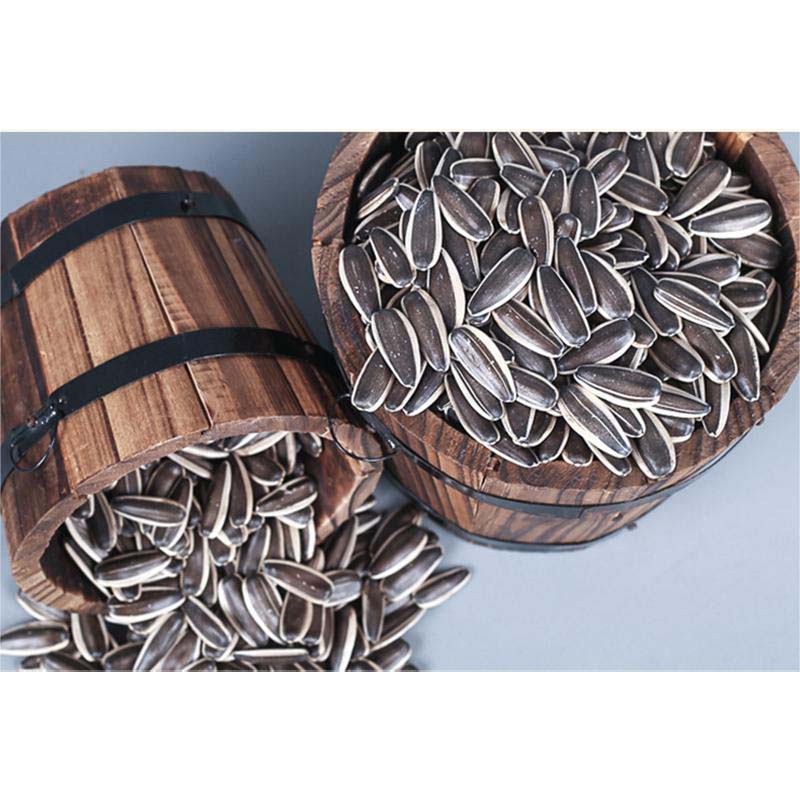
China sunflower seeds with shell represent a significant agricultural product within the global snack food industry. Positioned as a cost-effective and culturally-rooted snack, they occupy a distinct niche between fully processed kernel sunflower seeds and raw agricultural outputs. These seeds are typically harvested from Helianthus annuus, a plant cultivated extensively across China, particularly in the northern provinces. The preservation of the shell contributes to extended shelf life and a characteristic texture appreciated by consumers. Core performance attributes include oil content, kernel size, shell integrity, and freedom from aflatoxins and other contaminants. This guide details the material science, manufacturing processes, performance characteristics, potential failure modes, and relevant standards associated with the production and quality control of China sunflower seeds with shell, focusing on aspects relevant to international trade and procurement.
Material Science & Manufacturing
The primary material constituents of China sunflower seeds with shell are the kernel (cotyledon), the shell (pericarp), and the embryo. The kernel comprises approximately 50-60% oil, primarily linoleic acid (C18:2) and oleic acid (C18:1), along with proteins (20-25%), carbohydrates, and trace minerals. The shell, constituting roughly 20-30% of the total seed weight, is composed primarily of cellulose, hemicellulose, and lignin, providing structural integrity. Manufacturing begins with field cultivation and harvesting. Post-harvest processing includes cleaning, drying (typically to 8-10% moisture content to inhibit microbial growth and enzymatic activity), and grading based on seed size and shell characteristics. A critical stage is the de-stoning process, removing extraneous materials. Shell integrity is paramount; cracking during processing indicates potential damage and increased susceptibility to mold growth. Key parameter control during drying involves maintaining temperature below 45°C to prevent lipid oxidation and preserve oil quality. Grading utilizes sieves of varying mesh sizes to categorize seeds by size, impacting market value. Storage conditions – low temperature (below 10°C) and humidity (below 65%) – are crucial for long-term preservation. Improper drying or storage contributes significantly to the development of rancidity and aflatoxin contamination. Further processing may involve light roasting to enhance flavor, although this must be carefully controlled to avoid excessive oil degradation.
Performance & Engineering
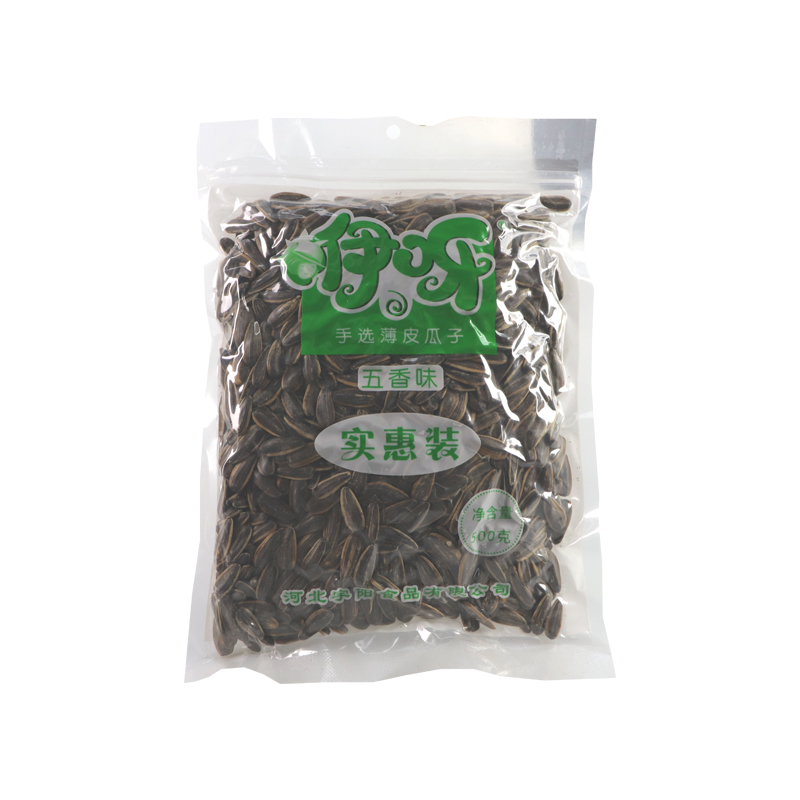
The performance of China sunflower seeds with shell is dictated by a complex interplay of physical and chemical properties. Shell strength, measured through impact resistance testing, directly influences the ability to withstand handling and transportation stresses. Kernel oil content, determined via Soxhlet extraction, is a primary determinant of nutritional value and flavor profile. Aflatoxin levels, assessed using HPLC (High-Performance Liquid Chromatography), are critical for food safety compliance. Moisture content, measured using a Karl Fischer titrator, must be maintained within specified limits to prevent microbial growth. The shell provides a protective barrier against oxidation, preserving oil quality and extending shelf life. Engineering considerations focus on minimizing shell damage during processing and storage. Package design plays a role in preventing mechanical stress and moisture ingress. Bulk density, influenced by seed size and shape, affects transportation costs and storage capacity. Environmental resistance is primarily related to humidity and temperature control; elevated temperatures accelerate lipid oxidation, while high humidity promotes mold growth. Compliance requirements adhere to national and international food safety regulations, including maximum allowable aflatoxin levels and permissible moisture content. The shell's role in mitigating oxidation is a significant engineering advantage over shelled sunflower kernels, although it also necessitates consumer effort for consumption.
Technical Specifications
| Parameter | Unit | Typical Value (Range) | Test Method |
|---|---|---|---|
| Kernel Oil Content | % | 48-58 | Soxhlet Extraction (GB/T 5009.4) |
| Moisture Content | % | 8-10 | Karl Fischer Titration (GB 5009.3) |
| Aflatoxin B1 | µg/kg | < 2 | HPLC (GB 5009.5) |
| Kernel Size (Average) | mm | 10-16 | Sieve Analysis |
| Shell Integrity (Cracking Rate) | % | < 5 | Visual Inspection/Impact Test |
| Foreign Matter (Maximum) | % | < 1 | Visual Inspection |
Failure Mode & Maintenance
Failure modes in China sunflower seeds with shell primarily relate to quality degradation during storage and handling. Rancidity, caused by lipid oxidation, is a common issue, characterized by an off-flavor and odor. This is accelerated by exposure to oxygen, light, and elevated temperatures. Aflatoxin contamination, resulting from Aspergillus flavus and Aspergillus parasiticus mold growth, represents a significant food safety hazard. Shell cracking increases susceptibility to insect infestation and moisture absorption, promoting mold growth and rancidity. Mechanical damage during transport can lead to kernel breakage and increased oil leakage. Maintenance, in this context, refers to preventative measures and proper storage protocols. These include maintaining low temperature and humidity (below 10°C and 65% respectively), protecting from direct sunlight, and utilizing airtight packaging. Regular inspection for signs of mold growth or insect infestation is crucial. First-in, first-out (FIFO) inventory management minimizes storage time. Periodic testing for aflatoxin levels and oil quality provides assurance of product safety and quality. Proper cleaning and sanitation of storage facilities are also essential to prevent contamination. Post-harvest treatments with antifungal agents may be employed, subject to regulatory approval.
Industry FAQ
Q: What are the key differences between Chinese sunflower seeds with shell and shelled sunflower kernels in terms of shelf life?
A: Sunflower seeds with the shell intact generally exhibit a longer shelf life due to the protective barrier provided by the shell. The shell reduces exposure to oxygen and moisture, mitigating lipid oxidation and microbial growth. Shelled kernels, being directly exposed, are more susceptible to rancidity and contamination, requiring more stringent storage conditions and potentially shorter expiration dates.
Q: What is the acceptable limit for aflatoxin content in sunflower seeds destined for the European Union market?
A: The European Union sets a maximum limit of 2.0 µg/kg for total aflatoxins (B1, B2, G1, and G2) in sunflower seeds, as per Regulation (EC) No 1881/2006. Compliance with this standard is a prerequisite for market access.
Q: How is the oil content of sunflower seeds measured, and what is considered a desirable range for export quality?
A: Oil content is typically determined using the Soxhlet extraction method, conforming to standards like GB/T 5009.4. For export quality, a desirable range is between 48% and 58%. Higher oil content generally commands a premium price.
Q: What impact does the drying process have on the quality of sunflower seeds with shell?
A: The drying process is critical. Improper drying – particularly at excessively high temperatures – can lead to protein denaturation, lipid oxidation, and reduced germination rate. Optimal drying involves maintaining temperatures below 45°C to preserve oil quality and minimize nutrient loss.
Q: What are the primary methods used to assess the physical integrity of the shell?
A: Shell integrity is assessed through visual inspection for cracks and damage, as well as impact resistance testing. The cracking rate – the percentage of seeds with compromised shells – is a key quality indicator. Sieving is also used to ensure uniform shell size.
Conclusion
China sunflower seeds with shell represent a complex agricultural product requiring rigorous quality control throughout the entire supply chain. From the fundamental material science of kernel oil content and shell composition to the critical engineering considerations of storage and transport, maintaining product integrity is paramount. Adherence to international standards regarding aflatoxin levels, moisture content, and shell integrity is essential for successful participation in global markets.
Future advancements may focus on improved harvesting techniques to minimize shell damage, optimized drying methods to preserve oil quality, and the development of novel packaging materials to enhance shelf life. Continued research into fungal growth inhibition and aflatoxin mitigation strategies will be crucial for ensuring food safety and maintaining consumer confidence. The industry’s success hinges on a commitment to technological innovation and stringent quality assurance protocols.
