Introduction
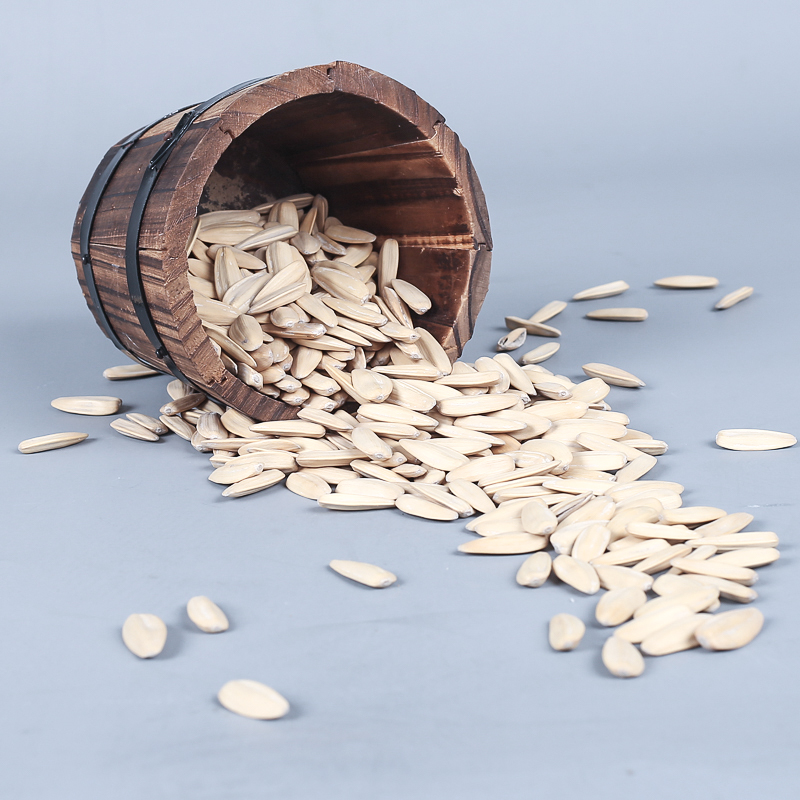
China sunflower seeds with shell for eating represent a significant segment of the global snack food market, positioned as a cost-effective and culturally relevant agricultural product. These seeds, derived from Helianthus annuus, are not a finished product in the traditional sense of highly processed snacks, but rather a minimally processed, whole-seed consumable. Their primary industrial position lies within the agricultural processing and snack food supply chain, bridging the gap between farm-level production and direct consumer consumption. Core performance characteristics are defined by kernel size, oil content, moisture content, shell integrity, and overall palatability—factors heavily influencing consumer acceptance and market pricing. A key industry pain point centers around consistent quality control, particularly mitigating aflatoxin contamination and ensuring optimal roast levels for both flavor and shelf life.
Material Science & Manufacturing
Sunflower seeds themselves are a complex biological matrix. The kernel is rich in linoleic acid (approximately 68-74% of total fatty acid content), proteins (around 20-25%), and carbohydrates (15-20%). The shell, composed primarily of cellulose, hemicellulose, and lignin, provides physical protection. Raw material selection is crucial, focusing on high-oil content varieties. Manufacturing begins with harvesting and drying to a moisture content of approximately 9-11% to prevent mold growth. Cleaning processes remove debris, immature seeds, and foreign matter. Critical parameters during processing include hulling (either pre- or post-roasting – each impacts flavor and texture), roasting temperature (typically 120-160°C, duration 20-40 minutes, depending on desired roast level), seasoning application (salt is common, but flavored varieties also exist), and sorting. Roasting induces Maillard reactions contributing to flavor development, but excessive temperatures lead to lipid oxidation and off-flavors. Shell integrity is paramount; cracked shells increase susceptibility to rancidity. Chemical compatibility is vital during seasoning application; additives must be food-grade and non-reactive with seed oils. Moisture migration post-seasoning is a key factor driving shelf life.
Performance & Engineering
The primary engineering consideration is maintaining optimal texture and flavor. Force analysis centers on shell cracking resistance during handling and consumption. The shell’s compressive strength must be sufficient to withstand packaging and transportation stresses without excessive breakage. Environmental resistance focuses on preventing moisture absorption, which leads to lipid hydrolysis and rancidity. Packaging plays a crucial role; hermetically sealed bags with oxygen absorbers are standard. Compliance requirements include adherence to food safety regulations (e.g., HACCP), aflatoxin limits (stringently regulated internationally), and permissible levels of heavy metals. Functional implementation revolves around achieving consistent roast profiles. Batch roasting requires precise temperature control and airflow management. Continuous roasting systems demand careful calibration of conveyor speed and heating elements. Thermal conductivity of the seeds and shell significantly impacts roasting uniformity. Statistical process control (SPC) is employed to monitor key parameters and maintain product consistency. Aflatoxin mitigation strategies, including pre-harvest field management and post-harvest drying protocols, are engineered to meet regulatory standards.
Technical Specifications
| Parameter | Unit | Typical Value | Acceptable Range |
|---|---|---|---|
| Kernel Oil Content | % (dry weight basis) | 50-55 | 48-58 |
| Moisture Content | % (wet basis) | 8-10 | 6-12 |
| Kernel Size (Average) | mm | 12-15 | 10-18 |
| Shell Strength (Cracking Force) | N | 50-80 | 40-100 |
| Aflatoxin B1 Level | ppb | <2 | <4 (Regulatory Limit) |
| Peroxide Value | meq O2/kg | <5 | <10 (Indicates Rancidity) |
Failure Mode & Maintenance
Common failure modes include rancidity (due to lipid oxidation), aflatoxin contamination (biological hazard), shell breakage (physical damage), and flavor deterioration (chemical changes during storage). Rancidity is accelerated by exposure to oxygen, light, and elevated temperatures. Aflatoxin contamination originates from Aspergillus molds and is influenced by pre-harvest conditions and inadequate drying. Shell breakage occurs during handling, packaging, and transportation, increasing susceptibility to oxidation and insect infestation. Flavor deterioration is linked to Maillard reaction products degrading over time or the formation of off-flavors from lipid oxidation. Maintenance strategies involve optimized storage conditions (cool, dry, dark), proper packaging (hermetically sealed with oxygen absorbers), and stringent quality control throughout the supply chain. Regular testing for aflatoxin and peroxide value is crucial. Implementing a First-In, First-Out (FIFO) inventory system minimizes storage duration. Preventive maintenance of roasting equipment ensures consistent temperature control and prevents uneven roasting. Regular cleaning of processing equipment minimizes mold growth and cross-contamination.
Industry FAQ
Q: What are the key factors influencing the shelf life of sunflower seeds with shell?
A: The primary factors are moisture content, oil content, oxygen exposure, temperature, and the integrity of the packaging. High moisture content accelerates lipid hydrolysis and mold growth. High oil content makes the seeds more susceptible to oxidation. Oxygen exposure promotes rancidity. Elevated temperatures accelerate degradation reactions. Impermeable packaging with oxygen absorbers is crucial to extend shelf life.
Q: How is aflatoxin contamination controlled during the production process?
A: Control measures begin in the field with proper cultivation practices and monitoring for fungal infections. Post-harvest, rapid and thorough drying is essential to reduce moisture content and inhibit mold growth. Strict quality control measures, including regular testing for aflatoxin levels, are implemented throughout the processing and packaging stages. Seeds exceeding regulatory limits are rejected.
Q: What is the optimal roasting profile for maximizing flavor and minimizing rancidity?
A: The optimal profile typically involves roasting at 130-150°C for 20-30 minutes, balancing flavor development with lipid oxidation prevention. Rapid cooling after roasting is critical to halt the roasting process and minimize further oxidation. Precise temperature control and airflow management are essential for achieving uniformity.
Q: What are the key differences between pre-hulled and post-hulled sunflower seeds in terms of quality and processing?
A: Pre-hulled seeds generally have a longer shelf life as the kernel is protected by the shell during roasting and seasoning. However, post-hulled seeds allow for more uniform seasoning application. Pre-hulled require more energy for hulling. Post-hulled are more susceptible to damage during processing which can impact flavor stability.
Q: How do different packaging materials affect the quality and shelf life of the finished product?
A: Metallized films and multilayer polymer structures with low oxygen transmission rates (OTR) are preferred. The inclusion of oxygen absorbers within the packaging further extends shelf life by removing residual oxygen. Packaging materials must also provide a moisture barrier to prevent humidity absorption. The integrity of the seal is paramount to maintain product quality.
Conclusion
China sunflower seeds with shell for eating represent a complex agricultural product requiring careful attention to material science, manufacturing processes, and quality control. The inherent variability of the raw material, coupled with the sensitivity of unsaturated oils to oxidation and the potential for aflatoxin contamination, necessitate a robust and meticulously managed supply chain. Optimizing roasting parameters, employing appropriate packaging materials, and implementing rigorous testing protocols are critical for ensuring product safety, maintaining optimal flavor, and maximizing shelf life.
Future trends will likely focus on enhanced aflatoxin mitigation technologies, improved packaging solutions utilizing biodegradable materials, and the development of novel flavor profiles to cater to evolving consumer preferences. Furthermore, advancements in precision agriculture and seed breeding will aim to enhance oil content and reduce susceptibility to fungal infections, further improving the overall quality and sustainability of this widely consumed snack food.
