Introduction
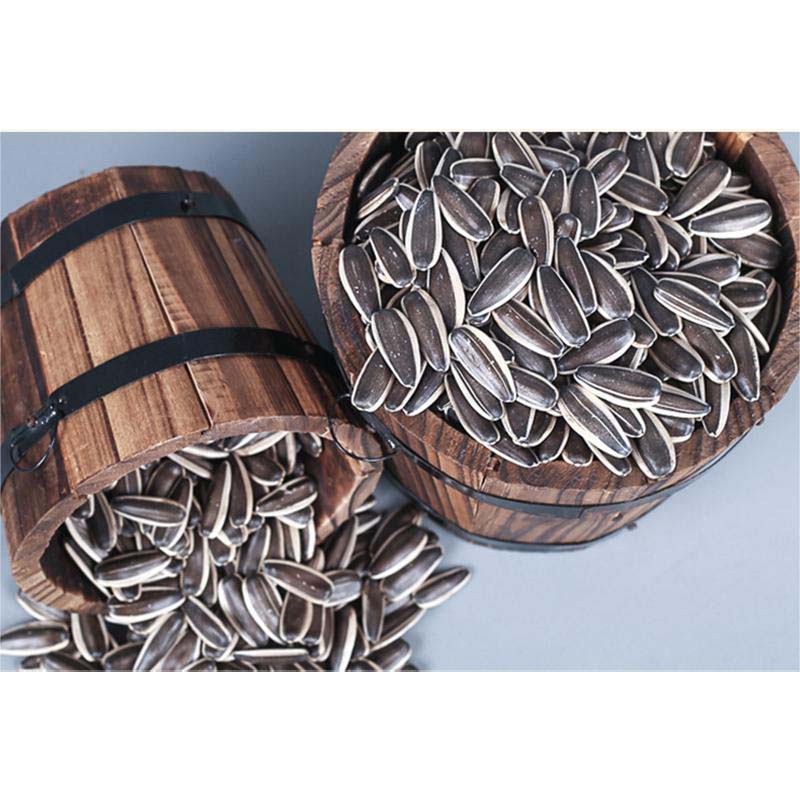
China sunflower seeds varieties represent a significant sector within the global oilseed and snack food industries. Positioned between agricultural production and consumer markets, these seeds undergo rigorous processing to achieve desired characteristics. They are classified based on oil content (high, mid, and low oleic), kernel size, shell thickness, and intended end-use – ranging from confectionary (direct human consumption) to oil extraction, and increasingly, for protein isolates. The technical position in the supply chain necessitates a focus on seed quality parameters, including moisture content, germination rate, and levels of aflatoxins and other contaminants. Core performance indicators are defined by oil yield, protein content, fatty acid profile, and physical attributes impacting shelling and processing efficiency. Maintaining consistently high quality is paramount for meeting both domestic demand and increasingly stringent international import regulations.
Material Science & Manufacturing
Sunflower seed composition centers around the kernel, comprising approximately 42-53% oil, 20-28% protein, 10-20% carbohydrate, and 5-10% fiber. The oil is primarily composed of triglycerides with linoleic, oleic, and palmitic acids being the dominant fatty acids. The shell, a byproduct of processing, is largely cellulose and lignin. Seed varieties are engineered for optimized fatty acid profiles. High-oleic varieties, bred through conventional methods and increasingly genetic modification, exhibit greater oxidative stability, extending shelf life and enhancing nutritional value. Manufacturing begins with seed selection and cleaning, followed by dehulling, kernel drying to specific moisture levels (typically 7-8%), and oil extraction via mechanical pressing (expelling) or solvent extraction (primarily hexane). Oil refining processes include degumming, neutralization, bleaching, and deodorization. Kernel processing involves roasting, seasoning, and packaging. Critical parameters include drying temperature (avoiding protein denaturation), solvent residue levels (in solvent extraction), and control of roasting parameters (Maillard reaction control for flavor development, acrylamide minimization). Aflatoxin contamination, primarily Aspergillus flavus, is a major concern, requiring stringent quality control measures throughout the production process, including pre-harvest management and post-harvest drying.
Performance & Engineering
Performance evaluation of sunflower seeds centers on oil yield and seed quality. Force analysis during dehulling dictates shell fracture strength and efficiency of kernel recovery. Environmental resistance is critical, particularly storage stability. Seeds must withstand fluctuations in temperature and humidity without significant quality degradation. Compliance requirements are extensive, encompassing food safety standards (e.g., maximum allowable levels of heavy metals, pesticides, and mycotoxins), labeling regulations (nutritional information, allergen statements), and traceability protocols. Functional implementation hinges on optimizing processing parameters for each seed variety. For confectionary seeds, roasting profiles are engineered to maximize flavor and texture while minimizing acrylamide formation. For oil extraction, pressing parameters (pressure, temperature, and feed rate) are optimized to maximize oil yield and minimize residual oil in the seed cake. Seed size and shape influence conveying and sorting equipment design. Kernel hardness affects milling efficiency during protein isolate production. Maintaining consistent seed moisture content is essential throughout processing to prevent equipment jamming and ensure uniform product quality.
Technical Specifications
| Oil Content (%) | Protein Content (%) | Moisture Content (%) | Aflatoxin Level (ppb) |
|---|---|---|---|
| 42-53 | 20-28 | 7-8 | ≤ 5 |
| 48-58 (High Oleic) | 22-30 | 6-7 | ≤ 2 |
| 38-45 (Low Oleic) | 18-25 | 8-9 | ≤ 10 |
| 45-55 (Confectionary) | 23-29 | 6-7 | ≤ 3 |
| 50-60 (Oil Extraction) | 25-32 | 7-8 | ≤ 4 |
| 40-50 (Protein Isolate) | 28-35 | 5-6 | ≤ 1 |
Failure Mode & Maintenance
Sunflower seed failure modes span biological degradation and physical damage. Biological failures include fungal contamination (aflatoxins, ochratoxins) due to improper drying and storage, insect infestation causing kernel damage and quality loss, and microbial growth impacting oil stability. Physical failures encompass kernel cracking during dehulling, shell fragmentation leading to increased fines and processing inefficiencies, and lipid oxidation resulting in rancidity and off-flavors. Failure analysis must differentiate between pre-harvest (field conditions, seed genetics) and post-harvest (processing, storage) causes. Maintenance of processing equipment is critical; regular cleaning and lubrication of dehulling machinery minimizes kernel damage. Temperature and humidity control in storage facilities prevent fungal growth and insect activity. Regular monitoring of seed quality parameters (moisture, oil content, aflatoxin levels) provides early detection of potential issues. Implementing a robust quality control system, including HACCP principles, is essential. Antioxidant addition during oil processing minimizes lipid oxidation. Storage maintenance involves regular inspection for pest infestation, temperature and humidity monitoring, and proper aeration to prevent moisture buildup.
Industry FAQ
Q: What are the primary factors contributing to aflatoxin contamination in sunflower seeds?
A: Aflatoxin contamination is primarily driven by Aspergillus flavus fungal growth, which thrives in warm, humid conditions. Pre-harvest stress on the plant (drought, insect damage) increases susceptibility. Improper post-harvest drying and storage exacerbate the problem. Seed varieties with thicker hulls exhibit greater resistance. Regular field monitoring, proper drying to <8% moisture content, and appropriate storage conditions are essential preventative measures.
Q: How does oil content impact the selection of sunflower seed varieties for different applications?
A: Higher oil content (typically >50%) is preferred for oil extraction, maximizing yield and minimizing processing costs. Mid-oleic varieties are suitable for a broader range of applications, including cooking oil and some confectionery uses. High-oleic varieties are favored for applications requiring greater oxidative stability, such as snack foods and longer shelf-life products.
Q: What are the critical considerations for maintaining seed viability during long-term storage?
A: Maintaining low moisture content (<8%), controlling storage temperature (ideally <15°C), and ensuring proper aeration are paramount. Airtight storage minimizes moisture absorption. Regular monitoring for insect infestation and fungal growth is essential. Using desiccant materials can further enhance moisture control.
Q: What analytical techniques are employed to assess the quality of sunflower seeds?
A: Key analytical techniques include moisture content determination (oven drying), oil content analysis (solvent extraction), protein content determination (Kjeldahl method), fatty acid profile analysis (gas chromatography), aflatoxin analysis (HPLC or ELISA), and germination rate testing.
Q: How do different dehulling methods affect kernel damage and oil yield?
A: Impact dehulling generally results in lower kernel damage but lower oil yield due to incomplete seed separation. Centrifugal dehulling offers higher throughput but can cause greater kernel fracturing. The optimal method depends on seed variety and processing goals. Careful adjustment of dehulling parameters (impact force, rotor speed) is crucial.
Conclusion
China sunflower seeds varieties represent a complex interplay of agronomic practices, material science, and processing engineering. Achieving consistent quality and maximizing yield requires meticulous attention to detail at every stage of the supply chain, from seed selection and cultivation to harvesting, drying, processing, and storage. Understanding the underlying material properties of the seed and kernel, alongside the impact of processing parameters on oil quality and kernel integrity, is fundamental to efficient and sustainable production.
Future development will likely focus on breeding for increased oil content, improved fatty acid profiles, and enhanced resistance to pests and diseases. Advancements in processing technologies, such as near-infrared spectroscopy for rapid quality assessment and optimized solvent extraction techniques, will further enhance efficiency and reduce environmental impact. Continued adherence to stringent food safety standards and traceability protocols is crucial for maintaining consumer confidence and ensuring continued market access.
