Introduction
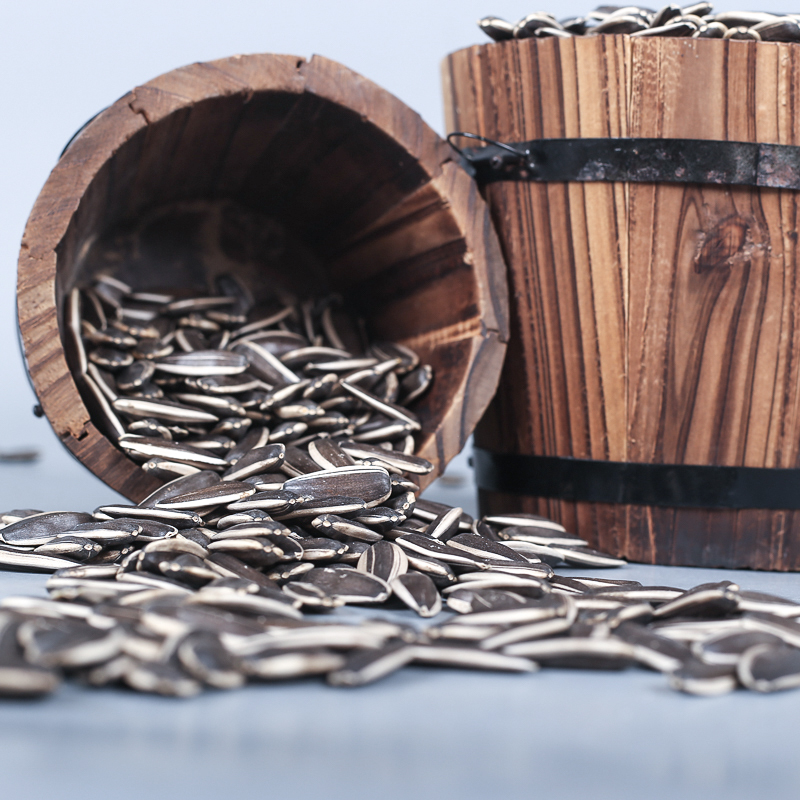
Unshelled China sunflower seeds represent a significant commodity within the global oilseed and snack food industries. Technically designated Helianthus annuus, these seeds are processed minimally, retaining the protective pericarp (hull) during handling and transport. This practice significantly impacts several key performance characteristics, including storage stability, processing efficiency in downstream applications (oil extraction, confectionary preparation), and susceptibility to mycotoxin contamination. China is a leading producer and exporter, with a complex supply chain encompassing diverse agricultural practices and post-harvest handling procedures. Understanding the inherent variability within unshelled seeds – determined by cultivar, growing region, and post-harvest treatment – is crucial for maintaining consistent quality and meeting stringent international food safety standards. The core challenge for buyers lies in accurately assessing seed viability, oil content, and the presence of contaminants, impacting profitability in subsequent processing stages. This guide provides a comprehensive technical overview of unshelled China sunflower seeds, addressing critical aspects from agricultural origins to potential failure modes and maintenance of quality.
Material Science & Manufacturing
Sunflower seeds, fundamentally, are biological structures comprising a seed coat (pericarp), kernel (cotyledons), and embryo. The pericarp, crucial in unshelled seeds, is composed primarily of cellulose, hemicellulose, and lignin, providing physical protection and contributing to water impermeability. Its thickness and strength vary based on cultivar and growing conditions. The kernel comprises approximately 50-65% oil, predominantly linoleic acid (a polyunsaturated omega-6 fatty acid), with significant levels of oleic acid (monounsaturated) and palmitic acid (saturated). Protein content typically ranges between 18-25%, with carbohydrates constituting around 10-15%. Manufacturing begins with field harvesting, often employing combine harvesters equipped with dehulling adjustment capabilities (though in this case, deliberately minimized). Post-harvest, cleaning and grading are critical. These processes utilize screeners to remove debris, foreign matter, and undersized or oversized seeds. Air separators remove lighter contaminants. Key parameters in this stage include screen mesh size, airflow velocity, and aspiration intensity, directly influencing seed purity. Drying is paramount, typically employing forced-air systems to reduce moisture content to 8-10% for optimal storage stability. Drying temperature must be carefully controlled (typically below 45°C) to prevent denaturation of proteins and oxidation of unsaturated fatty acids. Chemical treatments, such as fungicide applications, may be applied pre- or post-harvest to mitigate fungal growth, raising concerns about residual pesticide levels requiring rigorous monitoring. Packaging is usually in polypropylene woven bags or bulk containers, requiring consideration of moisture permeability and potential contamination from packaging materials.
Performance & Engineering
The primary engineering considerations for unshelled sunflower seeds relate to bulk handling, storage stability, and processing efficiency. Bulk density, influenced by seed size, shape, and moisture content, impacts storage capacity and conveying system design. Friction coefficient between seeds and conveying surfaces is crucial to prevent bridging and ensure consistent material flow. Storage stability is governed by factors affecting lipid oxidation and mycotoxin development. Lipid oxidation, driven by oxygen, temperature, and metal ion catalysis, leads to rancidity and reduced oil quality. Antioxidants, naturally present in sunflower seeds (vitamin E), contribute to oxidative stability but degrade over time. Mycotoxin contamination, particularly by aflatoxins produced by Aspergillus fungi, is a major concern, especially in humid climates. Controlling water activity (below 0.7) through proper drying and storage is essential to inhibit fungal growth. Downstream processing – typically oil extraction via mechanical pressing or solvent extraction – is affected by seed hardness and oil content. Harder seeds require higher energy input for cracking and pressing. Oil extraction efficiency is directly correlated with oil content and the integrity of the kernel. Force analysis during cracking and pressing operations is critical to optimize energy usage and minimize kernel damage. Environmental resistance considerations include protection from insect infestation during storage, requiring appropriate fumigation or inert gas storage techniques.
Technical Specifications
| Parameter | Unit | Typical Value (China Unshelled) | Standard Deviation |
|---|---|---|---|
| Moisture Content | % | 8-10 | ±1.5 |
| Oil Content (Dry Basis) | % | 48-58 | ±3 |
| Protein Content (Dry Basis) | % | 18-25 | ±2 |
| Kernel Damage (Broken/Split) | % | <5 | ±2 |
| Foreign Matter | % | <1 | ±0.5 |
| Aflatoxin B1 | ppb | <20 | ±5 |
Failure Mode & Maintenance
Unshelled sunflower seeds are susceptible to several failure modes. Lipid oxidation, leading to rancidity, is a primary degradation pathway, accelerated by exposure to oxygen, light, and elevated temperatures. This manifests as off-flavors and reduced oil quality, rendering the seeds unsuitable for direct consumption or high-value oil extraction. Mycotoxin contamination, particularly aflatoxin, is a critical safety concern. Fungal growth occurs under high humidity and temperature conditions, requiring stringent control of storage environments. Mechanical damage during handling and transportation – including kernel cracking and pericarp abrasion – reduces seed viability and increases susceptibility to insect infestation. Insect infestation, by storage pests such as Sitophilus granarius (grain weevil), causes significant weight loss and contamination. Maintenance of quality requires proper storage conditions (cool, dry, dark), regular monitoring for moisture content and mycotoxin levels, and implementation of effective pest control strategies. Preventive measures include thorough cleaning and drying of seeds post-harvest, airtight storage in appropriate packaging materials, and periodic fumigation or controlled atmosphere storage. For compromised batches, sorting to remove damaged seeds and testing for mycotoxin levels are crucial before further processing or consumption. Regular inspection of storage facilities for signs of infestation or mold growth is also essential.
Industry FAQ
Q: What is the acceptable level of moisture content for long-term storage of unshelled sunflower seeds?
A: The acceptable moisture content for long-term storage is generally considered to be 8-10%. Maintaining this level inhibits fungal growth and enzymatic activity, minimizing the risk of mycotoxin contamination and lipid oxidation. Moisture content exceeding 10% significantly increases the risk of spoilage, even under controlled temperature conditions.
Q: How do you assess the risk of aflatoxin contamination in a shipment of unshelled sunflower seeds?
A: Aflatoxin contamination is assessed through laboratory testing, typically using ELISA (Enzyme-Linked Immunosorbent Assay) or HPLC (High-Performance Liquid Chromatography) methods. Samples are taken from multiple locations within the shipment and analyzed for aflatoxin B1 levels. Regulatory limits vary by country, but typically range from 20 ppb to 50 ppb.
Q: What is the significance of kernel damage (broken/split kernels) in unshelled sunflower seeds?
A: Kernel damage indicates physical stress during handling or processing. Broken or split kernels have a reduced shelf life due to increased surface area exposed to oxygen, accelerating lipid oxidation. They are also more susceptible to insect infestation and fungal growth. High levels of kernel damage can significantly reduce the seed’s value and processing efficiency.
Q: What are the recommended storage conditions for unshelled sunflower seeds to maintain optimal quality?
A: Recommended storage conditions include a cool, dry, and dark environment. Optimal temperature is between 10-15°C (50-59°F) and relative humidity below 60%. Seeds should be stored in airtight containers or woven polypropylene bags with an inner polyethylene liner to prevent moisture absorption and insect access. Regular ventilation can also help maintain consistent conditions.
Q: How does cultivar selection impact the oil content and fatty acid profile of unshelled sunflower seeds?
A: Cultivar selection significantly influences oil content and fatty acid profile. High-oleic sunflower varieties, for example, contain a higher proportion of oleic acid, resulting in improved oxidative stability and longer shelf life. Different cultivars also exhibit variations in total oil content, ranging from approximately 45% to over 60% on a dry basis. Breeding programs continually aim to improve both oil yield and desirable fatty acid compositions.
Conclusion
Unshelled China sunflower seeds represent a complex agricultural product requiring meticulous attention to detail throughout the supply chain. Maintaining quality necessitates a comprehensive understanding of the material science – the interplay of pericarp composition, kernel oil content, and protein structure – alongside stringent control of manufacturing processes, including drying, cleaning, and storage. The susceptibility to lipid oxidation, mycotoxin contamination, and mechanical damage necessitates proactive mitigation strategies focused on optimal storage conditions and rigorous quality control measures.
Future advancements in sunflower seed production will likely focus on developing cultivars with enhanced oxidative stability, increased resistance to fungal pathogens, and improved processing characteristics. Implementing advanced sensing technologies for real-time monitoring of moisture content and mycotoxin levels during storage will further enhance quality control. Furthermore, sustainable agricultural practices aimed at minimizing pesticide use and promoting soil health are critical for ensuring the long-term viability and safety of this important commodity.
