Introduction
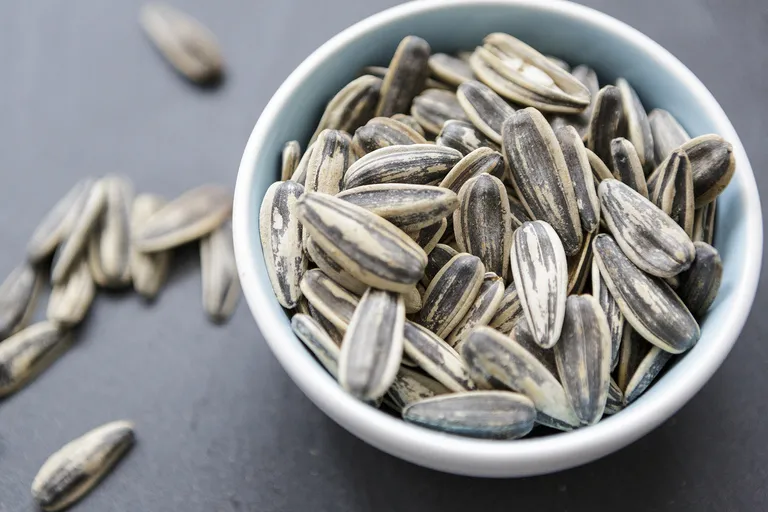
China sunflower seeds unsalted represent a significant commodity within the global snack food industry, originating from a substantial agricultural base within China. These seeds, Helianthus annuus, are processed primarily for direct human consumption, serving as a popular snack, particularly in Asia. Technically, they occupy a unique position within the broader oilseed market; while primarily consumed as a whole seed, a substantial portion of the resultant oil is co-produced during kernel extraction, contributing to the vegetable oil supply chain. Core performance characteristics center around kernel size, oil content, protein content, moisture levels, and the absence of defects such as damaged kernels or foreign material. The unsalted nature differentiates these seeds from flavored variants, appealing to consumers seeking a natural, less processed snack option, and placing greater emphasis on seed quality and inherent flavor profiles. The industry faces ongoing challenges related to maintaining consistent quality, managing aflatoxin levels, and optimizing harvesting and drying techniques to preserve nutritional value and shelf life.
Material Science & Manufacturing
The primary raw material, sunflower seeds, exhibits a complex biochemical composition. The kernel consists of approximately 40-50% oil, primarily linoleic acid (a polyunsaturated omega-6 fatty acid), with oleic acid present in varying proportions depending on the cultivar. Protein content ranges from 20-25%, largely comprising globulins and albumins. The hull, or pericarp, is composed primarily of cellulose and lignin, providing structural integrity. Manufacturing begins with harvesting, typically occurring in late summer/early autumn. Critical parameters during harvesting include minimizing mechanical damage to the kernel and avoiding pre-harvest sprouting. Post-harvest, seeds undergo cleaning to remove debris, and then drying is essential to reduce moisture content to approximately 8-10% to prevent mold growth and maintain viability. Drying methods include sun drying (traditional, but prone to contamination and inconsistent results) and mechanical drying utilizing heated air. Key parameters during drying are temperature (maintained below 45°C to avoid protein denaturation and oil oxidation) and airflow. Dehulling, though not always performed for unsalted seeds intended for whole-seed consumption, is a critical process for oil extraction and involves mechanical abrasion. Finally, grading and sorting are implemented to remove broken kernels, discolored seeds, and foreign materials. Optical sorting technologies are increasingly employed for precise quality control. Chemical compatibility considerations focus on preventing lipid oxidation, often mitigated through storage under nitrogen atmospheres and the addition of natural antioxidants (e.g., Vitamin E) to the seed itself during processing.
Performance & Engineering
Performance analysis of sunflower seeds focuses on several key engineering properties. Tensile strength, specifically the force required to fracture a kernel, is crucial for understanding processing parameters during dehulling and cracking. Moisture content directly impacts these mechanical properties; lower moisture levels generally increase brittleness. The seeds’ flowability characteristics are vital for efficient packaging and conveying systems. The angle of repose and bulk density are important parameters. Environmental resistance relates primarily to shelf life stability. Oxygen transmission rate (OTR) through packaging materials dictates the rate of lipid oxidation, leading to rancidity. Water vapor transmission rate (WVTR) influences moisture regain, potentially promoting mold growth. Packaging materials typically utilize multi-layer structures incorporating polyethylene, polypropylene, and aluminum foil to minimize both OTR and WVTR. Compliance requirements are stringent, particularly regarding aflatoxin levels. Maximum permissible levels are regulated by national and international bodies (detailed in the Standards & Regulations section). Functional implementation concerns center around maintaining the inherent nutritional value of the seeds. Minimizing heat exposure during processing and utilizing protective packaging are essential for preserving oil quality, protein integrity, and vitamin content. Seed size consistency is also important for consumer acceptance and automated packaging operations.
Technical Specifications
| Parameter | Unit | Specification | Test Method |
|---|---|---|---|
| Moisture Content | % | ≤ 10.0 | GB 5005-2008 |
| Oil Content (Dry Basis) | % | 40-50 | ISO 659-1998 |
| Protein Content (Dry Basis) | % | 20-25 | GB/T 5009.3-2016 |
| Kernel Size (Average Length) | mm | 10-15 | Visual Inspection/Image Analysis |
| Broken Kernels | % | ≤ 5.0 | Visual Inspection |
| Foreign Matter | % | ≤ 1.0 | Visual Inspection |
| Aflatoxin B1 | µg/kg | ≤ 2.0 | HPLC – EN 16687:2015 |
Failure Mode & Maintenance
Failure modes for china sunflower seeds unsalted typically manifest as quality degradation rather than catastrophic failure. Lipid oxidation is a primary concern, leading to rancidity and off-flavors. This process is accelerated by exposure to oxygen, light, and elevated temperatures. Failure analysis reveals the presence of oxidation byproducts such as aldehydes and ketones. Another common issue is moisture regain, resulting in mold growth and aflatoxin contamination. This is especially prevalent in improperly stored seeds. Physical damage to kernels, occurring during harvesting or processing, can lead to increased susceptibility to microbial attack. Delamination of the kernel, where the cotyledons separate, can also occur due to improper drying or mechanical stress. Maintenance strategies focus on preventative measures. Optimal storage conditions involve maintaining low temperature (below 15°C) and humidity (below 65%) in airtight containers. Nitrogen flushing of packaging prior to sealing further reduces oxygen levels. Regular monitoring of aflatoxin levels is crucial. Employing first-in, first-out (FIFO) inventory management ensures that older batches are utilized before newer ones, minimizing the risk of prolonged storage and degradation. Proper cleaning and sanitation of processing equipment are also essential to prevent microbial contamination.
Industry FAQ
Q: What is the significance of kernel size consistency, and how is it controlled?
A: Kernel size consistency is vital for uniform roasting (if applicable) and efficient packaging. Variations in size can lead to uneven processing and difficulty in filling packaging efficiently. Control is achieved through selection of high-yielding, uniform cultivars, careful harvesting practices to minimize kernel damage, and precise grading and sorting processes using mechanical sieves and optical sorting technologies.
Q: How do different drying methods impact the final product quality?
A: Sun drying, while cost-effective, is prone to inconsistencies and contamination. Mechanical drying with controlled temperature and airflow offers superior quality control. However, excessively high temperatures during mechanical drying can denature proteins and initiate lipid oxidation. Optimal drying parameters balance speed and quality preservation.
Q: What are the primary challenges in maintaining low aflatoxin levels?
A: Aflatoxin contamination is a major food safety concern. Challenges include pre-harvest contamination in the field due to fungal infection, inadequate drying leading to mold growth during storage, and cross-contamination during processing. Mitigation strategies include utilizing resistant cultivars, proper drying techniques, strict storage conditions, and regular testing.
Q: What packaging materials are most effective in preserving freshness and extending shelf life?
A: Multi-layer packaging incorporating polyethylene (for moisture barrier), polypropylene (for strength), and aluminum foil (for oxygen and light barrier) are most effective. Modified atmosphere packaging (MAP) utilizing nitrogen flushing further enhances shelf life by displacing oxygen. The thickness and composition of each layer are optimized based on the desired shelf life and storage conditions.
Q: How does the oil content affect the shelf life and overall quality of the sunflower seeds?
A: Higher oil content generally correlates with a shorter shelf life due to increased susceptibility to lipid oxidation. The type of fatty acids present also influences stability; seeds with a higher proportion of oleic acid are more resistant to oxidation than those with predominantly linoleic acid. Maintaining low moisture content and utilizing antioxidant packaging materials are crucial for preserving oil quality.
Conclusion
China sunflower seeds unsalted represent a complex agricultural product requiring rigorous control across the entire supply chain, from cultivation to packaging. Maintaining optimal moisture content, minimizing physical damage, and preventing lipid oxidation are paramount to preserving product quality and ensuring consumer safety. Stringent adherence to international standards regarding aflatoxin levels is non-negotiable. The successful production and export of these seeds hinges on a comprehensive understanding of material science, manufacturing processes, and environmental factors influencing shelf life.
Future trends will likely focus on developing sunflower cultivars with enhanced resistance to fungal contamination and improved oil profiles. Implementing more sophisticated monitoring systems for aflatoxin detection and employing sustainable packaging materials will also be critical. Furthermore, optimizing drying technologies to minimize energy consumption and reduce environmental impact represents an ongoing area of research and development within the industry.
