Introduction
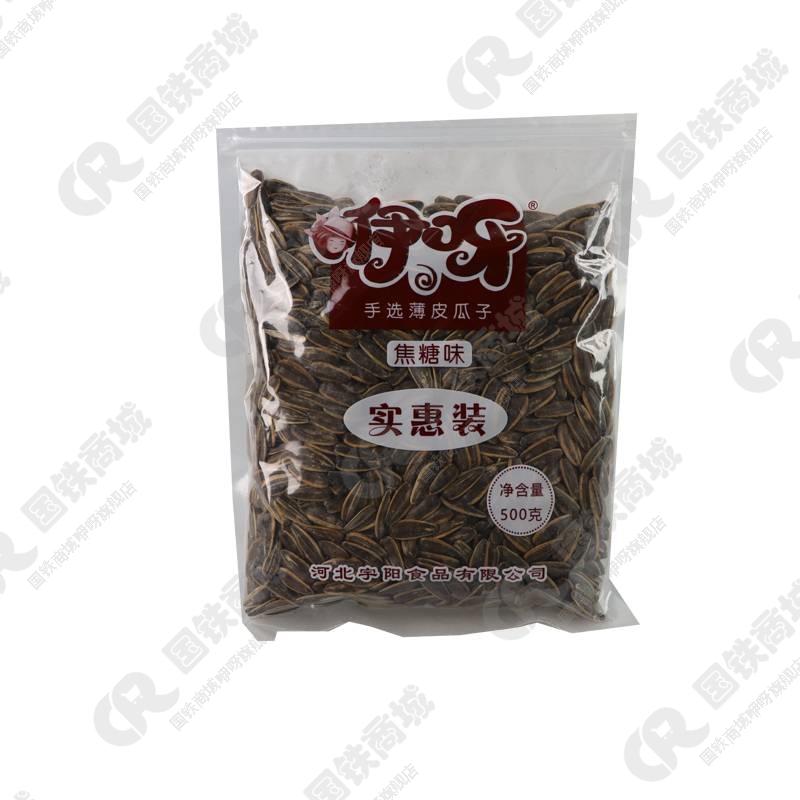
Toasted sunflower seeds represent a significant segment within the global edible seed market, particularly originating from China, the world's largest sunflower seed producer. These seeds, Helianthus annuus, are processed via a controlled heating process to develop characteristic flavors and textures appealing to both direct consumption and inclusion in processed foods. This technical guide provides an in-depth examination of the material science, manufacturing processes, performance characteristics, potential failure modes, and relevant industry standards associated with china sunflower seeds toasted. A core industry pain point is maintaining consistent seed quality, roasting uniformity, and ensuring compliance with stringent food safety regulations for export markets. This guide aims to provide a comprehensive technical reference for procurement managers, quality control engineers, and food processing professionals dealing with this commodity.
Material Science & Manufacturing
Sunflower seeds consist of approximately 35-45% oil, primarily linoleic acid (an omega-6 fatty acid), 20-25% protein, 15-20% carbohydrate (primarily cellulose and hemicellulose in the shell), and 5-10% moisture. The hull, or pericarp, is composed of cellulose and lignin, providing structural integrity. Manufacturing begins with harvesting and drying to a moisture content of approximately 8-10% to prevent fungal growth and enzymatic activity. Toasting is achieved through various methods: dry roasting (using heated air), oil roasting (immersed in oil), or vacuum roasting (reduced pressure). Dry roasting, favored for lower oil absorption, typically occurs between 120-180°C for 15-30 minutes, depending on seed size and desired roast level. Oil roasting, often utilizing vegetable oils, imparts a different flavor profile. Key parameter control during roasting includes temperature uniformity, airflow (in dry roasting), oil temperature (in oil roasting), and residence time. Uneven heating can lead to rancidity and textural defects. Post-roasting processes include cooling, dehulling (removal of the shell – often mechanical abrasion), seasoning (salt, flavoring agents), and sorting (removal of damaged or discolored seeds). Seed size, originating from specific sunflower cultivars, directly influences roasting time and uniformity; larger seeds require longer processing. The Maillard reaction, a non-enzymatic browning reaction between amino acids and reducing sugars, is crucial in flavor development. Controlling this reaction through precise temperature management is paramount.
Performance & Engineering
The performance of toasted sunflower seeds is assessed based on several key engineering parameters. Moisture content, ideally below 5% post-roasting, is critical for preventing microbial growth and maintaining shelf life. Water activity (Aw) is a more precise measure of available water, influencing stability. Shear force analysis determines the textural characteristics - ideal seeds exhibit a crisp, brittle fracture. Oil stability, measured by the Rancimat method, quantifies the resistance to oxidation. The Peroxide Value (PV) and Anisidine Value (AV) are further indicators of lipid oxidation. Force analysis during dehulling operations is important for minimizing seed breakage. Environmental resistance considers the impact of temperature and humidity on seed quality during storage and transport. High humidity accelerates rancidity. Packaging materials with low oxygen transmission rates (OTR) and water vapor transmission rates (WVTR) are essential. Compliance requirements include adherence to food safety standards such as HACCP (Hazard Analysis and Critical Control Points), and regulations regarding aflatoxin levels (typically less than 20 ppb) and pesticide residues. The structural integrity of the seed (hull strength before dehulling, kernel integrity after dehulling) influences processing efficiency and yield. Proper roasting optimizes these properties by denaturing proteins and enhancing cellular structure.
Technical Specifications
| Parameter | Units | Typical Range (China Sunflower Seeds Toasted) | Test Method |
|---|---|---|---|
| Moisture Content | % | 2.0 – 4.0 | Oven Drying (GB 5005-2008) |
| Oil Content | % | 45 – 55 | Soxhlet Extraction (GB/T 5005-2008) |
| Protein Content | % | 20 – 25 | Kjeldahl Method (GB 5009.3-2016) |
| Aw (Water Activity) | - | < 0.6 | Water Activity Meter (ASTM E337-93) |
| Peroxide Value (PV) | meq O2/kg | < 5.0 | Titration (GB/T 38630-2010) |
| Rancidity (Sensory Evaluation) | Score (1-5) | > 3.0 (Acceptable) | Sensory Panel (GB/T 29887-2013) |
Failure Mode & Maintenance
Common failure modes for toasted sunflower seeds include rancidity (oxidative degradation of lipids, leading to off-flavors), textural softening (loss of crispness due to moisture absorption or lipid hydrolysis), shell fracture (during processing or transport), and microbial contamination (molds, yeasts). Rancidity is accelerated by exposure to oxygen, light, and heat. Textural softening is often linked to inadequate roasting or improper storage. Shell fracture reduces visual appeal and increases the risk of kernel damage. Maintenance strategies involve proper storage in airtight containers, protected from light and heat. Regular monitoring of moisture content, Aw, and PV is crucial. Implementing a First-In, First-Out (FIFO) inventory system minimizes storage time. Packaging should employ materials with excellent barrier properties. Dehulling equipment requires routine inspection and maintenance to prevent seed damage. Cleaning and sanitation protocols are essential to prevent microbial contamination. Preventative maintenance of roasting equipment ensures temperature uniformity and consistent processing. Aflatoxin contamination is a significant concern; sourcing from reputable suppliers with robust quality control systems is paramount. Failure analysis should involve sensory evaluation, chemical analysis (PV, AV), and microscopic examination to identify root causes.
Industry FAQ
Q: What is the optimal moisture content for long-term storage of toasted sunflower seeds?
A: The optimal moisture content for long-term storage is between 2.0% and 3.0%. Maintaining this low moisture level inhibits microbial growth and minimizes lipid oxidation, preserving both flavor and texture. Regular monitoring with a moisture analyzer is recommended.
Q: How does the roasting method (dry vs. oil) affect the shelf life of the seeds?
A: Dry-roasted seeds generally exhibit a longer shelf life than oil-roasted seeds. This is because oil roasting introduces additional lipids which are more susceptible to oxidation. Vacuum roasting further extends shelf life by minimizing oxygen exposure.
Q: What are the key considerations when selecting packaging materials for toasted sunflower seeds?
A: Key considerations include low oxygen transmission rate (OTR), low water vapor transmission rate (WVTR), and light barrier properties. Materials like metallized polyester or aluminum foil laminates are commonly used to protect against oxidation and moisture absorption.
Q: What is the significance of the Peroxide Value (PV) in quality control?
A: The Peroxide Value (PV) is a primary indicator of early-stage lipid oxidation. A rising PV signals the onset of rancidity. Monitoring PV levels regularly allows for proactive identification of potential quality issues and timely corrective actions.
Q: What regulatory limits regarding aflatoxin levels should be considered for export markets?
A: Aflatoxin limits vary by country. The European Union (EU) typically sets a limit of 2 ppb for total aflatoxins in food products, while the US FDA has limits ranging from 20 ppb. It's essential to verify the specific regulations of the target export market.
Conclusion
China sunflower seeds toasted represent a complex product requiring careful control across the entire supply chain, from seed selection and roasting parameters to packaging and storage. Maintaining optimal moisture content, minimizing lipid oxidation, and ensuring compliance with stringent food safety standards are paramount for delivering a high-quality, shelf-stable product. Understanding the material science principles and potential failure modes allows for proactive implementation of preventative maintenance and quality control measures.
Further research into optimizing roasting profiles, exploring novel packaging materials with enhanced barrier properties, and developing rapid, non-destructive methods for assessing seed quality will continue to enhance the value and competitiveness of this commodity in the global market. Collaboration between growers, processors, and packaging manufacturers is critical for driving innovation and ensuring consistent product quality.
