Introduction
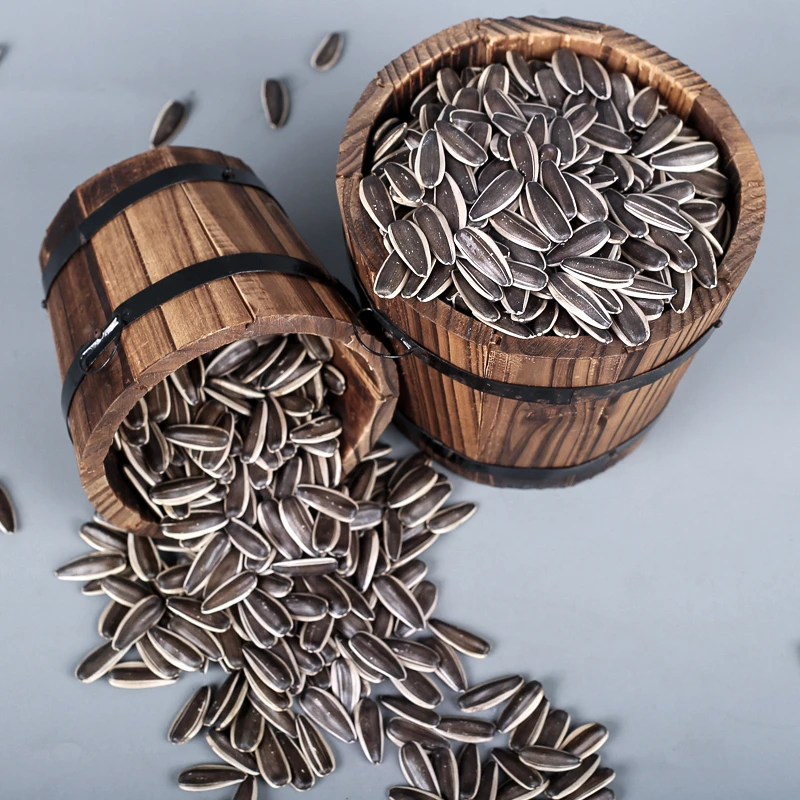
China sunflower seeds snacks premium represent a significant segment within the global snack food industry, particularly within the context of impulse purchases and traditional snacking habits prevalent across East Asia and increasingly in Western markets. These snacks typically consist of roasted sunflower seeds, often flavored with a variety of seasonings ranging from simple salt to complex spice blends. The production process, while seemingly straightforward, involves critical quality control measures pertaining to seed selection, roasting parameters, flavoring application, and packaging to ensure product safety, palatability, and shelf life. This guide provides an in-depth technical analysis of these snacks, covering material science, manufacturing techniques, performance characteristics, potential failure modes, and relevant industry standards. The core industry pain points revolve around maintaining consistent seed quality (size, oil content, and germination rate), preventing rancidity due to lipid oxidation, achieving uniform flavoring distribution, and ensuring compliance with food safety regulations regarding mycotoxin contamination and heavy metal limits. The premium designation typically indicates a higher grade of sunflower seed, sophisticated flavoring profiles, and enhanced packaging designed for optimal freshness preservation.
Material Science & Manufacturing
The primary raw material, sunflower seeds ( Helianthus annuus), exhibits considerable variability in its chemical and physical properties. Seed composition typically includes 40-50% oil (primarily linoleic acid, a polyunsaturated fatty acid), 20-30% protein, 15-20% carbohydrate (primarily cellulose and starch), and 5-10% moisture. Seed size and density also vary significantly depending on the cultivar and growing conditions. The oil content is critical, as it directly impacts the roasting process and susceptibility to rancidity. Manufacturing begins with seed selection and cleaning, removing foreign matter and damaged seeds. Roasting is the crucial process, typically conducted in rotating drum roasters at temperatures between 120-160°C. Precise temperature control is paramount; insufficient roasting leads to a bland flavor and poor texture, while over-roasting causes scorching and develops undesirable off-flavors. Following roasting, seeds are often cooled rapidly to halt the cooking process and minimize oil migration. Flavoring is then applied, either through dry blending with powdered seasonings or through a coating process using a liquid flavor slurry. Packaging is typically done in multi-layer films designed to provide a barrier against oxygen, moisture, and light. Key parameters during manufacturing include moisture content (controlled to typically < 8%), oil acidity (monitored for quality), and flavor coating uniformity (assessed visually and through laboratory analysis of flavor concentration). Seed variety affects the shell thickness which necessitates adjustments in roasting time and temperature. Maintaining appropriate seed water activity (aw) is critical to prevent microbial growth and maintain product stability.
Performance & Engineering
The performance of china sunflower seeds snacks premium is evaluated based on several key engineering parameters. Firstly, tribological properties – the texture and ‘mouthfeel’ – are crucial. This is assessed through sensory panels and instrumental texture analysis (measuring hardness, crispness, and brittleness). A desirable snack offers a satisfying ‘crack’ upon biting and a consistent texture throughout. Secondly, shelf life is a critical performance indicator. Lipid oxidation is the primary degradation pathway, leading to rancidity and off-flavors. Shelf life is determined through accelerated storage studies, monitoring peroxide value (PV) and p-anisidine value (AV) as indicators of oxidation. Packaging material selection is engineered to minimize oxygen transmission rate (OTR) and moisture vapor transmission rate (WVTR) to extend shelf life. Thirdly, flavor retention – the ability of the seeds to maintain their flavor intensity over time – is important. This is affected by flavor compound volatility and diffusion rates. Coating formulations are engineered to minimize flavor loss. Furthermore, compliance with food safety regulations is paramount. This includes limits on heavy metal contamination (lead, cadmium, arsenic) as defined by regulatory bodies, and stringent controls on mycotoxin levels (aflatoxins, ochratoxins) through rigorous raw material sourcing and quality control procedures. The snack's resistance to compression during transport and storage is also engineered to prevent breakage and maintain product integrity. Finite element analysis can be used to optimize packaging design for impact resistance.
Technical Specifications
| Parameter | Unit | Specification (Premium Grade) | Test Method |
|---|---|---|---|
| Moisture Content | % (w/w) | ≤ 7.0 | AOAC 925.10 |
| Oil Content | % (w/w) | 48-52 | Soxhlet Extraction (AOAC 920.39) |
| Acid Value | mg KOH/g | ≤ 0.5 | Titration (AOCS Cd 3-63) |
| Peroxide Value (Initial) | meq O₂/kg | ≤ 2.0 | Titration (AOCS Cd 8-53) |
| Broken Seed Percentage | % (w/w) | ≤ 5.0 | Visual Inspection |
| Foreign Matter | % (w/w) | ≤ 0.5 | Visual Inspection |
Failure Mode & Maintenance
Common failure modes for china sunflower seeds snacks premium include rancidity (oxidative degradation of lipids, leading to off-flavors), flavor loss (due to volatilization or diffusion of flavor compounds), textural changes (loss of crispness due to moisture absorption or staling), and shell breakage (resulting from mechanical stress during handling and transport). Rancidity is often identified by a detectable increase in peroxide value and the development of unpleasant odors. Flavor loss can be minimized through optimized packaging and coating formulations. Textural changes are addressed by controlling moisture content and utilizing packaging materials with low WVTR. Shell breakage is mitigated through careful handling procedures and the use of cushioning materials in packaging. A critical failure mode related to seed quality is mycotoxin contamination, requiring stringent supplier auditing and routine testing. Maintenance, in this context, refers to proper storage conditions. Products should be stored in a cool, dry, and dark environment to minimize oxidation and flavor loss. Temperature fluctuations should be avoided. Packaging should be inspected regularly for breaches in the barrier properties. For retailers, implementing a first-in, first-out (FIFO) stock rotation system is crucial to minimize the risk of exceeding shelf life. Effective pest control within storage facilities is also vital to prevent contamination and seed damage. Regular monitoring of critical control points (CCPs) throughout the supply chain, based on HACCP principles, is essential for maintaining product safety and quality.
Industry FAQ
Q: What is the impact of sunflower seed variety on the final snack quality?
A: Sunflower seed variety significantly impacts snack quality. Different cultivars exhibit variations in oil content, protein content, shell thickness, and seed size. Higher oil content generally leads to a richer flavor but also increases susceptibility to rancidity. Shell thickness affects the ease of processing and the proportion of edible kernel. Seed size influences the textural profile of the snack. Premium snacks often utilize specific cultivars known for their desirable characteristics.
Q: How is rancidity controlled during manufacturing and storage?
A: Rancidity is controlled through a multi-faceted approach. During manufacturing, rapid cooling after roasting minimizes residual heat and slows oxidation. The addition of antioxidants (e.g., Vitamin E, rosemary extract) can inhibit lipid oxidation. Packaging with low OTR is crucial. During storage, maintaining cool temperatures and protecting from light reduces the rate of oxidation. Regular monitoring of peroxide value (PV) is essential for quality control.
Q: What are the key considerations for flavor coating application?
A: Key considerations include flavor adhesion, uniformity of coating, and flavor stability. Coating formulations must be compatible with the seed surface and adhere effectively. Application parameters (e.g., spray rate, drying temperature) must be optimized to achieve a uniform coating without clumping. Flavor compounds should be stable during storage and resistant to volatilization.
Q: How are mycotoxin levels monitored and controlled?
A: Mycotoxin levels are controlled through rigorous supplier qualification, raw material testing, and process controls. Suppliers are audited to ensure adherence to good agricultural practices (GAP). Raw materials are tested for aflatoxins and ochratoxins using methods like ELISA or HPLC. Storage facilities are monitored to prevent mold growth. Regular testing of finished products verifies compliance with regulatory limits.
Q: What packaging materials are best suited for preserving the quality of sunflower seeds snacks?
A: Multi-layer films offering excellent barrier properties are optimal. Typically, this involves a combination of polyethylene (PE), polypropylene (PP), and aluminum foil or a metallized layer to minimize OTR and WVTR. The specific composition depends on the desired shelf life and cost considerations. Modified atmosphere packaging (MAP), using nitrogen flushing to displace oxygen, can further extend shelf life.
Conclusion
China sunflower seeds snacks premium represent a technically nuanced product category. Achieving consistent quality and safety requires meticulous attention to detail throughout the entire supply chain, from seed sourcing and roasting parameters to flavoring application and packaging selection. Lipid oxidation and mycotoxin contamination are the primary challenges that must be proactively addressed through robust quality control measures and adherence to international standards. The interplay between material science, manufacturing engineering, and food safety regulations is critical for delivering a palatable, stable, and safe snack product.
Future developments in this sector may focus on innovative coating technologies to enhance flavor retention and nutritional value, sustainable packaging materials with improved barrier properties, and advanced monitoring techniques for real-time assessment of product quality and shelf life. Continuous optimization of roasting profiles to minimize acrylamide formation, a potential carcinogen, will also be an ongoing area of research. Furthermore, exploring novel flavoring agents and incorporating functional ingredients (e.g., prebiotics, antioxidants) could enhance the appeal and health benefits of these snacks.
