Introduction
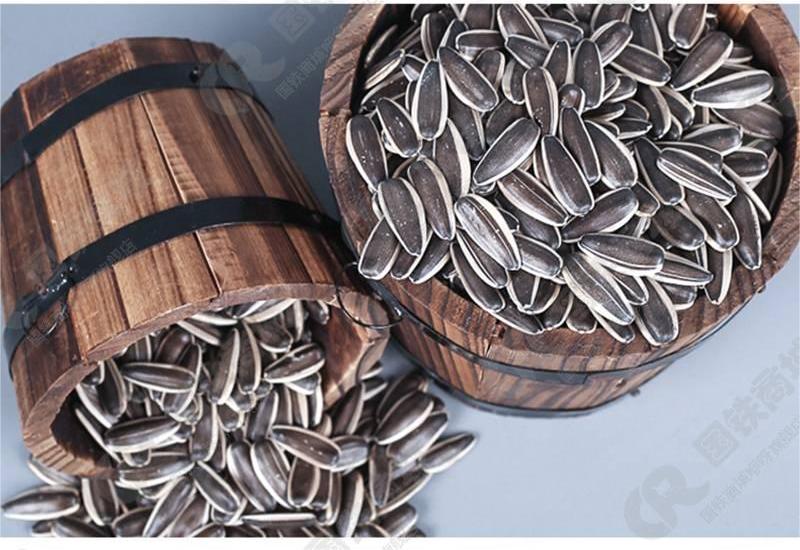
China sunflower seeds, Helianthus annuus, represent a significant commodity in the global agricultural market. Positioned within the edible oilseed and snack food supply chains, they are valued for their high oil content, protein, and nutritional profile. This technical guide provides an in-depth analysis of sunflower seed production, focusing on the key factors influencing quality, processing techniques, and relevant industry standards. Core performance characteristics encompass oil yield, protein content, fatty acid composition, hull content, and moisture levels, all critical determinants of value for both oil extraction and direct consumption applications. The industry faces ongoing challenges related to aflatoxin contamination, seed viability, and maintaining consistent quality across diverse growing regions. Optimizing these factors is paramount for meeting both domestic and international food safety regulations.
Material Science & Manufacturing
Sunflower seeds are composed primarily of oil (35-58%), protein (18-25%), fiber (20-30%), and moisture (8-12%). The oil consists largely of linoleic acid (typically 60-75%), oleic acid (15-30%), and palmitic acid (4-7%). Seed coat composition includes cellulose, hemicellulose, and lignin, conferring structural integrity. Manufacturing begins with seed selection and cultivation, heavily influenced by soil composition, climate, and genetic variety (oilseed vs. confectionary). Harvesting typically occurs when the seed moisture content reaches approximately 18-20%. Post-harvest processing involves drying to reduce moisture to 9-10% for storage, cleaning to remove debris, dehulling (for confectionary seeds), and grading based on size and quality. Dehulling utilizes mechanical abrasion and air separation techniques. Parameter control during drying is crucial; excessive temperatures (>60°C) can degrade oil quality and protein denature. Seed grading employs sieve analysis and visual inspection for defects. Further processing involves oil extraction via mechanical pressing or solvent extraction (typically hexane), followed by refining, bleaching, and deodorizing to yield edible oil. Confectionary seeds undergo seasoning and packaging for direct consumer consumption.
Performance & Engineering
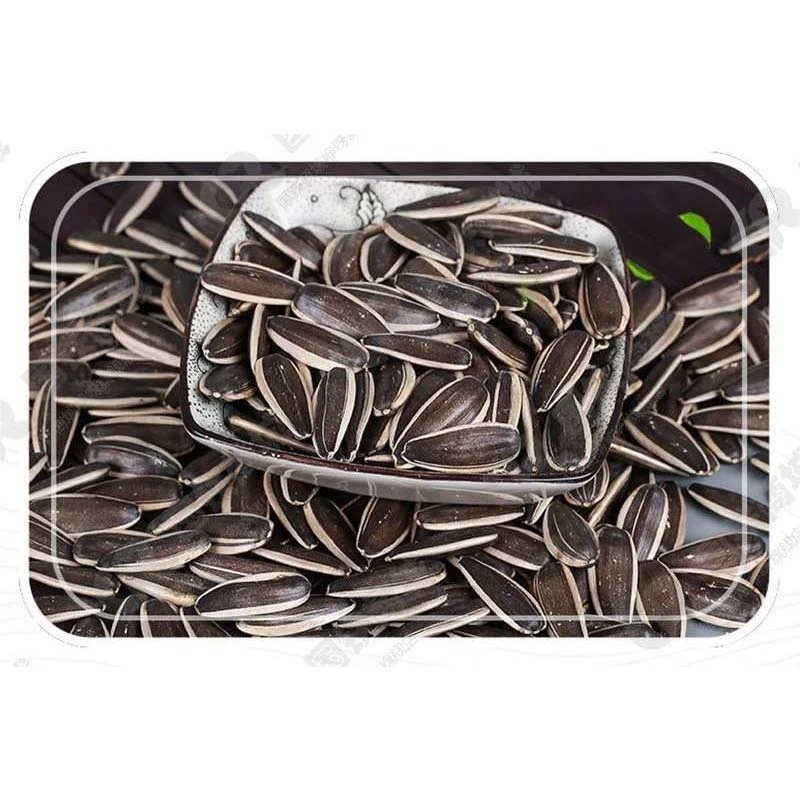
Performance assessment centers around several key engineering properties. Tensile strength of the seed coat is critical during dehulling; lower strength leads to increased breakage and yield loss. Friction coefficient influences seed flow in processing equipment, impacting efficiency. Thermal conductivity dictates drying rates and energy consumption. The oil expulsion force required during mechanical pressing is directly related to seed density and oil content. Environmental resistance is paramount for storage; controlling temperature and humidity prevents mold growth and aflatoxin production. Aflatoxin levels must adhere to strict regulatory limits (e.g., <20 ppb in many jurisdictions). Compliance requirements include adherence to HACCP principles, ISO 22000 food safety management systems, and relevant national regulations concerning pesticide residues and heavy metal content. Packaging materials must provide a barrier against moisture, oxygen, and light to maintain oil quality and prevent rancidity. Material selection considers permeability characteristics and regulatory compliance for food contact applications. Force analysis during dehulling focuses on optimizing abrasion parameters to minimize seed damage and maximize kernel recovery.
Technical Specifications
| Parameter | Oilseed Variety | Confectionary Variety | Units |
|---|---|---|---|
| Oil Content (Dry Basis) | 48-58 | 35-45 | % |
| Protein Content (Dry Basis) | 18-24 | 20-26 | % |
| Linoleic Acid (%) | 60-75 | 55-70 | % of Total Fatty Acids |
| Oleic Acid (%) | 15-30 | 20-40 | % of Total Fatty Acids |
| Hull Content (Dehulled) | < 2 | < 1 | % |
| Moisture Content (Storage) | 9-10 | 9-10 | % |
Failure Mode & Maintenance
Common failure modes in sunflower seed quality include aflatoxin contamination, particularly during prolonged storage in humid conditions. This is a biological failure related to fungal growth (Aspergillus flavus). Physical failures include seed cracking during dehulling (due to excessive abrasion or brittle seed coats), leading to yield loss and increased fines. Chemical degradation of oil occurs via oxidation and rancidity, exacerbated by exposure to light, oxygen, and high temperatures. This manifests as off-flavors and reduced nutritional value. Seed viability decline during storage impacts germination rates for subsequent planting. Maintenance strategies involve rigorous cleaning and sanitation of processing equipment to minimize fungal contamination. Proper drying and storage in climate-controlled environments (low temperature, low humidity) are critical for preventing aflatoxin formation and oil degradation. Regular monitoring of aflatoxin levels is essential. Preventive maintenance on dehulling equipment includes adjusting abrasion parameters and replacing worn parts. Antioxidant packaging materials can mitigate oil oxidation. Seed viability is maintained through appropriate storage conditions and seed treatment (e.g., fungicide application) where permitted by regulations.
Industry FAQ
Q: What are the key differences in quality control between oilseed and confectionary sunflower seed production?
A: Oilseed production prioritizes oil yield and fatty acid composition, with less emphasis on kernel integrity. Quality control focuses on oil content, free fatty acid levels, and minimizing contaminants. Confectionary production, however, requires stringent control of kernel size, shape, and the absence of hull fragments. Aflatoxin levels are critical for both, but visual defects are more impactful in confectionary applications.
Q: How does the genotype of the sunflower seed influence its processing characteristics?
A: Different genotypes exhibit variations in seed coat hardness, oil content, and fatty acid profiles. Harder seed coats require more aggressive dehulling parameters, potentially increasing breakage. Higher oil content simplifies extraction but may also influence oil quality. Fatty acid composition impacts the stability and functionality of the resulting oil.
Q: What are the primary methods for mitigating aflatoxin contamination?
A: Mitigation strategies include selecting aflatoxin-resistant varieties, implementing proper harvesting and drying techniques, ensuring adequate storage conditions (low temperature and humidity), and utilizing fungicides (where regulatory compliance permits). Regular monitoring of aflatoxin levels throughout the supply chain is crucial.
Q: How does the moisture content of sunflower seeds impact their storage life?
A: Higher moisture content accelerates enzymatic activity, promoting oil oxidation and fungal growth. Maintaining a moisture content below 10% is essential for long-term storage. Controlled atmosphere storage (reducing oxygen levels) can further extend shelf life.
Q: What are the critical considerations for packaging sunflower seeds to maintain quality?
A: Packaging materials should provide a barrier against moisture, oxygen, and light. Low-permeability films (e.g., multilayer laminates) are commonly used. Vacuum packaging or nitrogen flushing can further reduce oxygen exposure. Packaging must also comply with food contact material regulations.
Conclusion
The production and processing of china sunflower seeds are complex endeavors demanding meticulous attention to detail across the entire supply chain. From genetic selection and agricultural practices to post-harvest handling and quality control, each stage significantly influences the final product’s quality, safety, and market value. Understanding the material science principles governing seed composition and the engineering parameters impacting processing efficiency is vital for optimizing yield and minimizing losses.
Continued advancements in seed breeding, improved storage technologies, and enhanced analytical methods for aflatoxin detection will be crucial for meeting growing global demand and ensuring the consistent supply of high-quality sunflower seeds. Adherence to international standards and best practices remains paramount for maintaining market access and consumer confidence.
