Introduction
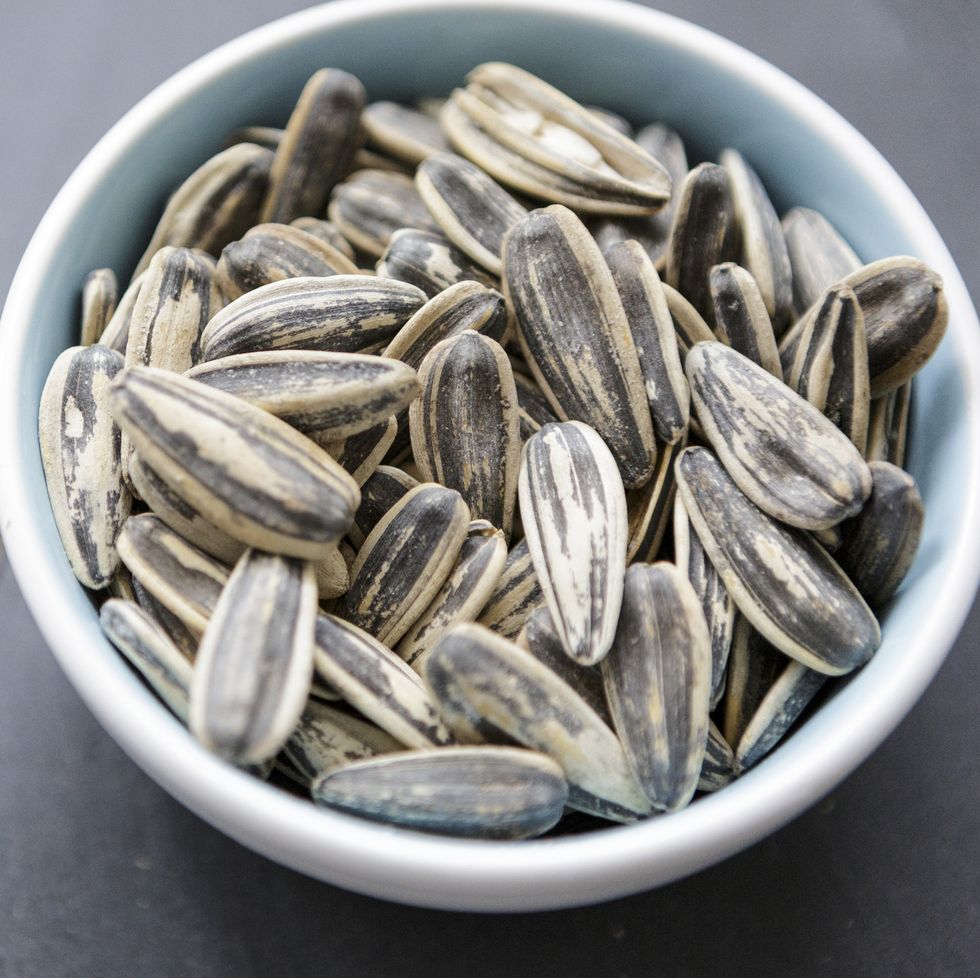
China sunflower seed roasting represents a significant segment of the global snack food industry, with a long history rooted in traditional agricultural practices and evolving to meet contemporary consumer demands. Sunflower seeds, Helianthus annuus, are processed via dry roasting, oil roasting, or a combination of both, to develop characteristic flavors and textures. This process is particularly prominent in China, not merely as a snack but as a culturally ingrained component of social gatherings and leisure activities. The technical position in the industry chain encompasses agricultural production, seed selection and cleaning, roasting processes, seasoning application, quality control, packaging, and distribution. Core performance characteristics revolve around achieving optimal roast levels (moisture content, color, and flavor development), maintaining seed integrity (minimizing breakage and rancidity), and complying with stringent food safety regulations. The industry faces constant pressure to improve efficiency, reduce energy consumption, and deliver consistent product quality given variations in raw seed characteristics.
Material Science & Manufacturing
The primary raw material, sunflower seeds, exhibits significant compositional variation based on cultivar, growing conditions, and harvesting practices. Key components include oil (40-50% typically linoleic acid, oleic acid, palmitic acid), protein (20-25%, rich in methionine and tryptophan), carbohydrates (15-20%), and fiber (5-10%). Hull composition is primarily cellulose and lignin. Roasting fundamentally alters these properties. Moisture content is critical; initial moisture content impacts heat transfer and final texture. Raw seeds typically contain 8-12% moisture. During roasting, moisture migrates to the seed’s surface, facilitating the Maillard reaction and caramelization, which contribute to flavor and color development. Dry roasting utilizes direct heat (typically 120-180°C) for a controlled duration. Oil roasting involves pre-treating seeds with oil (often vegetable oil) before roasting, enhancing heat transfer and resulting in a crispier texture. Critical parameters include roasting temperature, roasting time, seed bed depth (for uniform heating), and air flow rate. Precise control of these parameters is essential to prevent overheating and the development of undesirable flavors (bitterness due to lipid oxidation). Equipment utilized includes rotary drum roasters, fluid bed roasters, and continuous belt roasters. Seasoning application follows roasting, using dry or wet blending techniques. Coating adhesion and even distribution are crucial for palatability. Hull integrity is a manufacturing challenge; excessive cracking leads to increased oil exposure and rancidity.
Performance & Engineering
The mechanical properties of roasted sunflower seeds are directly related to consumer acceptance. Hardness, measured by compression testing, is a key indicator of desired crunchiness. Tensile strength of the hull contributes to its resistance to breakage during handling and consumption. Force analysis during roasting focuses on heat transfer rates and stress distribution within the seed. Environmental resistance factors include moisture uptake (leading to softening and clumping) and oxidation (leading to rancidity). Packaging materials must provide adequate barrier protection against moisture, oxygen, and light to maintain product quality. Compliance requirements are governed by national and international food safety standards. Key considerations include aflatoxin levels (a potent carcinogen produced by Aspergillus molds), pesticide residues, heavy metal contamination, and microbial load. Hygroscopic behavior dictates storage conditions; low humidity (typically <60% relative humidity) and cool temperatures (10-15°C) are recommended to minimize moisture absorption and extend shelf life. Engineering solutions focus on optimizing roasting processes to minimize oil oxidation, developing effective packaging materials, and implementing robust quality control systems to ensure adherence to safety standards. The impact force during packaging must also be controlled to prevent seed damage.
Technical Specifications
| Roasting Temperature (°C) | Roasting Time (minutes) | Moisture Content (%) | Oil Content (%) |
|---|---|---|---|
| 140-160 | 15-20 | 2-4 | 45-50 |
| 160-180 | 12-15 | 1.5-3 | 48-52 |
| 120-140 (Oil Roasted) | 20-25 | 1-2 | 35-40 (Post Oil Absorption) |
| Aflatoxin Level (ppb) | Peroxide Value (meq O2/kg) | Water Activity (Aw) | Hull Damage (%) |
| < 20 | < 10 | < 0.65 | < 5 |
| Acid Value (mg KOH/g) | Color (Hunter L Value) | Hardness (N) | Seed Size (mm) |
Failure Mode & Maintenance
Failure modes in roasted sunflower seeds can be categorized into physical, chemical, and biological degradation. Physical failures include hull cracking (leading to oil exposure), seed breakage (affecting texture), and clumping (due to moisture absorption). Chemical failures are primarily related to lipid oxidation, resulting in rancidity and off-flavors. This is accelerated by exposure to oxygen, light, and elevated temperatures. Aflatoxin contamination is a significant biological failure mode. Aspergillus flavus and Aspergillus parasiticus can produce aflatoxins during pre-harvest, harvest, or post-harvest handling. Maintenance of roasting equipment involves regular cleaning to prevent buildup of seed debris and oil residues, which can promote bacterial growth and fire hazards. Temperature sensors and control systems require periodic calibration to ensure accurate temperature regulation. Air filtration systems must be maintained to remove dust and contaminants. Packaging lines require regular inspection to identify and repair seal defects. Preventive maintenance schedules should include lubrication of moving parts, inspection of belts and conveyors, and replacement of worn components. Proper storage conditions (cool, dry, dark) are critical for minimizing degradation and extending shelf life. Routine quality control testing for aflatoxins, peroxide value, and moisture content is essential for identifying and addressing potential problems before they impact product quality.
Industry FAQ
Q: What are the primary factors influencing the development of rancidity in roasted sunflower seeds?
A: Rancidity is primarily caused by lipid oxidation, a chemical reaction between fats and oxygen. The rate of oxidation is accelerated by exposure to oxygen, light, heat, and the presence of metal ions. Unsaturated fatty acids, which are abundant in sunflower seeds, are particularly susceptible to oxidation. Proper packaging materials with oxygen barrier properties, storage in cool and dark conditions, and the addition of antioxidants can help mitigate rancidity.
Q: How is aflatoxin contamination controlled during the sunflower seed roasting process?
A: Aflatoxin contamination is primarily addressed through careful sourcing of raw materials from reputable suppliers with robust quality control programs. Pre-harvest and post-harvest handling practices are crucial to minimize mold growth. Roasting can reduce aflatoxin levels, but it does not eliminate them entirely. Stringent quality control testing for aflatoxins at various stages of the process is essential. Seeds exceeding permissible limits must be rejected.
Q: What is the optimal moisture content for roasted sunflower seeds to achieve maximum shelf life?
A: The optimal moisture content for roasted sunflower seeds is typically between 2-4%. Lower moisture levels inhibit microbial growth and reduce the rate of chemical reactions, such as lipid oxidation. However, excessively low moisture content can result in a brittle texture. Maintaining a low water activity (Aw < 0.65) is crucial for long-term stability.
Q: What type of roasting process (dry vs. oil) results in a crisper final product?
A: Oil roasting generally produces a crisper product compared to dry roasting. Pre-treating seeds with oil enhances heat transfer and promotes more uniform roasting. The oil also contributes to a richer flavor and texture. However, oil roasting results in a higher fat content in the final product.
Q: How does seed size and variety affect the roasting process and final product quality?
A: Seed size and variety significantly influence roasting parameters. Larger seeds require longer roasting times to achieve uniform cooking. Different varieties have varying oil content and hull thickness, which also affect heat transfer and texture. Consistent seed sizing through grading is important for achieving reproducible roasting results. Some varieties are naturally more susceptible to hull cracking during roasting.
Conclusion
China sunflower seed roasting is a complex process governed by intricate interplay of material science, engineering principles, and stringent quality control measures. Achieving optimal product quality – encompassing desirable flavor, texture, and safety – necessitates precise control of roasting parameters, effective packaging solutions, and adherence to international food safety regulations. Variations in raw seed characteristics necessitate adaptable processes and robust monitoring systems.
Future advancements will likely focus on optimizing energy efficiency in roasting processes, developing novel packaging materials with enhanced barrier properties, and implementing real-time monitoring systems for quality control. Furthermore, research into seed genetics to improve oil content, hull strength, and resistance to aflatoxin contamination holds significant potential for enhancing the overall sustainability and competitiveness of the industry.
