Introduction
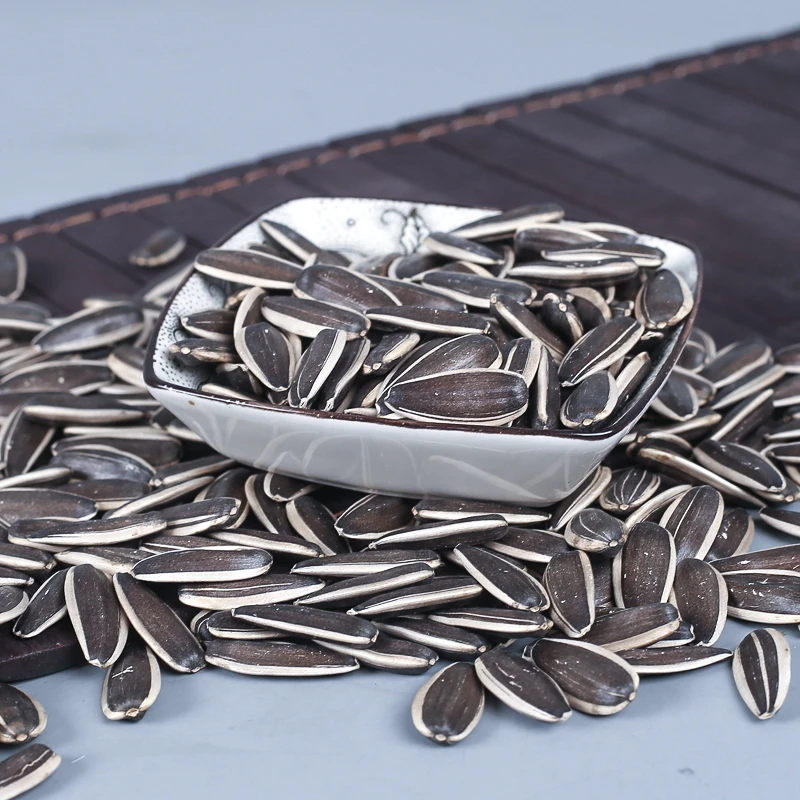
Roasted unsalted sunflower seeds represent a significant commodity within the global snack food industry, particularly in regions with established sunflower cultivation like China. This guide provides a detailed technical overview of these seeds, focusing on the critical aspects of seed quality, roasting processes, and the factors influencing shelf life and consumer acceptance. Sunflower seeds ( Helianthus annuus) are valued for their nutritional profile, containing high levels of vitamin E, magnesium, and healthy fats. The "unsalted" specification is a key differentiator, catering to health-conscious consumers and specific dietary requirements. In the context of international trade, understanding the technical specifications and potential failure modes associated with this product is essential for ensuring consistent quality and minimizing losses due to spoilage or non-compliance. This document will analyze the core performance characteristics, material science underpinning processing, and relevant international standards.
Material Science & Manufacturing
The primary raw material, sunflower seeds, exhibits significant variability in composition based on cultivar, growing conditions (soil composition, rainfall, sunlight exposure), and harvesting techniques. The seed kernel consists primarily of oil (40-50% by weight, predominantly linoleic acid), protein (20-25%), carbohydrates (15-20%), and fiber. The shell, or hull, constitutes approximately 20-30% of the total seed weight and is removed during processing. Manufacturing begins with seed cleaning to remove debris and foreign matter. Subsequently, a dehulling process separates the kernel from the shell, typically utilizing mechanical abrasion and air separation. Roasting is the critical step in developing flavor and texture. This is typically carried out using continuous rotary roasters operating at temperatures between 280-320°F (138-160°C) for 15-30 minutes, depending on kernel size and desired roast level. Key parameters requiring precise control include roasting temperature, residence time, and airflow rate. Under-roasting results in a bland flavor and undesirable texture, while over-roasting leads to rancidity and a burnt taste. Precise control of moisture content post-roasting (typically 2-3%) is vital for maximizing shelf life. Nitrogen flushing of packaging is often employed to displace oxygen and further retard oxidation. The absence of salt in the specified product necessitates even greater attention to moisture control and oxidation prevention.
Performance & Engineering
Performance of roasted unsalted sunflower seeds is primarily assessed by sensory attributes (taste, texture, aroma), but also necessitates objective measurements. Kernel hardness, measured using a penetrometer, is a critical factor affecting consumer preference. Oil content, determined via Soxhlet extraction, dictates the richness and mouthfeel. Moisture content, quantified using a Karl Fischer titrator, is paramount for stability. The primary engineering challenge revolves around maintaining uniform roasting across the entire batch, preventing localized burning or under-roasting. This requires optimized roaster design, precise temperature control systems, and consistent seed loading. Environmental resistance, in this context, focuses on resistance to moisture ingress and oxygen permeation through the packaging material. Barrier properties of packaging films (specifically Water Vapor Transmission Rate - WVTR, and Oxygen Transmission Rate - OTR) are crucial determinants of shelf life. Compliance requirements depend on the target export market. For example, the European Union has stringent regulations regarding acrylamide levels in roasted foods, requiring manufacturers to implement processing techniques to minimize its formation. The US FDA mandates proper labeling and adherence to Good Manufacturing Practices (GMPs).
Technical Specifications
| Parameter | Unit | Specification | Test Method |
|---|---|---|---|
| Moisture Content | % | ≤ 3.0 | Karl Fischer Titration (GB/T 5005-2008) |
| Oil Content | % | 40 – 50 | Soxhlet Extraction (GB/T 5004-2008) |
| Kernel Hardness | N | > 80 | Penetrometer (ASTM D4465) |
| Free Fatty Acid (FFA) | % | ≤ 0.2 | Titrimetric Method (GB/T 5006-2008) |
| Peroxide Value (PV) | meq O2/kg | ≤ 5.0 | Titrimetric Method (GB/T 5007-2008) |
| Acrylamide Content | µg/kg | ≤ 100 (EU Regulation) | HPLC (EN 6574) |
Failure Mode & Maintenance
Common failure modes for roasted unsalted sunflower seeds include rancidity due to lipid oxidation, resulting in off-flavors and odors. This is accelerated by exposure to oxygen, light, and elevated temperatures. Another frequent issue is moisture regain, leading to loss of crispness and potential mold growth. Packaging integrity is paramount; breaches in the barrier allow for oxygen and moisture ingress. Kernel cracking during processing or handling can occur, increasing surface area exposed to oxidation. Insect infestation is a potential risk, particularly during storage. Preventive maintenance of roasting equipment is essential. Regular cleaning of roasters prevents buildup of seed residue which can contribute to burning and off-flavors. Monitoring and calibrating temperature sensors ensures accurate roasting control. Implementing a robust pest control program minimizes the risk of infestation. Proper storage conditions are critical: cool (≤ 20°C), dry (≤ 60% RH), and dark environments maximize shelf life. Regular quality control checks, including sensory evaluation, moisture content analysis, and peroxide value measurement, are crucial for identifying and addressing potential issues before they impact product quality.
Industry FAQ
Q: What is the significance of the peroxide value in assessing sunflower seed quality?
A: The peroxide value (PV) is a primary indicator of the extent of lipid oxidation. A higher PV signifies greater oxidation, meaning the oil is becoming rancid and the seeds are losing their flavor and nutritional value. Monitoring the PV is critical for determining shelf life and identifying potential issues with storage conditions or processing parameters.
Q: How does the roasting process impact acrylamide formation, and what mitigation strategies are employed?
A: Acrylamide is a potentially carcinogenic compound formed during high-temperature roasting of starchy foods, but it can also form in sunflower seeds albeit at lower levels. The formation is influenced by roasting temperature, time, and moisture content. Mitigation strategies include optimizing roasting parameters (lower temperature, shorter time), controlling precursor levels (reducing reducing sugars), and potentially adding acrylamide formation inhibitors.
Q: What packaging materials are best suited for maintaining the quality of unsalted roasted sunflower seeds?
A: Multi-layer films with excellent barrier properties against oxygen and moisture are essential. Commonly used materials include metallized polyester (PET) or polypropylene (PP) films, often combined with polyethylene (PE) for sealing. Nitrogen flushing prior to sealing further enhances preservation by displacing oxygen. The WVTR and OTR of the packaging material must be sufficiently low to maintain product quality throughout the intended shelf life.
Q: What are the key differences in quality control between batches of sunflower seeds sourced from different regions?
A: Sunflower seeds from different regions can exhibit variations in oil content, protein content, and kernel size, which impacts roasting behavior. Quality control should include a thorough assessment of these parameters for each batch. Adjustments to roasting parameters may be required to achieve consistent quality across different seed sources. Careful evaluation of FFA and PV is also crucial as seed origin can influence initial oil quality.
Q: How does moisture content affect the shelf life of roasted unsalted sunflower seeds?
A: Moisture content is a critical factor influencing shelf life. Higher moisture content promotes rancidity and microbial growth. Maintaining a low moisture content (≤ 3.0%) is essential for preserving flavor, texture, and preventing spoilage. Proper drying after roasting and the use of moisture-barrier packaging are vital.
Conclusion
Roasted unsalted sunflower seeds represent a technically nuanced product where consistent quality relies heavily on precise control of multiple variables throughout the entire process chain. From the initial seed selection and dehulling to the critical roasting phase and subsequent packaging, each step significantly impacts the final product's flavor, texture, and shelf life. Understanding the material science of sunflower seeds, the implications of lipid oxidation, and the critical role of barrier properties in packaging is essential for manufacturers to meet consumer expectations and comply with international regulatory standards.
Future developments in this sector will likely focus on optimizing roasting technologies to minimize acrylamide formation, exploring novel packaging materials with enhanced barrier properties (e.g., bio-based films), and implementing more sophisticated quality control systems leveraging real-time monitoring of key parameters. Continuous improvement in these areas will be crucial for maintaining competitiveness in the global snack food market and ensuring consumer satisfaction.
