Introduction
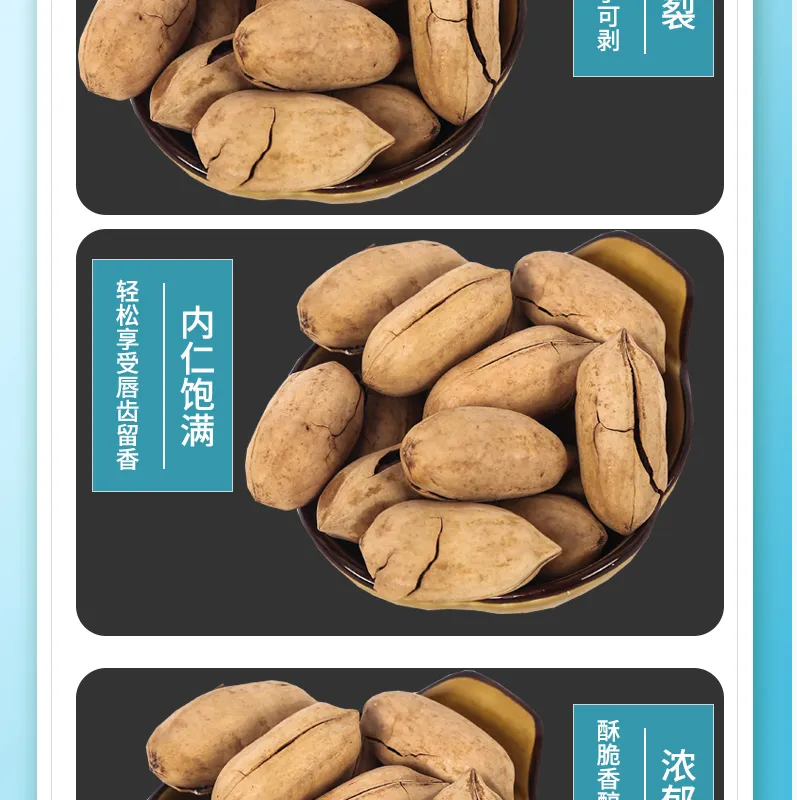
China sunflower seeds roasted represent a significant segment within the global snack food industry, particularly in Asian markets. These seeds, derived from the Helianthus annuus plant, undergo a specialized processing sequence involving harvesting, drying, dehulling, roasting, and seasoning. Their technical position lies at the intersection of agricultural commodity processing, food chemistry, and packaging technology. Core performance characteristics are defined by moisture content, oil content, kernel size, roasting degree (color and texture), and the adhesion/flavor profile of applied seasonings. The inherent variability of the raw material and the critical control required during processing represent key challenges in maintaining consistent quality and meeting international food safety standards. This guide will detail the material science, manufacturing processes, performance attributes, failure modes, and relevant regulations surrounding china sunflower seeds roasted.
Material Science & Manufacturing
The primary raw material, sunflower seeds, comprises a hull (pericarp) typically constituting 20-30% of the seed weight, and the kernel, which contains the majority of the oil (40-55%) and protein (18-25%). Kernel oil is primarily linoleic acid (a polyunsaturated omega-6 fatty acid), oleic acid (a monounsaturated omega-9 fatty acid), and palmitic acid (a saturated fatty acid). The hull is composed of cellulose, hemicellulose, and lignin. Manufacturing begins with seed selection based on kernel size and oil content. Cleaning removes debris, followed by drying to a moisture content of approximately 10-12% to inhibit microbial growth and facilitate shelling. Dehulling, typically employing mechanical abrasion, separates the kernel from the hull. Roasting is the critical step, conducted at temperatures ranging from 140-180°C for 15-30 minutes. This process develops flavor through Maillard reaction and caramelization, reduces moisture content to approximately 2-3%, and increases crispness. Precise temperature control is vital; under-roasting results in a bland flavor and soft texture, while over-roasting leads to burnt flavors and decreased nutritional value. Seasoning, typically involving salt, flavor enhancers (MSG), and spices, is applied immediately after roasting to ensure adhesion. Finally, seeds are cooled and packaged. Key parameters monitored during manufacturing include seed moisture content, roasting temperature profiles, oil absorption during seasoning, and residual acrylamide levels (a byproduct of high-temperature roasting).
Performance & Engineering
Performance assessment of roasted sunflower seeds centers around several key attributes. Shear force analysis quantifies kernel brittleness; a desirable product exhibits a specific fracture force range determined by consumer preference. Oil stability, measured via Rancimat testing, assesses resistance to oxidative degradation. A lower Rancimat induction time indicates faster rancidity development. Moisture content is crucial for shelf life; exceeding 3% promotes microbial growth and texture softening. Packaging plays a vital role in preserving product quality. Barrier properties, specifically oxygen transmission rate (OTR) and water vapor transmission rate (WVTR), of the packaging material directly impact shelf life. High OTR accelerates rancidity, while high WVTR leads to moisture absorption and loss of crispness. Compliance requirements include adherence to food safety regulations (e.g., HACCP) and labeling standards, dictating permissible levels of contaminants (e.g., heavy metals, aflatoxins) and accurate nutritional information. Particle size distribution of the roasted seeds influences packing density and flowability during automated packaging processes. Engineering considerations also involve the design of roasting equipment to ensure uniform heat distribution and minimize acrylamide formation. The roasting process requires robust control systems to monitor temperature, humidity, and airflow.
Technical Specifications
| Parameter | Unit | Typical Value (Range) | Test Method |
|---|---|---|---|
| Moisture Content | % | 2.0 - 3.0 | AOAC 925.10 |
| Oil Content | % | 45 - 55 | SOXTEC Method |
| Kernel Size | mm | 10-14 | Sieve Analysis |
| Roasting Degree (Color L) | - | 40 - 50 | Colorimeter (CIELAB) |
| Shear Force | N | 5 - 10 | Texture Analyzer |
| Rancidity (Peroxide Value) | meq O2/kg | < 5.0 | AOCS Cd 8-53 |
Failure Mode & Maintenance
Failure modes in china sunflower seeds roasted typically relate to quality degradation and safety concerns. Rancidity, caused by lipid oxidation, is a primary failure mode, leading to off-flavors and reduced nutritional value. This is accelerated by exposure to oxygen, light, and elevated temperatures. Moisture absorption causes loss of crispness and promotes microbial growth (mold, yeast), potentially producing mycotoxins like aflatoxins. Physical damage during handling (cracking, chipping) reduces aesthetic appeal and can increase dust formation. Over-roasting results in burnt flavors and reduces the availability of essential fatty acids. Acrylamide formation, while generally at low levels, is a potential safety concern. Maintenance strategies focus on proper storage (cool, dry, dark environment), employing oxygen-barrier packaging, and implementing strict quality control during manufacturing. Regular monitoring of moisture content, oil stability, and microbial loads is essential. Equipment maintenance, particularly for roasting and coating machinery, is critical to ensure consistent processing parameters and prevent mechanical damage to the seeds. Proper cleaning and sanitation procedures are vital to minimize contamination risks.
Industry FAQ
Q: What is the primary cause of rancidity in roasted sunflower seeds and how can it be mitigated?
A: The primary cause is lipid oxidation, specifically the reaction of unsaturated fatty acids with oxygen. Mitigation strategies include utilizing oxygen-barrier packaging materials (e.g., metallized films, high-barrier plastics), incorporating antioxidants (e.g., vitamin E, rosemary extract) into the product formulation, and maintaining low storage temperatures. Proper nitrogen flushing of packaging before sealing can also reduce oxygen levels.
Q: How does the roasting process affect the acrylamide levels in sunflower seeds?
A: Roasting at high temperatures (above 140°C) can lead to acrylamide formation due to the Maillard reaction between reducing sugars and asparagine. Reducing roasting temperature, minimizing roasting time, and potentially adding asparaginase (an enzyme that breaks down asparagine) can help mitigate acrylamide levels, but must be balanced against flavor development.
Q: What are the key considerations when selecting packaging materials for roasted sunflower seeds?
A: The key considerations are oxygen barrier properties, water vapor barrier properties, light protection, and mechanical strength. The material must effectively prevent oxygen ingress to minimize rancidity and moisture absorption to maintain crispness. It should also protect the seeds from light-induced oxidation and withstand the stresses of handling and transportation.
Q: What are the acceptable limits for aflatoxin contamination in sunflower seeds according to international regulations?
A: Acceptable limits vary by country. The European Union generally sets a maximum limit of 2 µg/kg for total aflatoxins. The US FDA has action levels of 20 µg/kg. It's crucial to adhere to the specific regulations of the target export market and implement rigorous quality control procedures to ensure compliance.
Q: What role does seed variety play in the final product quality of roasted sunflower seeds?
A: Seed variety significantly impacts oil content, kernel size, and protein composition, all of which influence roasting performance and final product quality. Varieties with higher oil content generally yield a more flavorful and crispy product. Kernel size affects the texture and appearance. Selecting appropriate varieties for roasting is a crucial first step in the manufacturing process.
Conclusion
China sunflower seeds roasted represent a complex agricultural product requiring meticulous control throughout the entire supply chain, from seed selection to packaging. Maintaining consistent quality hinges on understanding the interplay between material science (seed composition and oil chemistry), manufacturing processes (drying, roasting, seasoning), and packaging technology (barrier properties). Addressing potential failure modes, such as rancidity and moisture absorption, requires proactive implementation of preservation techniques and adherence to stringent quality control protocols.
Looking ahead, research and development efforts will likely focus on optimizing roasting parameters to minimize acrylamide formation, developing novel packaging materials with enhanced barrier properties, and exploring sustainable sourcing practices for sunflower seeds. Continuous monitoring of regulatory changes and consumer preferences will also be essential for manufacturers aiming to succeed in the competitive snack food market.
