Introduction
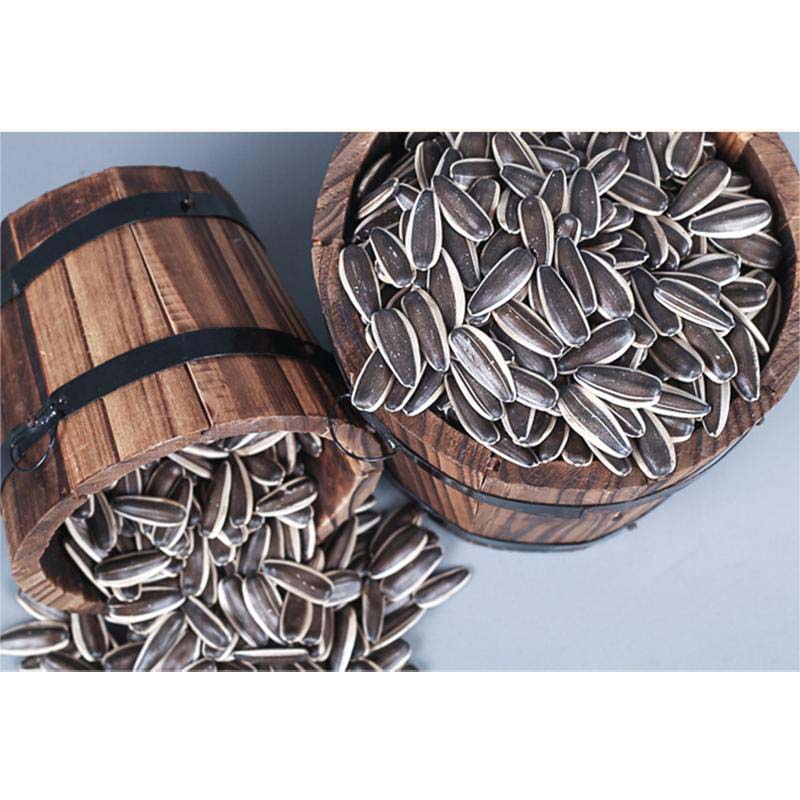
China sunflower seeds raw represent a significant commodity within the global edible seed market. Technically classified as Helianthus annuus, these seeds occupy a crucial position in the food processing chain, serving as a direct consumption snack, a source material for sunflower oil extraction, and a component in animal feed formulations. The product’s inherent value derives from its high oil content (typically 42-58% by weight), substantial protein content (around 20-25%), and essential fatty acid profile. Current industry trends prioritize seeds with consistently high oleic acid content for improved oil quality and extended shelf life. A key industry pain point revolves around maintaining consistent kernel size and minimizing the presence of hull fragments, impacting processing efficiency and consumer acceptance. Quality control, especially concerning aflatoxin levels and pesticide residues, is paramount for international trade compliance.
Material Science & Manufacturing
Sunflower seeds are composed primarily of three components: the kernel (cotyledon), the hull (pericarp), and the embryo. The kernel’s chemical composition dictates the majority of its functional properties. Lipids, predominantly triglycerides, constitute the bulk of the kernel weight. These triglycerides consist of various fatty acids, including linoleic acid, oleic acid, palmitic acid, and stearic acid. Protein content is largely comprised of globulins and albumins. The hull, while representing approximately 20-30% of the seed weight, offers limited nutritional value but contributes to the seed’s physical protection. Manufacturing begins with agricultural practices, including cultivar selection for desired oil profile and kernel size. Harvesting methods (mechanical vs. manual) affect seed damage and impurity levels. Post-harvest processing involves cleaning, drying (to around 8-10% moisture content to prevent mold growth), dehulling (mechanical removal of the hull), and grading based on kernel size and quality. Dehulling efficiency is a critical parameter, influencing product yield and the need for secondary cleaning processes. Key parameter control focuses on maintaining optimal drying temperatures to preserve oil quality and preventing mechanical damage during dehulling to minimize kernel breakage and dust generation. The physical properties of sunflower seeds, specifically their angle of repose and bulk density, impact storage and handling characteristics.
Performance & Engineering
The performance of sunflower seeds raw is intrinsically linked to their compositional integrity and physical characteristics. Force analysis during dehulling operations reveals the rupture strength of the hull and kernel interface, dictating the energy required for effective separation. Environmental resistance, specifically moisture absorption, impacts seed viability and susceptibility to fungal growth. Seeds must maintain a low water activity (typically below 0.7) to inhibit microbial proliferation. Packaging materials play a vital role in controlling moisture ingress and oxygen permeability. Compliance requirements are stringent, governed by international food safety standards (detailed in the footer). Functional implementation varies based on intended use. For direct consumption, kernel size consistency and absence of hull fragments are crucial for palatability. For oil extraction, oil yield and oil quality (acid value, peroxide value, color) are primary performance indicators. The seed’s shatter resistance, measured by impact testing, influences transport and handling efficiency. Furthermore, the seeds must adhere to maximum permissible levels of heavy metals (lead, cadmium) and pesticides as stipulated by importing country regulations. The oil content impacts the caloric density and shelf-life of the product.
Technical Specifications
| Parameter | Unit | Specification (Standard Grade) | Specification (High Oleic Grade) |
|---|---|---|---|
| Kernel Moisture Content | % | ≤ 9.0 | ≤ 8.5 |
| Kernel Oil Content (Dry Basis) | % | ≥ 42.0 | ≥ 50.0 |
| Kernel Hull Content | % | ≤ 8.0 | ≤ 5.0 |
| Kernel Broken/Damaged | % | ≤ 5.0 | ≤ 3.0 |
| Free Fatty Acid (FFA) | % | ≤ 1.0 | ≤ 0.5 |
| Aflatoxin B1 | ppb | ≤ 2 ppb | ≤ 2 ppb |
Failure Mode & Maintenance
Sunflower seeds raw are susceptible to several failure modes during storage and transport. Lipid oxidation is a primary degradation pathway, leading to rancidity and off-flavors. This process is accelerated by exposure to oxygen, light, and elevated temperatures. Aflatoxin contamination, caused by Aspergillus flavus and Aspergillus parasiticus fungi, represents a significant food safety hazard. This is exacerbated by high moisture content and poor storage conditions. Physical damage, such as kernel breakage and hull cracking, increases susceptibility to insect infestation and microbial growth. Insect infestation, particularly by storage beetles, can result in significant product loss. Preventative maintenance focuses on proper storage conditions – cool, dry, and dark environments. Implementing a robust pest control program is essential. Regular monitoring for aflatoxin levels is critical. Packaging should provide a barrier against oxygen and moisture. For long-term storage, inert gas flushing (nitrogen or carbon dioxide) can minimize oxidation. Careful handling during transportation minimizes mechanical damage. Visual inspection for signs of mold, insect activity, and physical damage is a routine maintenance practice.
Industry FAQ
Q: What is the significance of the oleic acid content in sunflower seeds?
A: Higher oleic acid content (typically >70%) results in improved oxidative stability of the sunflower oil, extending its shelf life and making it suitable for high-temperature cooking applications. High oleic oil also exhibits reduced susceptibility to rancidity, enhancing the sensory quality of food products.
Q: How are aflatoxin levels controlled during production?
A: Aflatoxin control starts with pre-harvest practices, including selecting resistant cultivars and minimizing insect damage in the field. Post-harvest, rigorous cleaning and drying procedures are crucial. Storage facilities must be well-maintained and monitored for moisture and temperature. Regular testing for aflatoxin levels is mandatory, and contaminated batches are rejected.
Q: What are the key considerations for packaging sunflower seeds raw for export?
A: Packaging must protect against moisture ingress, oxygen exposure, and physical damage during transit. Materials should comply with food contact regulations of the importing country. Packaging should also be clearly labeled with relevant information, including origin, grade, and aflatoxin test results.
Q: What is the typical shelf life of properly stored sunflower seeds raw?
A: Properly stored sunflower seeds raw, with moisture content below 9% and protected from oxygen and light, can maintain acceptable quality for up to 12-18 months. However, periodic testing for oil quality and aflatoxin levels is recommended, especially for extended storage periods.
Q: How does the dehulling process impact the overall quality of the seeds?
A: Efficient dehulling minimizes hull content, improving the palatability and nutritional value. However, aggressive dehulling can cause kernel damage, increasing the proportion of broken kernels and potentially leading to oil leakage and rancidity. Optimizing dehulling parameters to balance hull removal and kernel integrity is crucial.
Conclusion
China sunflower seeds raw represent a complex agricultural product requiring diligent attention to material science, manufacturing processes, and quality control. Maintaining consistent kernel quality, minimizing aflatoxin contamination, and preserving oil stability are paramount for successful international trade. The performance characteristics of the seeds, influenced by compositional integrity and physical properties, dictate their suitability for diverse applications.
Future advancements in sunflower seed breeding will likely focus on enhancing oil quality, improving resistance to pests and diseases, and optimizing kernel characteristics for specific processing applications. Continued investment in improved storage and handling technologies will be essential for mitigating degradation and ensuring the delivery of high-quality sunflower seeds raw to global markets.
