
Introduction
China sunflower seeds ( Helianthus annuus) represent a significant segment of the global edible seed market, experiencing consistent demand as both a snack food and a source of vegetable oil. Positioned within the agricultural commodity chain, their processing and quality control are crucial factors influencing market value. These seeds are categorized based on size, oil content, and intended application – confectionery (in-shell consumption) or oil extraction. Core performance metrics for evaluation include kernel weight, oil yield (expressed as a percentage of kernel weight), protein content, and levels of undesirable compounds like free fatty acids. The industry currently faces challenges relating to aflatoxin contamination, efficient hulling techniques to minimize kernel damage, and maintaining consistent seed size for automated processing. China is a leading producer and exporter, influencing global pricing and supply dynamics.
Material Science & Manufacturing
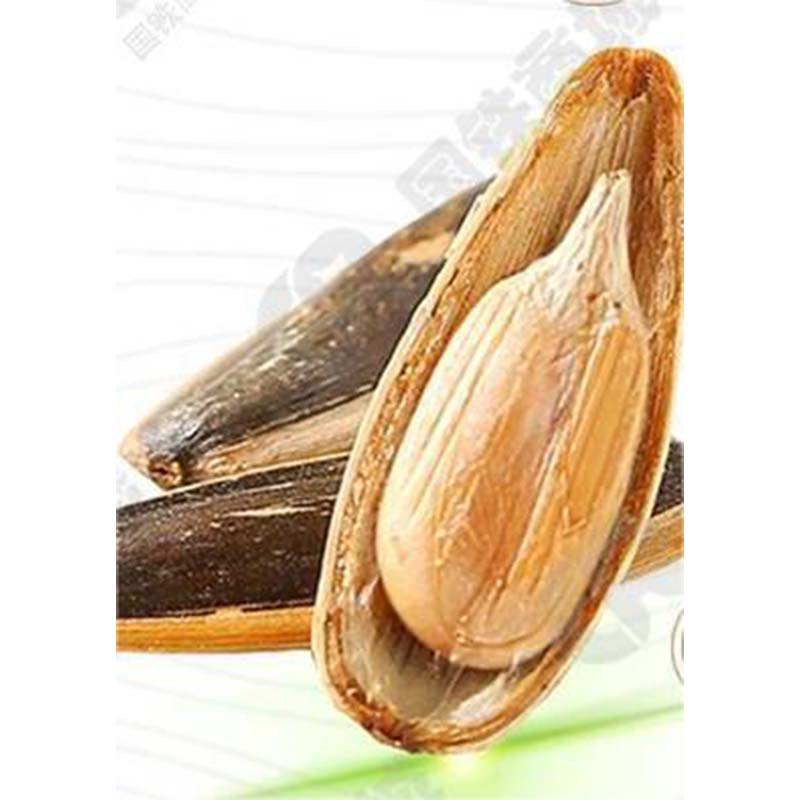
Sunflower seeds are biologically composed primarily of oil (42-58% by weight), protein (18-25%), carbohydrates (15-20%), and fiber (6-8%). The hull, or pericarp, is composed largely of cellulose and lignin, providing a protective barrier. Seed oil composition varies based on cultivar, with linoleic acid (C18:2) typically dominating (around 60-70%), followed by oleic acid (C18:1) ranging from 15-30%. Manufacturing begins with seed selection and harvesting. Post-harvest processing involves cleaning (removal of stalks, leaves, and other debris), drying (to a moisture content of 8-10% to prevent fungal growth), dehulling (mechanical removal of the hull), and grading (size and quality sorting). Dehulling is a critical step; impact dehulling is common, but can cause kernel fracture, reducing quality. Parameter control during drying is vital – temperature and air velocity must be carefully managed to avoid lipid oxidation and denaturation of proteins. Oil extraction follows, typically employing solvent extraction (hexane) or mechanical pressing. The quality of the extracted oil is heavily influenced by the pre-treatment of the seeds and the efficiency of the extraction process. Newer technologies involve supercritical fluid extraction utilizing CO2 as a solvent, offering a more environmentally friendly, albeit costlier, alternative.
Performance & Engineering
The structural integrity of the sunflower seed, particularly the kernel, directly impacts processing efficiency and final product quality. Force analysis reveals that the hull exhibits anisotropic behavior – its resistance to fracture varies depending on the direction of applied force. Hulling machines are engineered to exploit this anisotropy. The kernel itself is subject to compressive forces during handling and packaging. Environmental resistance is paramount, with moisture content being a critical factor. Excessive moisture leads to fungal growth (specifically Aspergillus species, leading to aflatoxin production) and rancidity due to lipid oxidation. Packaging materials must provide a barrier against moisture and oxygen. Compliance requirements involve adherence to maximum permissible levels of aflatoxins (regulated by national and international bodies – see Standards & Regulations). Engineering considerations also encompass optimizing the geometry of seed handling equipment to minimize damage. Kernel size uniformity is essential for efficient automated sorting and packaging lines; variation increases the risk of jams and quality control issues. The thermal stability of the oil is also a crucial performance factor influencing shelf-life and processing temperatures during oil extraction.
Technical Specifications
| Parameter | Confectionery Grade (Typical) | Oil Extraction Grade (Typical) | Units |
|---|---|---|---|
| Kernel Size (Diameter) | 12-16 mm | 10-14 mm | mm |
| Oil Content (Kernel Basis) | 50-58% | 42-50% | % |
| Moisture Content | 6-8% | 8-10% | % |
| Protein Content (Kernel Basis) | 20-25% | 18-22% | % |
| Aflatoxin Levels (Total) | ≤ 2 ppb | ≤ 5 ppb | ppb (parts per billion) |
| Free Fatty Acid (FFA) Content | ≤ 0.5% | ≤ 1.0% | % |
Failure Mode & Maintenance
Sunflower seed failure modes are diverse. Aflatoxin contamination is a primary concern, stemming from fungal growth during storage, particularly in humid conditions. Prevention requires stringent moisture control, proper storage ventilation, and potentially the application of antifungal treatments (within regulatory limits). Kernel cracking/fracturing occurs during dehulling and handling, reducing market value. Maintenance of dehulling equipment – regular inspection and replacement of impact plates – is crucial. Lipid oxidation leads to rancidity and off-flavors, especially in oil extraction grades. Proper storage under nitrogen and protection from light are preventative measures. Hull remaining on the kernel reduces processing efficiency in oil extraction and impacts sensory quality in confectionery seeds. Adjustments to dehulling machine parameters (impact force, feed rate) are required. Insect infestation can lead to significant losses. Implementing effective pest control measures and maintaining clean storage facilities are essential. Long-term storage can also lead to a decline in germination rate, impacting seed viability if used for replanting. Regular monitoring of seed quality and adherence to proper storage protocols are vital for minimizing these failure modes.
Industry FAQ
Q: What are the key differences in processing requirements between confectionery and oil extraction sunflower seeds?
A: Confectionery seeds require gentler handling during dehulling to minimize kernel damage, as appearance is critical. Stringent aflatoxin limits are also enforced. Oil extraction seeds prioritize oil yield, so a more aggressive dehulling process is acceptable, and aflatoxin limits can be slightly higher (within regulatory guidelines). Size grading is more critical for confectionery, while oil content is paramount for oil extraction.
Q: How does moisture content affect sunflower seed quality during storage?
A: Moisture content is the single most critical factor. Above 10%, fungal growth (particularly Aspergillus) significantly increases, leading to aflatoxin contamination. Increased moisture also accelerates lipid oxidation, causing rancidity and reducing oil quality. Proper drying and storage in a well-ventilated, low-humidity environment are essential.
Q: What are the limitations of traditional solvent extraction for sunflower oil, and what alternative methods are being explored?
A: Traditional hexane solvent extraction raises concerns about solvent residues in the oil and environmental impact. Alternative methods include mechanical pressing (cold pressing), which yields a higher quality oil but lower extraction efficiency, and supercritical fluid extraction using CO2, which is more environmentally friendly but has higher capital costs.
Q: What quality control measures are necessary to ensure compliance with aflatoxin regulations?
A: Regular testing for aflatoxins using methods like ELISA or HPLC is essential at multiple stages – post-harvest, pre-processing, and post-extraction. Implementing good agricultural practices (GAP) to minimize fungal infection in the field, proper drying, and storage are also critical preventative measures.
Q: How is kernel size uniformity achieved and why is it important?
A: Kernel size uniformity is achieved through careful seed selection during breeding programs, precise harvesting techniques, and effective size grading after dehulling. It is critical for efficient automated sorting, packaging, and processing, minimizing downtime and ensuring consistent product quality. Non-uniformity leads to jams in processing lines and variable roasting profiles.
Conclusion
China sunflower seeds represent a complex agricultural commodity requiring meticulous attention to detail throughout the entire value chain, from seed breeding to final product packaging. Maintaining optimal moisture content, controlling aflatoxin levels, and optimizing processing parameters are critical for ensuring both product quality and regulatory compliance. The industry is continuously evolving, with increasing focus on sustainable extraction methods and improved quality control technologies.
Further advancements in seed genetics aimed at increasing oil content, improving hullability, and enhancing resistance to fungal contamination will continue to drive industry innovation. Precise monitoring and data analytics applied throughout the supply chain will be vital for predicting and mitigating potential failure modes, ultimately maximizing yield and profitability.
