Introduction
Organic sunflower seeds, Helianthus annuus, represent a significant segment of the global edible seed market, particularly those sourced from China, a leading producer. These seeds are valued for their nutritional profile – high in linoleic acid, vitamin E, protein, and fiber – and increasingly, for their adherence to stringent organic agricultural practices. This guide details the technical aspects of organic sunflower seed production, processing, quality control, and potential degradation pathways, addressing industry needs from procurement to end-use applications in food and nutritional supplements. The positioning within the agricultural supply chain involves cultivated land preparation, planting, growth, harvest, drying, dehulling, grading, sorting, and packaging. Core performance characteristics center around oil content, protein content, moisture level, and freedom from contaminants (pesticide residues, heavy metals, mycotoxins).
Material Science & Manufacturing
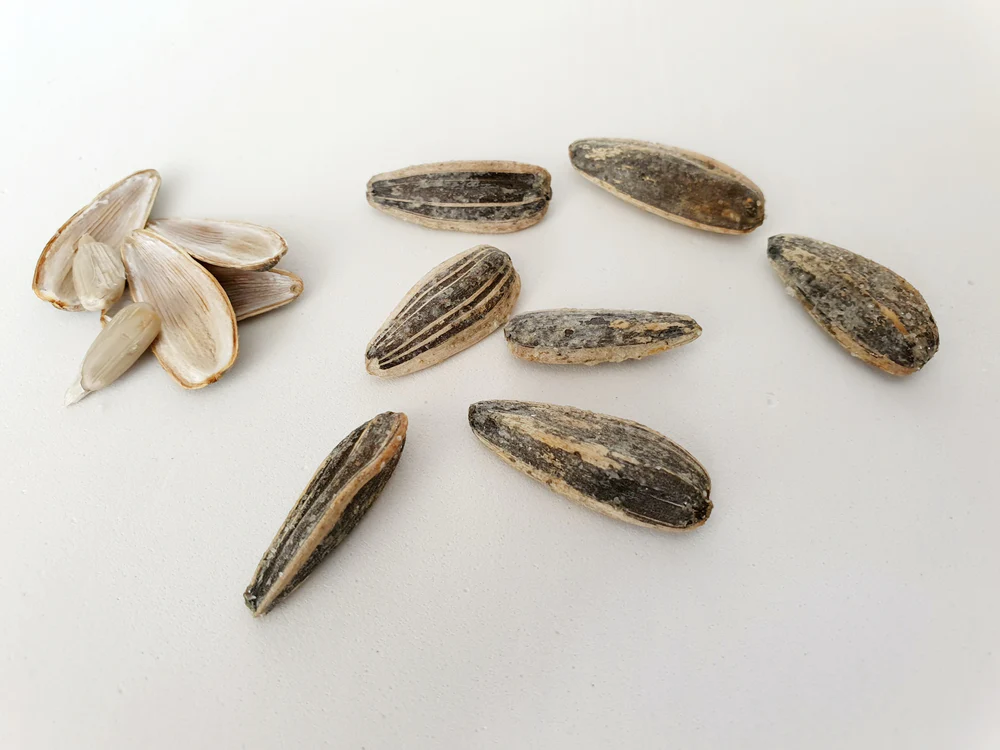
Sunflower seeds are primarily composed of an outer hull (pericarp) containing cellulose, hemicellulose, and lignin, and an inner kernel containing oil (primarily triglycerides of linoleic and oleic acid), protein (albumin, globulin, and prolamin), carbohydrates, and minor components like phytosterols and tocopherols. The organic designation mandates that the seeds are grown without the use of synthetic pesticides, herbicides, or fertilizers. Soil composition, particularly nitrogen, phosphorus, and potassium levels, critically influences seed oil content and protein expression. Manufacturing processes begin with field harvesting, typically employing combine harvesters. Post-harvest, drying is crucial to reduce moisture content from approximately 30% to 8-10%, usually employing forced-air drying systems with temperature control (maximum 40°C to prevent protein denaturation). Dehulling, often a mechanical process using rubber rollers or abrasive surfaces, separates the kernel from the hull. Parameter control during dehulling is essential to minimize kernel damage and oil loss. Subsequent sorting and grading use optical sorters based on size, shape, and color. Organic certification requires traceability systems, documenting the seed’s journey from field to finished product and verified by accredited certification bodies. Key parameters monitored throughout the process include seed moisture content (Karl Fischer titration), oil content (solvent extraction – hexane is common but discouraged in organic processing, favoring enzymatic methods), and protein content (Kjeldahl method).
Performance & Engineering
The performance of sunflower seeds is dictated by their physical and chemical properties. Force analysis during dehulling focuses on fracture mechanics – the force required to rupture the hull without damaging the kernel. Hull strength varies with variety and moisture content. Environmental resistance pertains to the seed’s ability to withstand storage conditions – temperature, humidity, and oxygen levels. Elevated temperatures accelerate lipid oxidation, leading to rancidity. High humidity promotes microbial growth (molds, yeasts) and mycotoxin production. Oxygen accelerates oxidative degradation of unsaturated fatty acids. Compliance requirements include adherence to organic standards (USDA Organic, EU Organic), food safety regulations (FDA, EFSA), and maximum residue limits (MRLs) for contaminants. Functional implementation considers the end-use application. For direct consumption, seed size and shape are important for consumer appeal. For oil extraction, oil content and quality are paramount. For confectionary applications, kernel integrity and lack of hull fragments are critical. Engineering controls focus on optimizing drying parameters, dehulling processes, and storage conditions to maximize product quality and minimize losses.
Technical Specifications
| Parameter | Unit | Typical Range (Organic Seeds, China) | Test Method |
|---|---|---|---|
| Oil Content (Dry Basis) | % | 42 – 52 | AOAC 983.23 (Solvent Extraction) |
| Protein Content (Dry Basis) | % | 18 – 24 | Kjeldahl Method (AOAC 978.05) |
| Moisture Content | % | 7 – 10 | AOAC 925.10 (Oven Drying) |
| Acid Value | mg KOH/g | < 2.0 | Titration (AOCS Cd 3-50) |
| Peroxide Value | meq O2/kg | < 5.0 | Titration (AOCS Cd 8-53) |
| Kernel Damage (Broken/Hulled) | % | < 5 | Visual Inspection/Sieving |
Failure Mode & Maintenance
Common failure modes for organic sunflower seeds include lipid oxidation (rancidity), resulting in off-flavors and reduced nutritional value. This is accelerated by exposure to oxygen, light, and heat. Microbial contamination (mold growth) can lead to mycotoxin production (aflatoxins, ochratoxins), rendering the seeds unsafe for consumption. Physical damage during harvesting, dehulling, or handling can compromise seed integrity and increase susceptibility to spoilage. Insect infestation, though minimized by organic practices, can still occur during storage. Maintenance focuses on proper storage conditions – low temperature (below 15°C), low humidity (below 60%), and airtight packaging. Regular monitoring of moisture content, peroxide value, and aflatoxin levels is crucial. Implementing a First-In, First-Out (FIFO) inventory management system minimizes storage time. Preventative measures include thorough cleaning of harvesting and processing equipment to eliminate residual contaminants. Quality control checks at each stage of the process (field, post-harvest, processing, packaging) help identify and address potential problems before they escalate. Adequate ventilation in storage facilities prevents moisture buildup and mold growth.
Industry FAQ
Q: What are the key differences in oil quality between conventional and organically grown sunflower seeds?
A: While total oil content may be comparable, organic sunflower seeds typically exhibit a more favorable fatty acid profile, with a higher proportion of linoleic acid and a lower ratio of omega-6 to omega-3 fatty acids, depending on the variety. Moreover, the absence of synthetic pesticides and herbicides in organic production minimizes the risk of residual contamination in the oil. Additionally, some studies suggest that organically grown seeds may have higher levels of vitamin E and other antioxidants.
Q: How do you ensure the authenticity of "organic" claims for sunflower seeds sourced from China?
A: Authentication relies on robust traceability systems and third-party certification by accredited organic certification bodies (e.g., USDA Organic, EU Organic). These bodies conduct on-site inspections of farms and processing facilities to verify compliance with organic standards. Furthermore, analytical testing for pesticide residues and other prohibited substances is performed to confirm the absence of contaminants. DNA fingerprinting can also be used to verify seed origin and variety.
Q: What are the critical control points for preventing aflatoxin contamination in organic sunflower seeds?
A: Critical control points include proper drying of seeds to below 10% moisture content immediately after harvest, minimizing physical damage during harvesting and processing, maintaining hygienic storage conditions (low temperature, low humidity), and implementing a robust sampling and testing program for aflatoxin levels throughout the supply chain. Regular monitoring and rejection of contaminated lots are essential.
Q: What is the impact of dehulling methods on the quality and shelf life of organic sunflower seeds?
A: Gentle dehulling methods that minimize kernel damage are preferred to preserve oil quality and prevent rancidity. Abrasive dehulling can generate heat and cause oil oxidation. Maintaining low temperatures during dehulling is crucial. The presence of hull fragments can reduce shelf life and negatively impact sensory attributes.
Q: What are the optimal storage conditions for maximizing the shelf life of organic sunflower seeds?
A: The optimal storage conditions are a temperature below 15°C (59°F), a relative humidity below 60%, and airtight packaging to minimize exposure to oxygen and moisture. Nitrogen flushing of packaging can further reduce oxygen levels and extend shelf life. Periodic monitoring of peroxide value and moisture content is recommended.
Conclusion
Organic sunflower seeds sourced from China present a valuable nutritional commodity, but maintaining quality requires meticulous attention to detail throughout the entire supply chain. From the initial cultivation practices adhering to stringent organic standards, to controlled drying and gentle dehulling techniques, and finally to optimized storage conditions, each step significantly impacts the final product’s performance and longevity. Understanding the material science – the composition of the seed and the factors influencing oil stability – is paramount for successful procurement and utilization.
Future trends will likely focus on improved traceability technologies (blockchain), more sustainable packaging materials, and innovative processing techniques that further enhance oil quality and minimize waste. Continued research into seed genetics to develop varieties with increased oil content, enhanced nutritional profiles, and improved resistance to pests and diseases will also be crucial. Furthermore, robust analytical methods for detecting contaminants and verifying organic authenticity will remain essential for maintaining consumer trust and ensuring product safety.
