Introduction
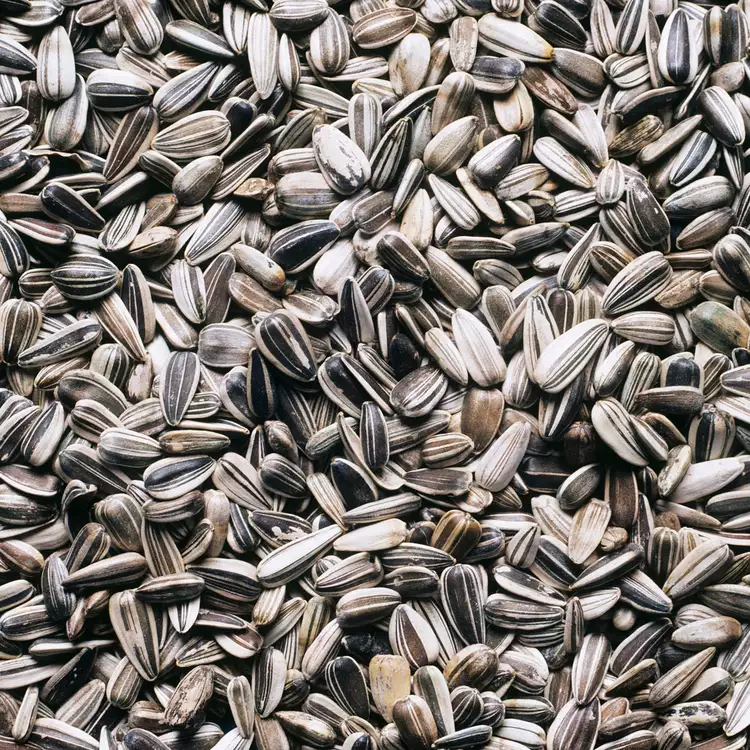
China sunflower seeds, particularly those offered at competitive pricing, represent a significant commodity within the global agricultural market. These seeds are primarily Helianthus annuus, categorized based on kernel size (confectionery vs. oilseed) and hull characteristics. Their position in the supply chain begins with agricultural cultivation, progresses through harvesting, drying, dehulling, grading, and finally, packaging for both domestic consumption and international export. Core performance indicators for these seeds are defined by oil content, protein levels, moisture content, kernel damage, and the absence of foreign materials. The competitive pricing often stems from large-scale agricultural production and economies of scale in processing, but demands rigorous quality control to maintain market acceptance and prevent food safety concerns. This guide will provide an in-depth technical analysis of these seeds, covering material science, manufacturing processes, performance characteristics, potential failure modes, and relevant industry standards.
Material Science & Manufacturing
The primary constituent of sunflower seeds is the kernel, composed of approximately 40-55% oil, 20-25% protein, 10-15% carbohydrates, and 5-10% moisture, alongside minor components like vitamins, minerals, and fiber. The oil is rich in linoleic acid (an omega-6 fatty acid), making it valuable for edible oil production. The kernel’s hardness and density are critical properties influencing dehulling efficiency. The hull, or shell, primarily consists of cellulose and lignin, providing a protective layer. Manufacturing begins with cultivation, utilizing specific cultivars optimized for either confectionery or oilseed production. Harvesting occurs when seed moisture content is reduced to approximately 15-20% to minimize fungal growth. Drying is crucial, typically utilizing forced-air systems to reach a moisture content of 8-10%. Dehulling employs mechanical impact or abrasive methods. Parameter control during dehulling is vital to minimize kernel damage. Grading separates seeds based on size and quality, removing broken kernels, foreign materials, and discolored seeds. Packaging utilizes materials offering moisture barriers and preventing oxidation. Critical parameters during the entire process include temperature control (drying), impact force (dehulling), and screening aperture size (grading). Improper temperature control can lead to rancidity, while excessive force damages the kernel, and improper screening affects product purity. Ensuring the seed’s genetic purity throughout the cultivation process also significantly impacts the final product's quality and yield.
Performance & Engineering
Performance analysis of china sunflower seeds focuses on several key areas. Firstly, the oil extraction yield is a critical engineering parameter, optimized by seed composition and efficient dehulling. Oil yield is affected by kernel density and the presence of residual hull fragments. Secondly, the mechanical strength of the kernel is important for processing, assessing resistance to cracking during handling and transportation. Force analysis during dehulling determines optimal impact energy to maximize yield while minimizing damage. Environmental resistance, particularly moisture sensitivity, is vital for maintaining seed viability and preventing fungal contamination during storage. Packaging materials play a crucial role in mitigating moisture ingress and oxidation. Compliance requirements related to aflatoxin levels (regulated by various national food safety agencies) necessitate rigorous quality control during harvesting, drying, and storage. The flowability of the seeds during processing and packaging is another key engineering consideration, influenced by seed shape, size distribution, and surface characteristics. Specifically, the angle of repose and bulk density are important parameters. Further, the seeds must meet phytosanitary requirements for international trade, including regulations concerning pesticide residues and the absence of invasive species.
Technical Specifications
| Parameter | Unit | Typical Value (Cheap Price Seeds) | Premium Grade Seeds |
|---|---|---|---|
| Oil Content (Dry Basis) | % | 40-48 | 48-55 |
| Protein Content (Dry Basis) | % | 18-22 | 22-26 |
| Moisture Content | % | 8-10 | 7-9 |
| Kernel Damage (Broken Kernels) | % | 5-10 | <2 |
| Foreign Matter | % | 1-3 | <0.5 |
| Aflatoxin Level (B1, B2, G1, G2) | ppb | <20 | <5 |
Failure Mode & Maintenance
Failure modes for china sunflower seeds during storage and transportation are primarily related to deterioration of quality. Lipid oxidation, leading to rancidity, is a significant concern, accelerated by exposure to oxygen, light, and elevated temperatures. This manifests as an off-flavor and reduced nutritional value. Fungal contamination, particularly by Aspergillus species, leading to aflatoxin production, poses a major food safety risk. Moisture absorption promotes fungal growth. Physical damage to the kernel during handling (cracking, chipping) reduces processing efficiency and market value. Insect infestation can also occur, leading to weight loss and contamination. Maintenance solutions involve proper storage conditions (cool, dry, dark environment with adequate ventilation). Packaging materials with low oxygen permeability and moisture barriers are essential. Regular monitoring for aflatoxin levels and insect infestation is crucial. Implementing a First-In, First-Out (FIFO) inventory management system minimizes storage duration. Preventative maintenance of processing equipment (dehullers, graders) ensures minimal kernel damage. Careful handling during loading, unloading, and transportation prevents physical damage. Ethylene absorbers can be used within packaging to slow down the aging process of the seeds.
Industry FAQ
Q: What is the primary driver for price differences in china sunflower seeds?
A: Price variation primarily stems from kernel size, oil content, the degree of hulling, and aflatoxin levels. Lower oil content, a higher percentage of damaged kernels, and elevated aflatoxin levels contribute to lower prices. Larger kernel sizes, typically preferred for confectionery use, also command a premium.
Q: How does moisture content impact long-term storage?
A: Elevated moisture content significantly reduces storage life by promoting fungal growth and accelerating lipid oxidation. Maintaining a moisture content of 8-10% is crucial for preventing these degradation pathways. Proper drying and moisture-barrier packaging are essential.
Q: What are the key regulatory concerns regarding sunflower seed imports?
A: Key regulatory concerns include aflatoxin levels, pesticide residues, and phytosanitary certifications. Importing countries typically have strict limits for aflatoxin contamination and require documentation demonstrating compliance with pesticide residue regulations and freedom from invasive species.
Q: How does the dehulling process affect oil yield?
A: Efficient dehulling maximizes oil yield by removing the hull, which contains minimal oil. However, aggressive dehulling can damage the kernel, reducing oil extraction efficiency and increasing the amount of oil lost during processing. Optimized dehulling parameters are critical.
Q: What packaging materials are recommended for maintaining seed quality during shipment?
A: Packaging materials with low oxygen and moisture permeability are recommended. Multi-layer films incorporating polyethylene (PE), polypropylene (PP), and aluminum foil provide effective barriers. Vacuum packaging or modified atmosphere packaging (MAP) can further extend shelf life.
Conclusion
China sunflower seeds of cheap price offer a cost-effective source of oil and protein, but maintaining quality requires diligent attention to material science principles and manufacturing controls. From cultivation and harvesting through drying, dehulling, and storage, each stage presents potential failure modes that must be addressed through preventative measures. Understanding the interplay between seed composition, environmental factors, and processing parameters is essential for maximizing yield and minimizing quality deterioration.
Future advancements in sunflower seed processing will likely focus on optimizing dehulling technologies to minimize kernel damage, developing more effective packaging materials to extend shelf life, and implementing advanced monitoring systems for aflatoxin detection. The continued emphasis on food safety and quality control will be paramount to maintaining the competitiveness of china sunflower seeds in the global market.
