Introduction
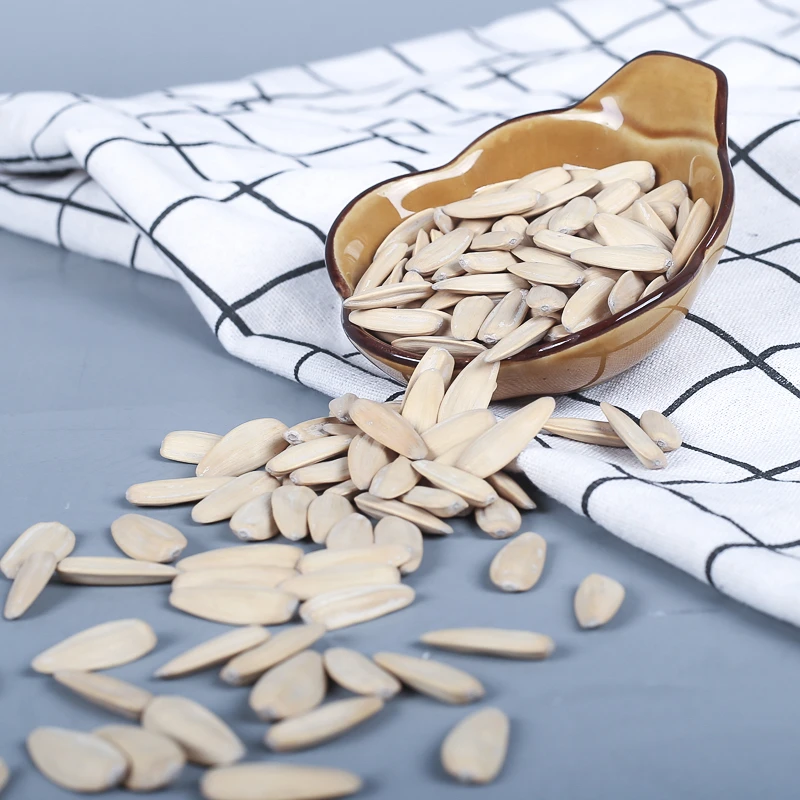
China sunflower seeds individual packets represent a significant segment of the snack food industry, serving both domestic and international markets. This guide details the technical aspects of these packets, focusing on material selection, manufacturing processes, performance characteristics, and potential failure modes. The primary function is preservation of seed quality (moisture control, prevention of rancidity) and convenient portioning for consumer consumption. These packets are typically constructed from multi-layer flexible packaging materials designed to provide a barrier against oxygen, moisture, and light – crucial for maintaining the sunflower seeds' flavor and extending their shelf life. The competitive landscape necessitates optimized packaging costs without compromising product integrity. This document is targeted towards procurement managers, packaging engineers, and quality control personnel involved in the sunflower seed supply chain.
Material Science & Manufacturing
The constituent materials for china sunflower seeds individual packets typically involve a laminate structure. Common components include: 1) Polypropylene (PP): Often used as the inner layer due to its excellent moisture barrier properties and cost-effectiveness. PP grades used are typically biaxially oriented polypropylene (BOPP) for improved tensile strength and clarity. Density ranges from 0.90 to 0.91 g/cm³, with a melting point around 130-171°C. 2) Polyethylene (PE): Frequently employed as a sealant layer, ensuring a hermetic seal. Linear Low-Density Polyethylene (LLDPE) is preferred for its superior puncture resistance and elongation. Density typically falls between 0.918 – 0.925 g/cm³. 3) Aluminum Foil (Al): Providing an exceptional barrier against oxygen, light, and aromas. Alloy 8079 is commonly used, offering good formability and barrier properties. Thickness usually ranges from 9 to 20 μm. 4) Polyester (PET): Used for external strength, printability, and aesthetics. BOPET films are prevalent, providing high tensile strength and dimensional stability. Density: 1.38 g/cm³. Manufacturing involves several key processes: Lamination: Adhering these layers using adhesives (polyurethane or acrylic-based) under controlled temperature and pressure. Adhesive application requires precise metering to prevent delamination. Printing: Flexographic or rotogravure printing applies branding and nutritional information. Ink compatibility with the film layers is critical to avoid migration and maintain barrier properties. Slitting & Rewinding: Converting large rolls of laminated film into narrower widths. Bag Forming: Utilizing form-fill-seal (FFS) machines, the film is shaped into packets, filled with sunflower seeds, and sealed. Sealing parameters (temperature, pressure, dwell time) are meticulously controlled to ensure hermeticity. Quality Control: Regular testing of film thickness, barrier properties (OTR, WVTR), and seal strength is paramount.
Performance & Engineering
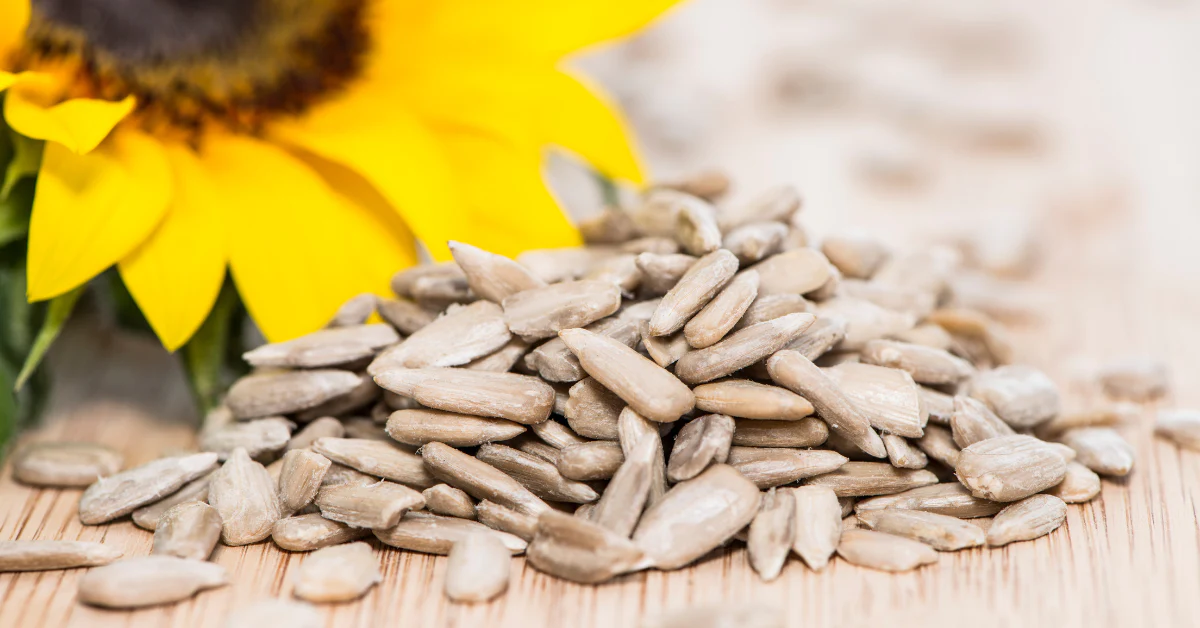
The primary performance requirement is maintaining sunflower seed quality throughout the product lifecycle. This is heavily reliant on barrier properties. Oxygen Transmission Rate (OTR): Critical for preventing oxidative rancidity. Target OTR values are generally < 1.0 cm³/m²/day at 25°C and 75% RH. Water Vapor Transmission Rate (WVTR): Controls moisture uptake, preventing softening and fungal growth. Target WVTR values are generally < 3.0 g/m²/day at 38°C and 90% RH. Tensile Strength & Elongation: Important for withstanding handling and transportation stresses. Minimum tensile strength of 20 MPa and elongation at break of 200% are generally required. Seal Strength: Ensures packet integrity during storage and distribution. Hot tack strength should exceed 1 N/mm. Puncture Resistance: Protects against damage during handling and prevents seed loss. Minimum puncture resistance of 500g is typical. Environmental Resistance: Packets must withstand temperature fluctuations during storage and transportation (-20°C to 40°C). UV resistance is also important to prevent degradation of the film material. Engineering considerations include minimizing material usage (light-weighting) while maintaining performance, optimizing seal design for efficient sealing, and ensuring compatibility with automated packaging equipment. Compliance with food contact regulations (FDA, EFSA) is mandatory.
Technical Specifications
| Material Layer | Thickness (μm) | Tensile Strength (MPa) | Oxygen Transmission Rate (cm³/m²/day) @ 25°C, 75% RH |
|---|---|---|---|
| BOPP | 20 | 30 | 2.5 |
| LLDPE | 30 | 18 | 4.0 |
| Aluminum Foil | 9 | 80 | <0.1 |
| BOPET | 12 | 35 | 1.0 |
| Adhesive (Polyurethane) | 5 | 15 | N/A |
| Overall Laminate | 76 | 25 | <1.0 |
Failure Mode & Maintenance
Common failure modes for china sunflower seeds individual packets include: Delamination: Separation of the film layers due to inadequate adhesive bonding or stress concentration. Preventative measures include proper adhesive selection, controlled lamination conditions, and minimizing sharp corners in the bag design. Seal Failure: Loss of hermeticity due to insufficient sealing temperature, pressure, or dwell time, or contamination on the seal area. Regular seal strength testing and cleaning of sealing jaws are critical. Puncture/Tear: Damage during handling or transportation leading to seed loss. Increasing film thickness, using high-puncture-resistance materials (LLDPE), and improving packaging design can mitigate this. Oxidation/Rancidity: Resulting from oxygen ingress through a compromised barrier. Maintaining low OTR values and ensuring a tight seal are essential. Moisture Ingress: Leading to seed softening and fungal growth. Maintaining low WVTR values and proper storage conditions are important. Ink Degradation: Fading or migration of ink components impacting aesthetics and potentially food safety. Using food-grade inks and ensuring compatibility with the film layers are critical. Maintenance involves regular inspection of sealing equipment, adhesive application systems, and film storage conditions. Proper humidity and temperature control in storage areas are crucial to prevent material degradation.
Industry FAQ
Q: What is the optimal laminate structure for maximizing shelf life while minimizing cost?
A: A three-layer structure comprising BOPP (outer layer for printability & strength), aluminum foil (primary barrier against oxygen & moisture), and LLDPE (sealant layer) typically offers the best balance. While PET adds strength, it significantly increases cost. Carefully selecting the thickness of each layer, particularly the aluminum foil, is crucial for cost optimization without compromising barrier performance.
Q: How can we ensure consistent seal integrity across high-volume production runs?
A: Implementing a robust quality control system with regular seal strength testing (using peel tests and burst tests) is paramount. Automated inspection systems can detect visually defective seals. Maintaining consistent temperature, pressure, and dwell time on the sealing jaws, coupled with regular cleaning and calibration, is vital. Also, verifying the compatibility of the sealant layer with the film structure is critical.
Q: What are the key considerations when selecting adhesives for lamination?
A: Adhesives must exhibit strong adhesion to all film layers, maintain flexibility after curing, and possess good resistance to temperature fluctuations and humidity. Polyurethane adhesives generally offer superior bond strength and flexibility compared to acrylic adhesives. Ensuring the adhesive is food-contact compliant (meeting relevant regulations) is non-negotiable.
Q: How does the choice of printing ink affect the barrier properties of the packet?
A: Incompatible inks can migrate through the film layers, compromising barrier properties and potentially contaminating the sunflower seeds. Selecting food-grade flexographic or rotogravure inks specifically designed for flexible packaging is essential. Proper ink drying and curing are also critical to prevent migration.
Q: What testing methods are used to verify the barrier properties of the finished packets?
A: Oxygen Transmission Rate (OTR) and Water Vapor Transmission Rate (WVTR) are measured using specialized gas permeation analyzers. Seal strength is assessed through peel tests and burst tests. Tensile strength and elongation are determined using tensile testing machines. Visual inspection for defects is also a critical component of quality control.
Conclusion
China sunflower seeds individual packets represent a complex interplay of material science, manufacturing precision, and performance engineering. Maintaining the quality and extending the shelf life of sunflower seeds requires a robust packaging solution characterized by effective barrier properties, reliable sealing, and resistance to environmental factors. Optimizing the laminate structure, controlling manufacturing parameters, and implementing rigorous quality control measures are essential for success.
Future developments in flexible packaging are likely to focus on sustainable materials, such as bio-based polymers and recyclable laminates. Further research into active packaging technologies – incorporating oxygen scavengers or moisture absorbers directly into the film – could offer enhanced preservation capabilities. Continued innovation in sealing technologies and automated inspection systems will also be crucial for maintaining product integrity and reducing waste.
