Introduction
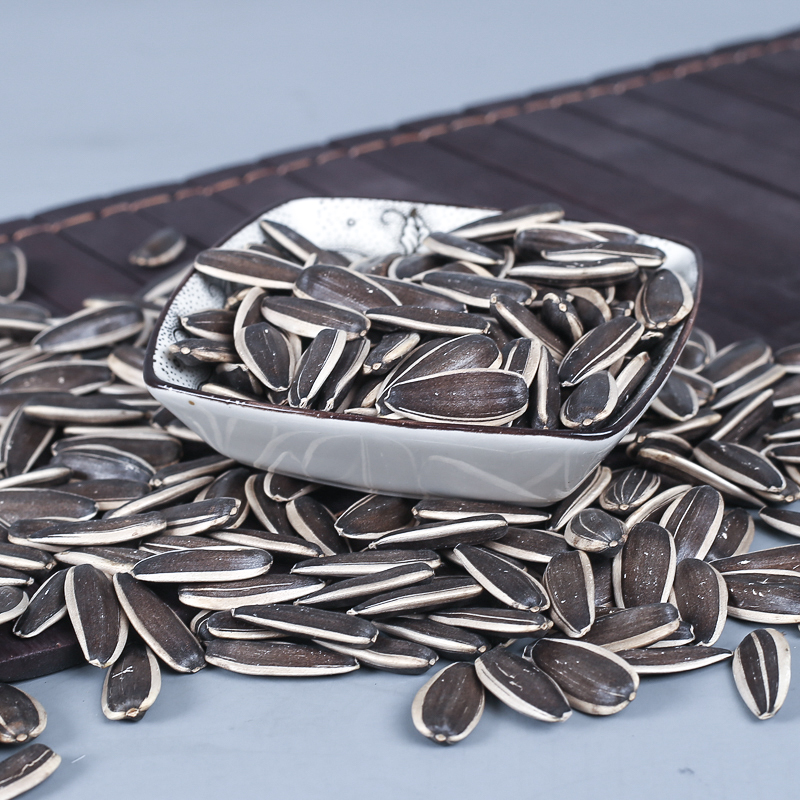
China sunflower seeds in the flower represent a significant segment of the global edible seed market, specifically categorized within Helianthus annuus cultivars bred for both oil and confectionary purposes. Their industrial positioning resides within the agricultural processing chain, acting as a vital link between primary agricultural production and consumer packaged goods. Core performance characteristics encompass kernel size, oil content, protein content, hull percentage, and germination rate, all critically influencing end-use applications and market value. These seeds are consumed directly as a snack, processed for oil extraction (largely for culinary and industrial uses), and increasingly utilized in animal feed formulations. Current industry challenges focus on optimizing yield per hectare, improving seed quality consistency, mitigating aflatoxin contamination, and developing varieties resistant to prevalent fungal diseases. The increasing demand for healthy snack alternatives positions these seeds as a growth market, but quality control and supply chain traceability remain paramount concerns for international buyers.
Material Science & Manufacturing
The primary raw material, sunflower seeds, are composed of approximately 35-50% oil, 20-25% protein, 15-20% carbohydrate (primarily starch), and 5-10% moisture, with the remaining constituting fiber and ash. Oil composition is dominated by linoleic acid (around 60%), oleic acid (20-40%) and palmitic acid (5-10%), influencing the oil's stability and nutritional profile. The seed hull is composed of cellulose, hemicellulose, and lignin, providing structural integrity but also hindering oil extraction efficiency. Manufacturing begins with harvesting, typically mechanical, followed by drying to reduce moisture content to approximately 9-10% to prevent fungal growth. Cleaning removes debris and foreign matter. Size grading separates seeds based on diameter, influencing shelling and processing efficiency. The crucial process of dehulling mechanically removes the outer hull. Kernel splitting and sorting further refine the product. Critical parameters during drying include temperature (maintained below 60°C to prevent protein denaturation) and airflow rate. Dehulling pressure and roller gap are key factors affecting hull removal rate and kernel damage. Quality control at each stage involves visual inspection, moisture content analysis (using infrared spectroscopy), and impurity detection. For seeds intended for direct consumption, flavor enhancement (salting, seasoning) and packaging are performed.
Performance & Engineering
Performance characteristics are largely dictated by seed composition and structural integrity. Force analysis during dehulling necessitates understanding the compressive strength of the hull and the shear strength of the kernel-hull interface. Excessive force leads to kernel breakage, reducing yield and quality. Environmental resistance focuses on storage stability. High humidity promotes fungal growth and aflatoxin production, necessitating proper ventilation and moisture control during storage. Temperature fluctuations can induce condensation and accelerate degradation. Compliance requirements, particularly for export, mandate adherence to Maximum Residue Levels (MRLs) for pesticides, heavy metals (lead, cadmium), and aflatoxins, as dictated by importing countries. Functional implementation considers both the snack food application and oil extraction efficiency. Kernel size impacts shelling efficiency; larger kernels are easier to process. Oil content directly influences oil yield; higher oil content is desirable. Hull strength affects dehulling efficiency and energy consumption. Aflatoxin levels are a primary safety concern, requiring robust preventative measures and regular monitoring. Germination rate, while less critical for snack seeds, is paramount for seed breeding programs and cultivar development.
Technical Specifications
| Parameter | Unit | Typical Range (China Sunflower Seeds in the Flower) | Testing Method |
|---|---|---|---|
| Oil Content (Dry Basis) | % | 42-58 | Soxhlet Extraction (GB/T 5009.3) |
| Protein Content (Dry Basis) | % | 18-26 | Kjeldahl Method (GB/T 5009.5) |
| Moisture Content | % | 6-9 | Oven Drying Method (GB/T 5009.4) |
| Kernel Size (Diameter) | mm | 10-16 | Sieve Analysis |
| Hull Percentage | % | 20-35 | Manual Separation & Weighing |
| Aflatoxin B1 | µg/kg (ppb) | < 2 | HPLC (High-Performance Liquid Chromatography) (GB 50008.13) |
Failure Mode & Maintenance
Failure modes for china sunflower seeds in the flower encompass several categories. Physical Damage: Kernel cracking during dehulling or handling reduces market value. This is often caused by excessive force or improper equipment calibration. Biological Degradation: Fungal growth, particularly Aspergillus flavus and Aspergillus parasiticus, leads to aflatoxin contamination. This is exacerbated by high moisture content and improper storage conditions. Oxidative Rancidity: Unsaturated fatty acids in the oil are susceptible to oxidation, leading to off-flavors and reduced nutritional value. This is accelerated by exposure to air, light, and high temperatures. Insect Infestation: Storage pests can damage kernels and compromise quality. Maintenance strategies include implementing strict quality control measures throughout the processing chain, utilizing proper drying and storage techniques (low temperature, low humidity, airtight containers), regular monitoring for aflatoxins, and employing integrated pest management (IPM) strategies to prevent insect infestations. Preventative maintenance on processing equipment (dehullers, graders) minimizes kernel damage. Oil-rich seeds should be stored with antioxidants to inhibit rancidity.
Industry FAQ
Q: What are the critical factors influencing aflatoxin levels in sunflower seeds?
A: Aflatoxin production is primarily driven by environmental conditions during growth and post-harvest handling. Prolonged drought stress during flowering, insect damage creating entry points for Aspergillus species, high humidity during drying and storage, and inadequate ventilation all contribute to increased aflatoxin risk. Implementing drought-resistant cultivars, controlling insect populations, and ensuring rapid and thorough drying are crucial preventative measures.
Q: How does hull percentage impact oil extraction efficiency?
A: Higher hull percentages reduce oil extraction efficiency as the hull is largely inert material. Dehulling removes the hull, concentrating the oil-rich kernel. Efficient dehulling is therefore paramount. Incomplete dehulling necessitates further processing, increasing energy consumption and potentially lowering oil quality.
Q: What is the significance of the oil profile (linoleic/oleic acid ratio) in sunflower seeds?
A: The oil profile impacts the oil’s stability and nutritional value. High linoleic acid content provides essential fatty acids but makes the oil more susceptible to oxidation. High oleic acid varieties offer improved oxidative stability and are preferred for frying and high-temperature applications. Breeders are actively developing high oleic sunflower cultivars.
Q: What quality control measures are essential for export compliance?
A: Export compliance requires adherence to importing country regulations regarding pesticide residues, heavy metals, aflatoxins, and microbial contamination. Regular testing using accredited laboratories is essential. Maintaining detailed traceability records from farm to export is critical for demonstrating compliance and addressing any potential issues. Certification programs (e.g., ISO 22000) can further enhance credibility.
Q: What are the challenges associated with maintaining seed viability for breeding programs?
A: Maintaining seed viability requires controlled storage conditions: low temperature (typically 4°C), low humidity, and airtight packaging. Regular germination testing is essential to monitor viability over time. Genetic drift during storage can also occur, necessitating periodic regeneration of seed stocks.
Conclusion
China sunflower seeds in the flower represent a complex agricultural commodity with significant industrial processing requirements. Achieving optimal quality necessitates a deep understanding of the material science principles governing seed composition and degradation, coupled with rigorous engineering controls throughout the manufacturing chain. Addressing the core challenges of aflatoxin mitigation, optimizing oil extraction efficiency, and ensuring export compliance requires a holistic approach encompassing breeding programs, advanced processing technologies, and robust quality control systems.
Future advancements will likely focus on developing sunflower cultivars with improved drought tolerance, enhanced resistance to fungal diseases, and optimized oil profiles. Precision agriculture techniques, including sensor-based monitoring of moisture content and disease incidence, will enable more proactive and targeted interventions. Furthermore, advancements in dehulling and oil extraction technologies will continue to improve efficiency and minimize waste, supporting a sustainable and competitive sunflower seed industry.
