Introduction
China sunflower seeds in sunflower represent a significant segment within the global oilseed market. These seeds, derived from the Helianthus annuus species, are processed for their oil content, edible kernels, and increasingly, for protein extraction. Positioned within the agricultural supply chain between cultivation and consumer product manufacturing (e.g., cooking oil, snack foods, animal feed), their quality is paramount. Core performance characteristics include oil yield, kernel size and weight, protein content, fatty acid profile, and levels of residual moisture. Industry pain points center around maintaining consistent seed quality amidst fluctuating weather patterns, minimizing aflatoxin contamination, and optimizing oil extraction efficiency to remain competitive in international markets. This guide will provide an in-depth technical overview of these seeds, covering their material science, manufacturing processes, performance engineering, potential failure modes, and relevant industry standards.
Material Science & Manufacturing
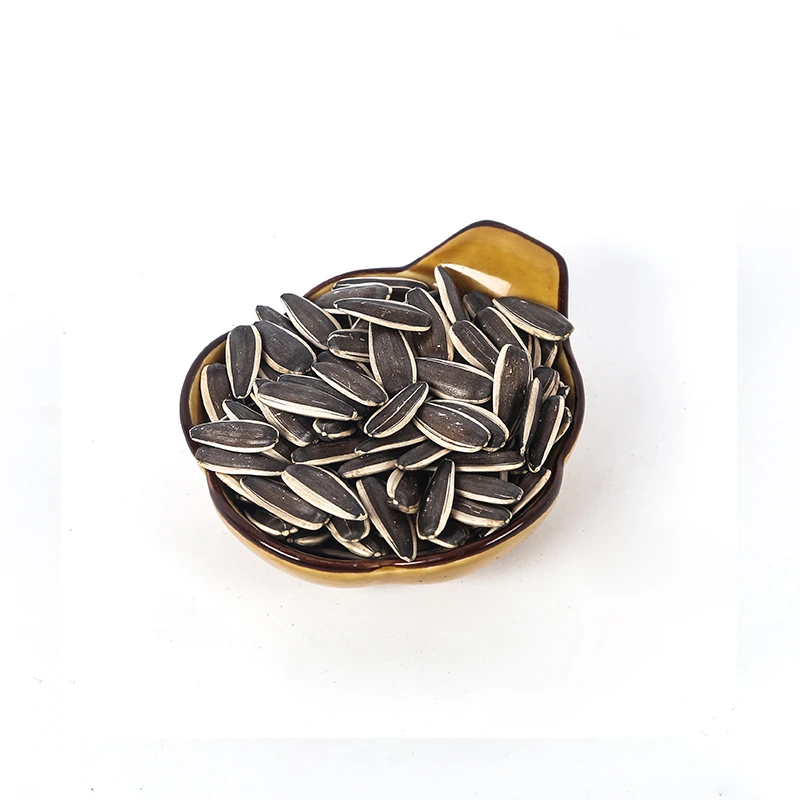
Sunflower seeds are fundamentally composed of three primary components: the hull (pericarp), the kernel (cotyledon), and the embryo. The hull comprises approximately 20-30% of the seed’s weight, providing physical protection. Its primary material is cellulose and lignin. The kernel constitutes 60-70% of the seed, and is rich in oil (40-55% depending on the variety), protein (18-25%), and carbohydrates. The embryo, approximately 5-10% of the seed, contains the genetic material for future plant growth. Raw material selection focuses on high-oleic, high-linoleic, or mid-oleic varieties, depending on desired end-use. Manufacturing begins with harvesting, followed by cleaning to remove debris and foreign materials. Drying is critical, typically conducted to 8-10% moisture content using forced-air systems. This prevents fungal growth and maintains seed viability. De-hulling is then performed, separating the kernel from the hull; this is often accomplished using impact or friction-based dehullers. Key parameter control during de-hulling involves adjusting impact velocity and clearance to minimize kernel damage. Subsequent sizing and grading sort kernels by size and weight, removing broken or damaged seeds. Oil extraction is predominantly achieved through mechanical pressing (expelling) or solvent extraction (typically with hexane). Solvent extraction yields a higher oil recovery rate (99%+) compared to mechanical pressing (85-90%), but requires careful solvent recovery and quality control to ensure food safety. Finally, the crude oil undergoes refining processes (degumming, neutralization, bleaching, deodorization) to remove impurities and improve its stability and organoleptic properties.
Performance & Engineering
The performance of china sunflower seeds in sunflower is intrinsically linked to their physical and chemical properties. Oil yield, expressed as percentage by weight, is a primary performance metric. Engineering focuses on maximizing this yield through variety selection and optimized extraction processes. Kernel hardness, measured using a penetrometer, dictates the efficiency of de-hulling and impacts the milling quality for snack food applications. Fatty acid composition – specifically the ratio of linoleic to oleic acid – influences oil stability, shelf life, and nutritional value. High-oleic varieties exhibit greater oxidative stability, reducing the need for antioxidants. Environmental resistance is a critical consideration, particularly resistance to drought, pests, and fungal diseases (e.g., Sclerotinia, Fusarium). Genetic engineering and breeding programs are employed to enhance these traits. Compliance requirements include adherence to food safety standards (e.g., maximum permissible levels of aflatoxins – see Standards & Regulations), and phytosanitary regulations governing international trade. Force analysis during de-hulling and pressing operations is crucial to optimize machine settings and minimize kernel damage. Properly engineered equipment and precise control of processing parameters are essential to prevent cracking, abrasion, and the generation of fines (small kernel fragments) that reduce oil yield and product quality.
Technical Specifications
| Parameter | Unit | Typical Range (China Sunflower Seeds) | Testing Method |
|---|---|---|---|
| Oil Content (Dry Basis) | % | 42-58 | Soxhlet Extraction (ISO 6593) |
| Kernel Moisture Content | % | 8-10 | Oven Drying (GB 5009.3) |
| Kernel FFA (Free Fatty Acids) | % | <1.0 | Titration (AOCS Cd 3-25) |
| Kernel Broken/Damaged | % | <5 | Visual Inspection (GB/T 17358) |
| Aflatoxin B1 | µg/kg | <2 | HPLC (GB 5009.24) |
| Kernel Protein Content | % | 18-25 | Kjeldahl Method (ISO 16713) |
Failure Mode & Maintenance
Sunflower seeds are susceptible to several failure modes throughout the supply chain. Fungal contamination (particularly aflatoxin-producing Aspergillus species) is a major concern, stemming from improper drying or storage conditions. This can render the seeds unsuitable for human or animal consumption. Insect infestation can also lead to seed damage and reduced quality. Mechanical damage during harvesting, de-hulling, or pressing results in kernel breakage and fines, lowering oil yield. Oxidative degradation of the oil, leading to rancidity and off-flavors, occurs due to exposure to oxygen, light, and heat. Fatigue cracking of hulls can occur during handling and transport, although this is less common. Maintenance strategies include implementing strict quality control measures at each stage of processing, proper storage in cool, dry environments, regular cleaning of processing equipment, and the use of appropriate packaging materials to protect against oxygen and light. Preventive maintenance on dehullers and presses, including lubrication and wear part replacement, is crucial to minimize mechanical damage. Regular testing for aflatoxins and other contaminants is essential to ensure food safety. For solvent extraction facilities, meticulous solvent recovery systems and regular leak checks are paramount to prevent environmental contamination and ensure worker safety.
Industry FAQ
Q: What is the significance of the iodine value in sunflower oil, and how does it relate to seed variety?
A: The iodine value indicates the degree of unsaturation in the fatty acids within the oil. A higher iodine value signifies a greater proportion of unsaturated fatty acids (linoleic and linolenic). High-linoleic sunflower oil has a higher iodine value, making it more prone to oxidation but also providing greater nutritional benefits. Conversely, high-oleic varieties have lower iodine values and exhibit greater oxidative stability. Seed variety selection directly influences the oil’s iodine value.
Q: How does storage temperature affect aflatoxin development in sunflower seeds?
A: Aflatoxin production is significantly accelerated at higher temperatures and humidity levels. Maintaining storage temperatures below 24°C (75°F) and moisture content below 8% is critical for minimizing aflatoxin development. Regular monitoring of temperature and moisture is essential, and proper aeration should be employed to prevent localized hot spots.
Q: What are the typical wear parts in a sunflower seed de-huller, and what is the recommended maintenance schedule?
A: The primary wear parts in a sunflower seed de-huller include impact plates, rotor blades, and screen surfaces. The maintenance schedule depends on processing volume and seed quality, but typically includes daily visual inspection for damage, weekly cleaning, and replacement of worn parts every 6-12 months. Lubrication of bearings is also critical for preventing premature failure.
Q: What methods are used to quantify the oil content in sunflower seeds, and what are their respective limitations?
A: Soxhlet extraction (using hexane) is the gold standard for determining oil content. However, it is a time-consuming and labor-intensive process. Near-infrared (NIR) spectroscopy offers a faster, non-destructive alternative, but requires calibration with reference data from Soxhlet extraction. NMR (Nuclear Magnetic Resonance) is another rapid method, providing accurate results but with higher equipment costs.
Q: What role does seed cleaning play in preventing issues during oil extraction?
A: Thorough seed cleaning is paramount. Removing foreign materials (e.g., stems, leaves, dust, stones) prevents damage to processing equipment (e.g., rollers, presses), reduces wear, and minimizes contamination of the oil. Inefficient cleaning can also lead to increased energy consumption and lower oil yield.
Conclusion
China sunflower seeds in sunflower represent a complex agricultural commodity requiring careful attention to material science, manufacturing processes, and quality control. The optimization of oil yield, coupled with adherence to stringent food safety standards and environmental regulations, are crucial for maintaining competitiveness in the global market. Understanding the potential failure modes and implementing proactive maintenance strategies are vital for minimizing losses and ensuring consistent product quality.
Future research and development efforts should focus on breeding programs to enhance drought resistance, pest resistance, and oil quality (specifically, tailoring fatty acid profiles to meet evolving market demands). The adoption of advanced processing technologies, such as supercritical fluid extraction, could further improve oil recovery efficiency and reduce environmental impact. Continued investment in analytical techniques for rapid and accurate quality assessment will also be essential.
