Introduction
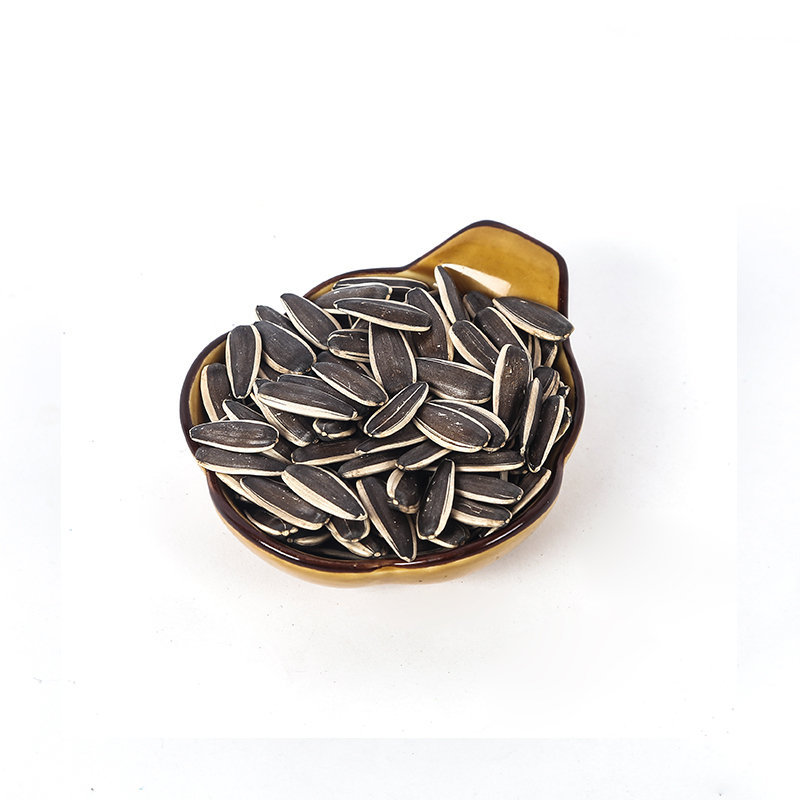
Hulled sunflower seeds, a significant agricultural product originating from Helianthus annuus, represent a crucial component within the global food and feed industries. China is a leading producer and exporter of these seeds, categorized as oilseeds due to their high oil content. This technical guide details the manufacturing, properties, performance, and potential failure modes of hulled sunflower seeds destined for both human consumption and industrial applications. The processing removes the pericarp (hull), resulting in a kernel boasting enhanced nutritional value and palatability. The economic importance stems from both the seeds themselves and the by-products generated during processing – particularly sunflower oil and dehulled seed meal. The industry faces critical challenges regarding seed quality control, minimizing kernel damage during de-hulling, preventing rancidity, and adhering to stringent international food safety regulations.
Material Science & Manufacturing
Sunflower seeds are primarily composed of lipids (40-50% by weight), proteins (20-25%), carbohydrates (15-20%), and fiber (5-10%). The lipid profile consists largely of linoleic acid (omega-6) and oleic acid (omega-9), dictating the oil's characteristics. The seed coat, or pericarp, is rich in cellulose and lignin, providing structural integrity but also necessitating removal for enhanced palatability and digestibility. Manufacturing begins with harvesting mature seeds, typically with a moisture content of 9-12%. Pre-cleaning removes debris like stems, leaves, and stones. The crucial de-hulling process is typically accomplished using impact dehullers or centrifugal dehullers. Impact dehullers utilize rotating abrasive surfaces to crack the hull, while centrifugal dehullers employ controlled impacts against a stationary surface. Parameter control during de-hulling is paramount; excessive impact force leads to kernel damage (splits, cracks), while insufficient force results in incomplete hull removal. Following de-hulling, seeds undergo further cleaning (air separation, screening) to remove remaining hulls and foreign matter. Sorting by size and density is often employed to ensure product uniformity. Finally, seeds are dried to a moisture content of approximately 8% to inhibit microbial growth and enzymatic activity, extending shelf life. The quality of the raw seed material (cultivar, growing conditions) profoundly impacts the efficiency of de-hulling and the final product quality. Specifically, seed size, shape, and hull thickness influence the optimal de-hulling parameters.
Performance & Engineering
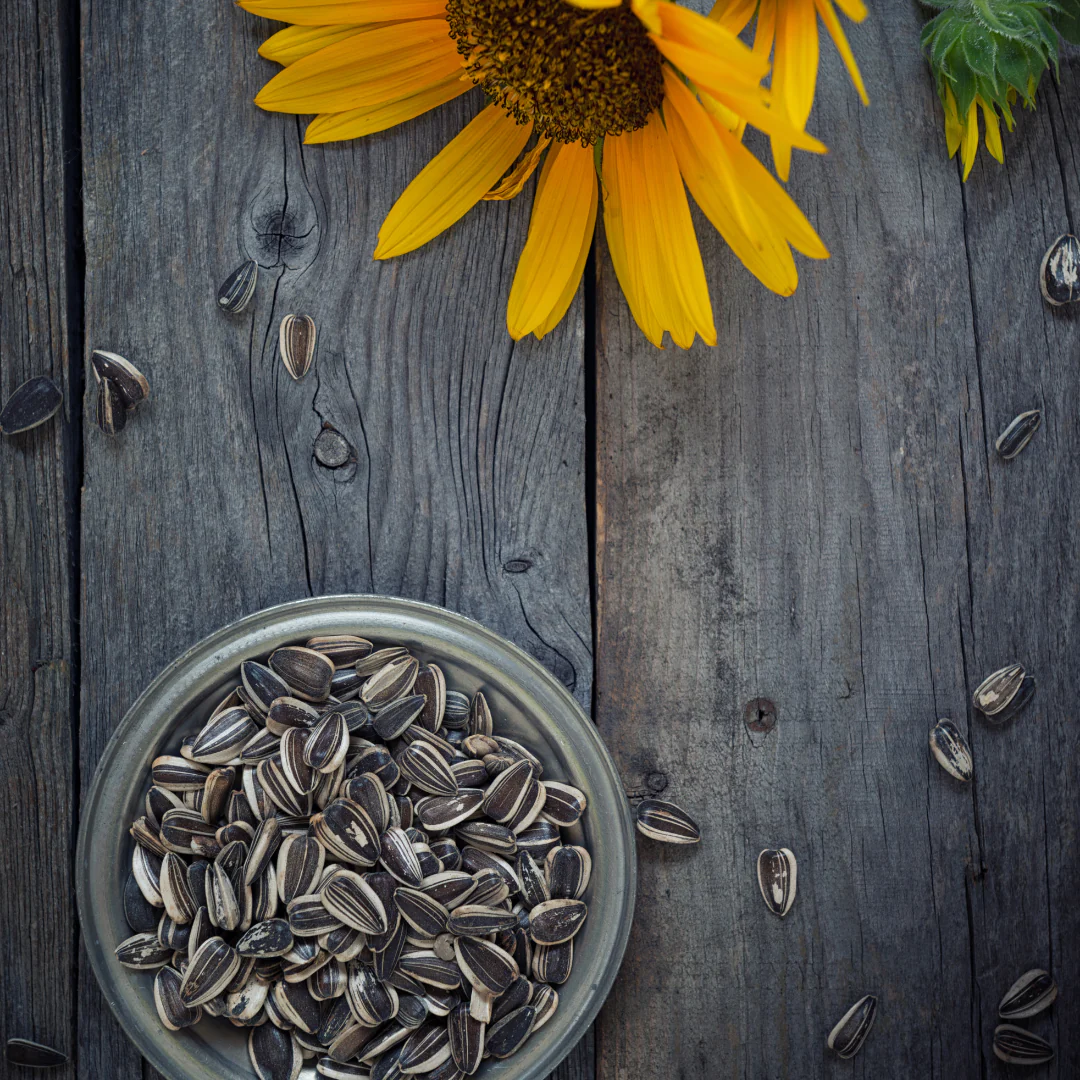
The performance of hulled sunflower seeds is largely defined by their nutritional profile, structural integrity, and stability. From an engineering perspective, key considerations include resistance to shear forces during processing and transportation, susceptibility to oxidation and rancidity, and adherence to food safety standards. Kernel strength is a critical factor; excessively brittle kernels are prone to breakage during handling, increasing fines and reducing market value. Force analysis, employing methods such as texture profile analysis (TPA), quantifies the hardness, cohesiveness, and adhesiveness of the kernels. Environmental resistance, specifically to temperature and humidity fluctuations, impacts storage stability. High temperatures accelerate lipid oxidation, leading to rancidity and off-flavors. Moisture content is crucial; exceeding 8% promotes microbial growth, while excessively low moisture can cause brittleness. Compliance requirements encompass regulations set by organizations like the FDA (Food and Drug Administration) and EFSA (European Food Safety Authority) regarding permissible levels of contaminants (aflatoxins, heavy metals) and adherence to Good Manufacturing Practices (GMP). The seed's oil content dictates its value in oil extraction processes. The oil yield is directly correlated to the seed’s lipid concentration and the efficiency of the extraction method (solvent extraction, mechanical pressing). The residual oil content in the dehulled seed meal affects its suitability for animal feed applications.
Technical Specifications
| Parameter | Units | Typical Value (China Export Grade) | Acceptable Range |
|---|---|---|---|
| Moisture Content | % | 7.5 | 6.0 - 9.0 |
| Oil Content (Dry Basis) | % | 48 | 45 - 55 |
| Kernel Damage (Splits/Broken Kernels) | % | 3 | ≤ 5 |
| Foreign Matter (FM) | % | 0.5 | ≤ 1.0 |
| Aflatoxin B1 | ppb | < 2 | ≤ 20 (Regulatory Limit) |
| Hull Content | % | 0.2 | ≤ 0.5 |
Failure Mode & Maintenance
Hulled sunflower seeds are susceptible to several failure modes. Rancidity, caused by lipid oxidation, is a primary concern, manifesting as off-flavors and odors. This is accelerated by exposure to oxygen, light, and high temperatures. Kernel cracking or splitting occurs during de-hulling, transportation, or handling, reducing quality and increasing fines. Microbial contamination, particularly by Aspergillus species, can lead to aflatoxin production, a potent carcinogen. Insect infestation is another potential failure mode, causing seed damage and contamination. Physical damage during processing can lead to the release of fatty acids and the initiation of oxidative degradation. Preventive maintenance of de-hulling equipment (regular inspection, lubrication, and replacement of worn parts) is crucial to minimize kernel damage. Proper storage conditions – cool, dry, and dark – are essential to inhibit rancidity and microbial growth. Regular monitoring of aflatoxin levels and moisture content is critical. Packaging materials with low oxygen permeability (e.g., metalized films) help to extend shelf life. Implementing a robust quality control system, including seed sourcing, processing control, and finished product testing, is vital to mitigate these failure modes. Utilizing antioxidants, such as tocopherols, can further enhance oxidative stability.
Industry FAQ
Q: What are the key differences between high-oleic and standard linoleic sunflower seeds and how does this affect processing?
A: High-oleic sunflower seeds contain a significantly higher proportion of oleic acid (typically >70%) compared to standard linoleic seeds (typically 60-70% linoleic acid). This increased oleic acid content translates to greater oxidative stability, extending shelf life and reducing the risk of rancidity. During processing, high-oleic seeds require less stringent control of temperature and oxygen exposure. The oil extracted from high-oleic seeds is also more stable and suitable for applications requiring high-temperature stability, such as frying.
Q: How does the moisture content of the raw sunflower seeds impact the de-hulling efficiency and kernel quality?
A: Optimal moisture content for de-hulling is typically between 9-12%. Seeds that are too dry are brittle and prone to breakage, resulting in increased fines and reduced yield. Seeds that are too wet are difficult to de-hull efficiently, leading to incomplete hull removal and increased energy consumption. Maintaining the correct moisture content ensures efficient hull separation without causing excessive kernel damage.
Q: What are the acceptable levels of aflatoxin contamination, and what testing methods are commonly employed?
A: Regulatory limits for aflatoxin B1 vary by country, but generally fall within the range of 2-20 ppb. The EU and many other regions adhere to a 2 ppb limit. Commonly employed testing methods include ELISA (Enzyme-Linked Immunosorbent Assay) for rapid screening and HPLC (High-Performance Liquid Chromatography) for more accurate quantification. Regular testing throughout the supply chain – from seed sourcing to finished product – is crucial to ensure compliance.
Q: How do different de-hulling technologies (impact vs. centrifugal) affect the final product quality?
A: Impact dehullers are generally less expensive but tend to result in higher levels of kernel damage, particularly splits and cracks. Centrifugal dehullers offer more precise control and typically produce higher-quality kernels with lower damage rates. However, they are more complex and require more maintenance. The choice of technology depends on the desired product quality and the scale of operation.
Q: What packaging materials are recommended to maximize the shelf life of hulled sunflower seeds?
A: Packaging materials with low oxygen permeability and good moisture barrier properties are essential. Metalized films, multi-layer plastic laminates, and vacuum packaging are commonly used. Including a desiccant packet can further reduce moisture levels. Nitrogen flushing can displace oxygen within the package, minimizing oxidation. The packaging material should also be resistant to punctures and tears to maintain its protective barrier.
Conclusion
Hulled sunflower seeds represent a valuable commodity within the agricultural sector, demanding meticulous attention to material science, manufacturing processes, and quality control. Maintaining optimal moisture content, employing appropriate de-hulling technology, and implementing robust storage and packaging protocols are crucial to preserving seed quality and preventing degradation. Adherence to stringent international safety standards regarding aflatoxin levels and foreign matter is paramount for market access and consumer confidence.
Future advancements in sunflower seed breeding will likely focus on enhancing kernel strength, increasing oil content, and improving resistance to pests and diseases. Process optimization, including the development of more efficient de-hulling technologies and improved quality sorting systems, will further enhance the economic viability of the industry. Continued research into novel packaging materials and preservation techniques will be essential to extend shelf life and meet the growing demand for high-quality hulled sunflower seeds globally.
