Introduction
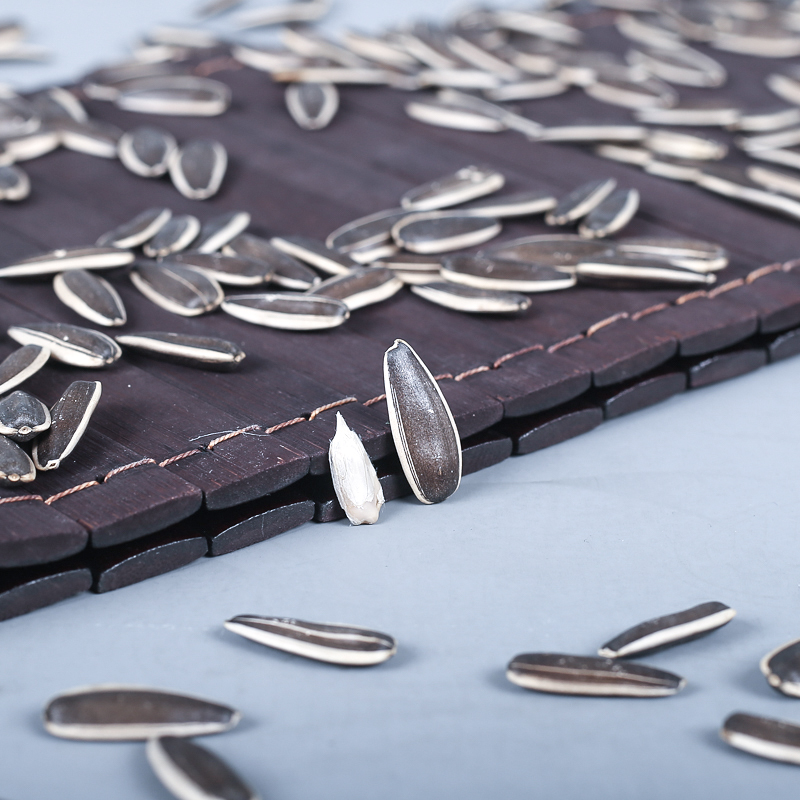
China sunflower seeds for sale represent a significant commodity within the global edible seed market. These seeds, Helianthus annuus, are categorized based on size, oil content, and intended use – confectionary, oil extraction, or birdseed. China is a major producer and exporter, influencing global pricing and availability. Technically, the value proposition centers around consistent kernel size, low moisture content (critical for storage stability), and acceptable levels of aflatoxins and other mycotoxins. Performance is assessed via oil yield, protein content, and shelling rate, all impacting profitability for processors and consumer acceptability. This guide details the material science, manufacturing processes, performance characteristics, failure modes, and industry standards governing the production and trade of Chinese sunflower seeds.
Material Science & Manufacturing
Sunflower seeds are primarily composed of a hull (pericarp), kernel (cotyledon), and embryo. The hull constitutes approximately 20-30% of the seed’s weight and provides physical protection. The kernel, containing approximately 50-65% oil and 20-25% protein, is the economically valuable portion. The oil is composed primarily of linoleic acid (around 60-75%), oleic acid (15-30%), and palmitic acid (around 4-7%). Protein consists of globulins and albumins. Manufacturing begins with cultivar selection based on desired oil content and kernel size. Cultivation practices—soil composition, irrigation, and fertilization—significantly affect seed quality. Harvesting is crucial; premature harvesting results in smaller kernels and lower oil content. Post-harvest processing includes cleaning (removal of debris), drying (reducing moisture content to 8-10% to prevent fungal growth), dehulling (mechanical removal of the hull), grading (based on size and quality), and sorting (removing damaged or discolored seeds). Dehulling efficiency is a key parameter, impacting yield and minimizing kernel damage. Color sorting technology, employing computer vision, ensures consistent product appearance. Temperature control during drying is paramount; excessive heat can denature proteins and reduce oil quality. The seed’s lipid profile is susceptible to oxidation, particularly during storage, necessitating the addition of antioxidants like tocopherols (Vitamin E) in some processing scenarios.
Performance & Engineering
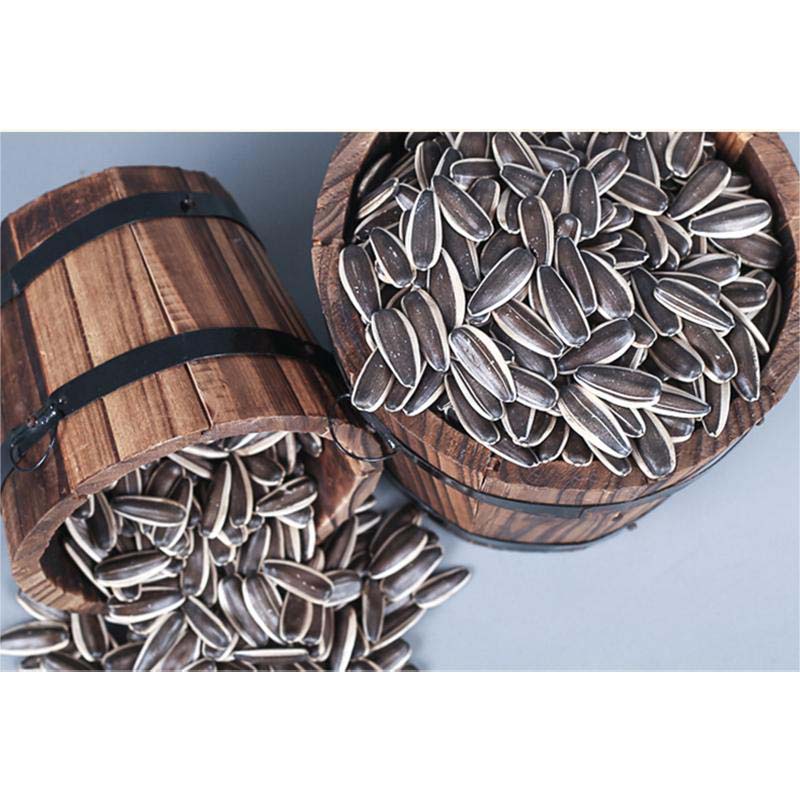
The mechanical properties of sunflower seeds are critical for processing efficiency. Kernel hardness, measured by compression testing, affects dehulling force requirements. Hull rupture strength dictates the optimal impact force used during dehulling. The seeds’ coefficient of friction influences conveying and sorting processes. Environmental resistance primarily concerns moisture control. High humidity promotes fungal growth and aflatoxin production, necessitating hermetic storage solutions and desiccants. Temperature fluctuations can induce cracking, reducing seed quality. Compliance requirements encompass food safety regulations (aflatoxin limits – see Standards & Regulations), pesticide residue limits (regulated by national and international bodies), and labeling requirements. Functional implementation—the intended use of the seeds—dictates specific quality parameters. Confectionary seeds require larger kernel size, a consistent shape, and a mild flavor. Oil extraction seeds prioritize oil yield and protein content. Packaging engineering focuses on maintaining low moisture levels and preventing oxidation. Modified atmosphere packaging (MAP) using nitrogen can extend shelf life by minimizing oxygen exposure. The seeds' bulk density is an important parameter for storage and transportation logistics, influencing container loading capacity and shipping costs.
Technical Specifications
| Parameter | Unit | Typical Range (China Sunflower Seeds) | Testing Method |
|---|---|---|---|
| Kernel Oil Content | % | 48-58 | Soxhlet Extraction (GB/T 5009.3) |
| Kernel Protein Content | % | 18-24 | Kjeldahl Method (GB/T 5009.6) |
| Kernel Moisture Content | % | 8-10 | Oven Drying Method (GB/T 5009.4) |
| Kernel Size (1000-Kernel Weight) | g | 50-70 | Automated Seed Counter/Weighing |
| Aflatoxin B1 | µg/kg (ppb) | < 5 | ELISA Method (GB 50008.197) |
| Free Fatty Acid (FFA) | % | < 1.0 | Titration Method (GB 5009.8) |
Failure Mode & Maintenance
Sunflower seeds are susceptible to several failure modes. Aflatoxin contamination is a major concern, arising from fungal growth (primarily Aspergillus flavus and Aspergillus parasiticus) during pre- and post-harvest stages. Preventative maintenance includes proper drying, storage in well-ventilated, low-humidity environments, and the application of antifungal treatments where permissible. Lipid oxidation, leading to rancidity, occurs due to exposure to oxygen, light, and heat. Mitigation strategies involve antioxidant addition, packaging in opaque, airtight containers, and controlled storage temperatures. Mechanical damage during harvesting, dehulling, or transportation can result in cracked kernels, reducing quality and increasing susceptibility to microbial attack. Implementing gentle handling procedures and optimizing processing parameters minimizes damage. Insect infestation can lead to seed loss and contamination. Proper sanitation, pest control measures, and hermetic storage prevent infestation. Germination failure (if seeds are intended for replanting) can occur due to seed aging, mechanical damage, or improper storage conditions. Maintaining optimal moisture content and storage temperatures is crucial for preserving viability. Regular quality control testing – monitoring aflatoxin levels, oil content, and moisture content – is essential for identifying and addressing potential failures.
Industry FAQ
Q: What is the primary difference between confectionary and oil-bearing sunflower seed varieties?
A: Confectionary varieties are bred for larger kernel size, a higher hull-to-kernel ratio, and a more consistent shape, optimizing their appeal for direct consumption. Oil-bearing varieties prioritize oil yield and protein content, often having smaller kernels and a lower hull-to-kernel ratio. The chemical composition of the oil (oleic vs. linoleic acid content) also differs, tailored to specific refining processes.
Q: How do different drying methods impact the quality of sunflower seeds?
A: Excessive heat during drying (above 60°C) can denature proteins, reduce oil quality, and cause kernel cracking. Air drying and low-temperature forced-air drying are preferred methods, minimizing these negative impacts. Controlled drying rates are crucial to prevent case hardening and maintain kernel integrity.
Q: What are the acceptable limits for aflatoxin contamination in sunflower seeds destined for the EU market?
A: The European Union establishes stringent limits for aflatoxin B1, typically at 2 µg/kg (ppb). Regular testing and adherence to Good Agricultural Practices (GAP) are essential to meet these requirements. Exceeding these limits results in rejection of the shipment.
Q: What role does packaging play in preserving the quality of sunflower seeds during long-term storage?
A: Packaging serves as a critical barrier against moisture, oxygen, and light. Hermetically sealed packaging, utilizing materials with low oxygen transmission rates (OTR) and low water vapor transmission rates (WVTR), is essential. Modified atmosphere packaging (MAP) with nitrogen further extends shelf life. Opaque packaging protects against light-induced oxidation.
Q: How are sunflower seeds graded based on quality?
A: Grading typically considers kernel size, damage (cracked, broken, or discolored kernels), foreign matter content, and moisture content. Different grading standards exist (e.g., US No. 1, No. 2), with specific tolerances for each parameter. Visual inspection and mechanical sorting are used to assess quality and assign grades.
Conclusion
China sunflower seeds for sale represent a complex agricultural commodity requiring meticulous attention to material science, manufacturing processes, and quality control. Achieving optimal performance hinges on controlling key parameters throughout the entire supply chain, from cultivar selection and cultivation practices to harvesting, processing, and storage. Maintaining low moisture content, preventing aflatoxin contamination, and minimizing mechanical damage are paramount.
Future advancements will likely focus on developing more aflatoxin-resistant cultivars, improving dehulling efficiency, and utilizing advanced packaging technologies to extend shelf life and preserve seed quality. Adherence to international standards and rigorous quality control protocols remain critical for ensuring the consistent delivery of safe, high-quality sunflower seeds to global markets.
