Introduction
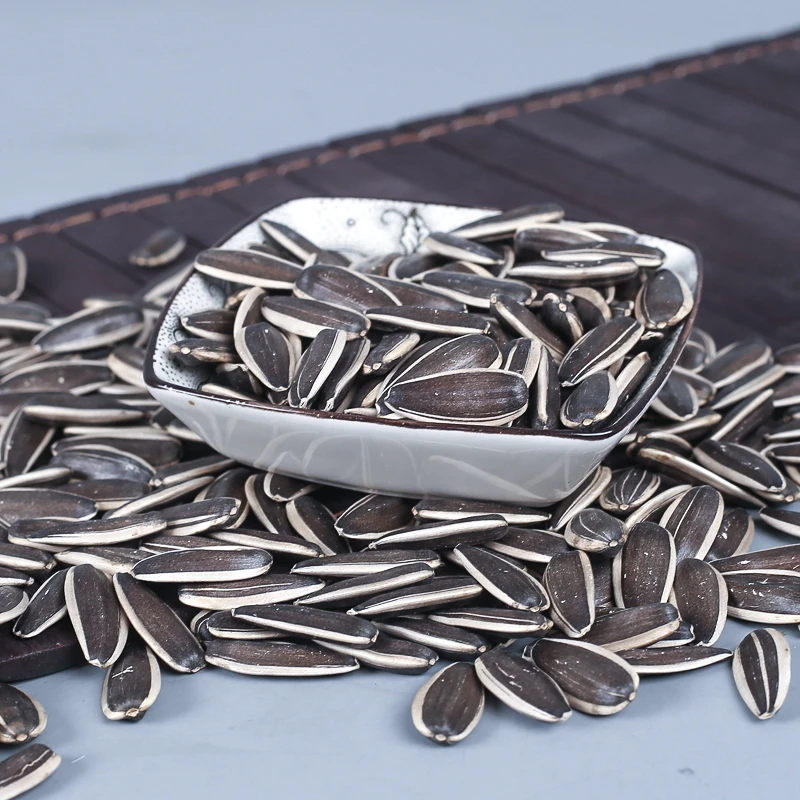
Sunflower seeds ( Helianthus annuus) for human consumption represent a significant agricultural commodity, particularly from China, which is a leading global producer. These seeds occupy a unique position within the food chain, functioning as both a direct snack food and a source material for oil production. The kernel, encased within a hull, is the edible portion, prized for its nutritional value – high in unsaturated fats, protein, vitamins (particularly Vitamin E), and minerals. China's production focuses on both oil-type and confectionary-type sunflowers, with confectionary varieties undergoing processing to optimize flavor, size, and shelling characteristics. Core performance characteristics center around oil content (for oil-type), kernel size, hulling percentage, moisture content, and freedom from contaminants like aflatoxins. This guide will detail the material science, manufacturing processes, performance parameters, potential failure modes, and relevant standards governing these seeds for global consumption.
Material Science & Manufacturing
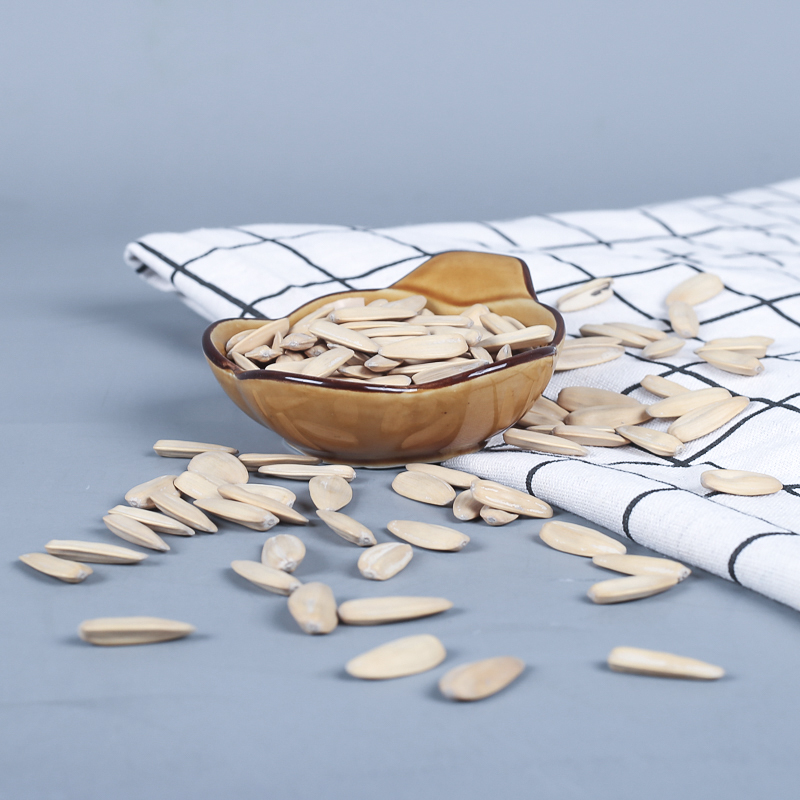
Sunflower seeds are biologically complex, comprising approximately 35-55% oil, 20-30% protein, 10-20% carbohydrate (primarily starch), and 5-15% moisture. The kernel’s lipid profile is dominated by linoleic acid (an omega-6 fatty acid) and oleic acid (an omega-9 fatty acid), the ratio impacting oxidative stability and flavor. The hull, a protective outer layer, consists primarily of cellulose and lignin, influencing hulling ease. Manufacturing begins with seed selection, focusing on high-yielding, disease-resistant hybrids. Cultivation involves careful control of soil conditions, irrigation, and fertilization. Harvesting typically occurs when the seed moisture content reaches 18-20%. Post-harvest processing includes cleaning (removal of debris), drying (to 8-10% moisture content to prevent mold growth), dehulling (mechanical or chemical methods – impacting kernel damage and yield), sizing (grading based on kernel dimensions), and sorting (removal of damaged or discolored seeds using optical sorters). Critical parameters during drying include temperature and airflow, to prevent cracking and maintain oil quality. Dehulling pressure and impact force must be optimized to maximize yield while minimizing kernel breakage. Chemical treatments, such as surface coating with food-grade polymers, are sometimes employed to improve shellability and prevent oxidation.
Performance & Engineering
The performance of sunflower seeds is assessed based on several engineering principles. Hulling efficiency is determined by the balance between force applied during dehulling and the kernel's resistance, governed by hull thickness and seed moisture content. Force analysis dictates the design of dehulling machinery. Environmental resistance relates to storage stability; high moisture content and temperature promote lipid oxidation and the growth of Aspergillus species, leading to aflatoxin contamination. Packaging materials must provide an effective oxygen barrier to minimize oxidative rancidity. Compliance requirements are stringent, encompassing maximum permissible levels of aflatoxins (regulated by various national and international bodies), heavy metals, pesticide residues, and microbiological contamination. Functional implementation involves understanding the seed's response to processing (roasting, salting, flavoring). Roasting temperature and time significantly affect flavor development (Maillard reaction) and lipid oxidation rates. Surface coatings, if applied, must exhibit adhesion, flexibility, and resistance to abrasion during handling and transportation. The structural integrity of the kernel is vital, as cracked kernels are more susceptible to oxidative degradation and microbial invasion.
Technical Specifications
| Parameter | Unit | Oil-Type Sunflower Seeds | Confectionary Sunflower Seeds |
|---|---|---|---|
| Oil Content (Dry Basis) | % | 42-58 | 38-48 |
| Kernel Moisture Content | % | 8-10 | 8-10 |
| Kernel Size (Average Diameter) | mm | 6-8 | 10-16 |
| Hulling Percentage (Kernel Weight/Total Seed Weight) | % | 50-60 | 65-75 |
| Aflatoxin B1 (Maximum Permissible Level) | µg/kg | 2-5 (Varies by Country) | 2-5 (Varies by Country) |
| Free Fatty Acid (FFA) Content | % | <0.5 | <0.5 |
Failure Mode & Maintenance
Sunflower seeds are susceptible to several failure modes. Lipid oxidation, leading to rancidity, is a primary concern, exacerbated by exposure to oxygen, light, and high temperatures. This is manifested as off-flavors and a reduction in nutritional value. Aflatoxin contamination, caused by Aspergillus fungi, poses a serious health risk and is often indicated by visible mold growth or discoloration. Mechanical damage (cracking, chipping) during handling and processing increases susceptibility to oxidation and microbial invasion. Hull fragments remaining attached to kernels affect product appearance and consumer acceptability. Degradation of surface coatings (if applied) can reduce shellability and oxidative stability. Maintenance involves strict adherence to good storage practices – cool, dry, and dark conditions. Regular monitoring of moisture content and aflatoxin levels is crucial. Proper cleaning and sanitation of processing equipment are essential to prevent microbial contamination. Packaging should utilize materials with high oxygen barrier properties. For large-scale storage, controlled atmosphere storage (nitrogen flushing) can significantly extend shelf life. Visual inspection and sorting procedures should identify and remove damaged or contaminated seeds.
Industry FAQ
Q: What is the primary difference between oil-type and confectionary sunflower seeds, and how does this affect processing?
A: Oil-type seeds are bred for high oil content, prioritizing yield for oil extraction. They typically have smaller kernels and a higher hulling percentage. Confectionary seeds are selected for larger kernel size, good flavor, and ease of shelling for direct consumption. Processing differs significantly; oil-type seeds undergo pressing or solvent extraction, while confectionary seeds require dehulling, sizing, and often roasting and flavoring. Oil-type seeds usually have a lower price point than confectionary varieties.
Q: How are aflatoxin levels controlled during sunflower seed production and storage?
A: Aflatoxin control begins in the field with selecting disease-resistant varieties and minimizing pre-harvest stress. Proper drying to a moisture content of 8-10% is critical, as Aspergillus growth is inhibited at this level. Storage facilities must be clean, dry, and well-ventilated. Regular testing for aflatoxin levels is essential, and contaminated batches must be rejected or treated appropriately (although treatment options are limited due to regulatory concerns).
Q: What impact does the dehulling process have on the quality of confectionary sunflower seeds?
A: Dehulling significantly impacts kernel integrity and yield. Aggressive dehulling can lead to kernel breakage, increasing susceptibility to oxidation and reducing consumer appeal. Gentle dehulling methods, such as impact dehullers with adjustable pressure, are preferred. The percentage of kernel damage should be minimized to maintain optimal quality. Proper sorting after dehulling removes hull fragments and damaged kernels.
Q: What are the critical packaging considerations for maintaining sunflower seed quality during transportation and storage?
A: Packaging must provide a strong oxygen barrier to prevent lipid oxidation. Materials like metallized films or high-barrier plastics are commonly used. The packaging should also protect against moisture, light, and physical damage. Vacuum packaging or nitrogen flushing can further extend shelf life by reducing oxygen levels. Proper sealing is essential to maintain package integrity.
Q: What role do surface coatings play in sunflower seed processing, and what are the common coating materials used?
A: Surface coatings, typically applied to confectionary seeds, improve shellability, reduce stickiness, and enhance oxidative stability. Common coating materials include food-grade polymers (e.g., polyethylene glycol), waxes, and vegetable oils. The coating should be thin, uniform, and adhere well to the kernel surface without affecting flavor or consumer acceptability. Regulations dictate the permissible coating materials and maximum application levels.
Conclusion
China's sunflower seed industry plays a vital role in the global food supply, demanding a comprehensive understanding of the inherent material science and rigorous manufacturing controls. Maintaining seed quality—particularly regarding oil content, kernel integrity, and freedom from contaminants like aflatoxins—is paramount. Successful processing hinges on precise control of drying, dehulling, and storage parameters, aligned with international standards for food safety and quality.
Looking ahead, advancements in breeding programs focusing on improved disease resistance and oil profiles, coupled with innovative packaging technologies, will be crucial for enhancing the sustainability and competitiveness of the Chinese sunflower seed industry. Continued investment in quality control infrastructure and adherence to evolving regulatory requirements will remain essential for ensuring the consistent delivery of safe and high-quality sunflower seeds to the global market.
