Introduction
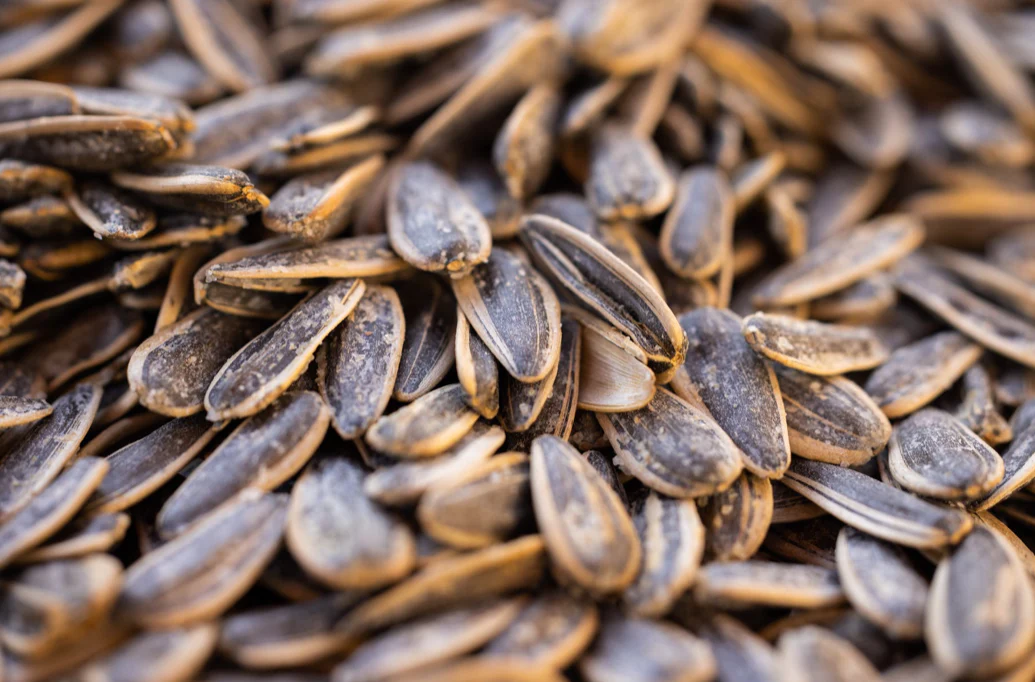
China sunflower seeds, commercially available online, represent a significant segment of the global oilseed and snack food markets. These seeds, Helianthus annuus, are categorized by kernel size, oil content, and intended use – confectionery, oil extraction, or birdseed. The online procurement of these seeds presents unique challenges and opportunities concerning quality control, traceability, and logistical considerations, particularly within a B2B context. The technical aspects critical to understanding their suitability range from seed maturity and moisture content to the presence of mycotoxins and the efficacy of post-harvest processing. This guide provides an in-depth analysis of these factors, targeting procurement managers and quality control engineers involved in the sourcing of china sunflower seeds.
Material Science & Manufacturing
Sunflower seed composition varies based on genotype, growing conditions, and maturity. The primary components are the kernel (approximately 50-65% oil, 20-30% protein, and 10-15% carbohydrates) and the hull (approximately 20-30% by weight). Oil content is a crucial determinant of quality, with linoleic acid typically comprising 60-70% of the oil, followed by oleic acid (15-30%). Manufacturing begins with field harvesting, followed by drying to a moisture content of 9-10% to prevent fungal growth. De-hulling is a critical process; mechanical dehulling methods utilize impact and friction. Incomplete dehulling leads to increased hull content, lowering the seed’s commercial value and affecting oil extraction efficiency. Seed grading is performed based on size and density, often employing screens and air separators. Post-harvest treatment, including cleaning and sorting, utilizes optical sorters to remove foreign material and discolored seeds. Quality control measures at this stage focus on minimizing cracked kernels and broken hulls. Thermal processing, such as roasting or extrusion, is employed for confectionery seeds, influencing flavor and texture. Parameter control during drying (temperature, airflow) is critical to avoid denaturation of proteins and lipids. Storage conditions (temperature, humidity) also significantly impact seed quality; elevated temperatures accelerate lipid oxidation and reduce germination rates.

Performance & Engineering
The performance of china sunflower seeds, in the context of industrial applications (oil extraction, food processing), is determined by several engineering factors. Shear force analysis during dehulling is crucial for optimizing equipment parameters and minimizing kernel damage. Hull strength and kernel hardness, measurable using impact testing, are critical variables. For oil extraction, the oil yield and oil quality are paramount. Oil yield is affected by seed density, oil content, and the efficiency of the extraction process (mechanical pressing vs. solvent extraction). Oil quality, assessed through parameters like peroxide value, acid value, and color, is influenced by the level of oxidation and the presence of free fatty acids. Environmental resistance, particularly to moisture and temperature fluctuations during transport and storage, is a significant consideration. Packaging materials play a crucial role in maintaining seed quality and preventing moisture ingress. Compliance requirements pertain to food safety regulations (mycotoxin levels, pesticide residues) and labeling standards. Particle size distribution of the seeds affects flowability in processing equipment and the efficiency of roasting or other thermal treatments. Storage stability is directly linked to the initial seed quality and the control of environmental factors – maintaining low temperature and humidity is crucial for minimizing lipid oxidation and preserving germination rates.
Technical Specifications
| Parameter | Unit | Typical Range (Confectionery Seeds) | Typical Range (Oil Extraction Seeds) |
|---|---|---|---|
| Oil Content | % (Dry Basis) | 48-58 | 42-52 |
| Kernel Moisture Content | % | 6-8 | 8-10 |
| Hull Content | % | <5 | 10-20 |
| Foreign Matter | % | <1 | <2 |
| Broken Kernels/Damaged Seeds | % | <3 | <5 |
| Linoleic Acid Content | % of Total Fatty Acids | 60-75 | 55-70 |
Failure Mode & Maintenance
Failure modes in china sunflower seeds during handling, storage, and processing are diverse. Physical damage (cracking, chipping) occurs during harvesting, dehulling, and transportation, reducing commercial value. Lipid oxidation, leading to rancidity, is a primary degradation pathway, accelerated by heat, light, and exposure to oxygen. Mycotoxin contamination, primarily by Aspergillus species, poses a significant food safety risk, particularly under humid storage conditions. Insect infestation can lead to seed loss and contamination. Delamination of the kernel can occur due to improper drying or excessive moisture exposure. Maintenance of seed quality involves stringent storage conditions (temperature <15°C, humidity <65%), regular monitoring for mycotoxins and insect infestation, and appropriate packaging to prevent moisture ingress and oxidation. Preventative measures include utilizing proper harvesting techniques to minimize physical damage, employing effective drying methods to reduce moisture content, and implementing a robust pest control program. Regular quality control testing for oil content, moisture content, and mycotoxin levels is essential. Seed coating with anti-oxidants or fungicides can enhance storage stability. For oil extraction, proper maintenance of pressing or solvent extraction equipment is crucial to prevent contamination and maximize oil yield.
Industry FAQ
Q: What are the primary mycotoxin concerns when sourcing sunflower seeds from China?
A: Aflatoxins (B1, B2, G1, G2) are the most significant mycotoxin concern. Ochratoxin A is also a potential contaminant. Regulations in importing countries typically have strict maximum allowable limits for these toxins. Testing protocols (HPLC, ELISA) are used to ensure compliance. Proper pre-harvest and post-harvest handling, coupled with stringent storage conditions, are crucial for minimizing mycotoxin formation.
Q: How does seed maturity affect oil yield and quality?
A: Optimal maturity is crucial. Immature seeds have lower oil content and higher moisture content, impacting both yield and storage stability. Overmature seeds may exhibit reduced oil quality due to increased lipid oxidation. Determining the appropriate harvest time requires careful monitoring of kernel moisture content and hull color.
Q: What is the significance of the 'hull content' specification?
A: High hull content reduces the overall oil yield in extraction processes and lowers the commercial value of confectionery seeds. Hulls also increase the abrasive nature of the seed mixture, leading to increased wear on processing equipment. Effective dehulling is critical for minimizing hull content.
Q: What packaging materials are recommended for long-term storage of sunflower seeds?
A: Moisture-proof, airtight packaging is essential. Multi-layer polypropylene (PP) woven bags with a polyethylene (PE) liner are commonly used. Vacuum sealing or modified atmosphere packaging (MAP) with nitrogen flushing can further extend shelf life by minimizing oxidation. The packaging material must also be resistant to insect penetration.
Q: What quality control tests are essential for verifying the specifications of incoming shipments?
A: Essential tests include moisture content determination (oven drying method), oil content analysis (solvent extraction method), foreign matter inspection (visual sorting), damaged kernel assessment (visual inspection & sieving), mycotoxin analysis (HPLC or ELISA), and fatty acid profile analysis (gas chromatography).
Conclusion
The procurement of china sunflower seeds demands a thorough understanding of the interplay between agricultural practices, material science, and engineering principles. Maintaining consistent seed quality requires diligent oversight of the entire supply chain, from cultivation and harvesting to processing, storage, and transportation. Rigorous adherence to established technical specifications and quality control procedures is essential for mitigating risks associated with mycotoxin contamination, lipid oxidation, and physical damage.
Future trends in sunflower seed technology are focused on developing higher-yielding, disease-resistant cultivars with enhanced oil profiles. Sustainable agricultural practices and traceability systems are gaining prominence, driven by consumer demand and regulatory requirements. Continued investment in advanced processing technologies will further improve oil extraction efficiency and enhance the overall quality of sunflower seed products.
