Introduction
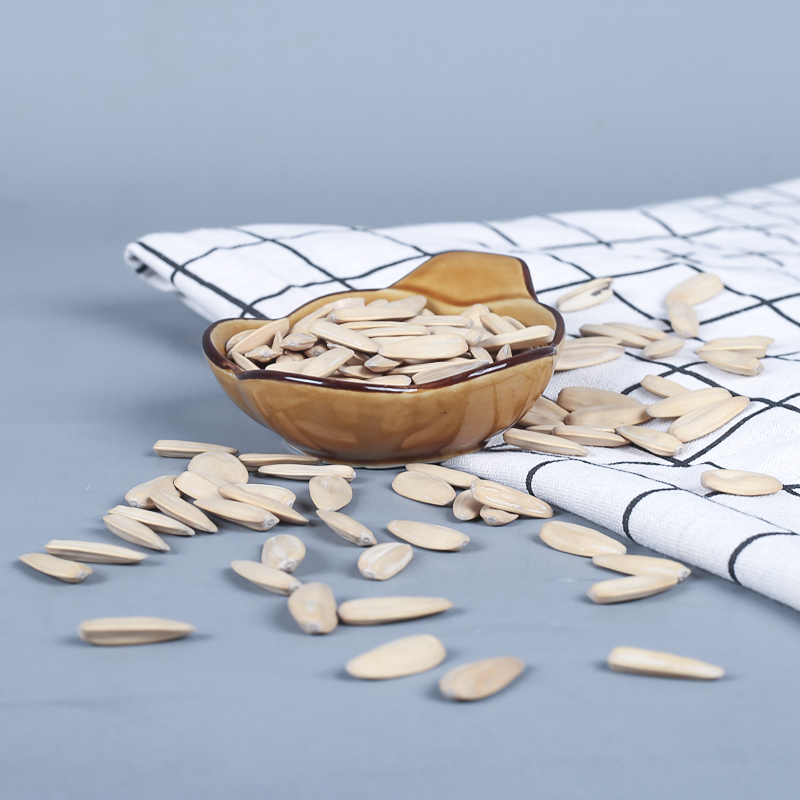
China sunflower seeds bulk represent a significant commodity within the global agricultural market, serving as both a direct human food source and a critical input for oil extraction. Positioned within the broader oilseed complex, these seeds undergo extensive processing to yield sunflower oil, a widely consumed vegetable oil. Beyond the oil industry, hulled sunflower seeds (kernel) are directly consumed as snacks and ingredients in food manufacturing. This guide details the technical characteristics of china sunflower seeds bulk, focusing on quality parameters relevant to international trade, processing efficiency, and end-use performance. Core performance characteristics include oil content, kernel size and shape uniformity, protein content, moisture levels, and the presence of extraneous matter. A key industry challenge revolves around maintaining consistent quality control throughout the supply chain, from field cultivation to post-harvest handling, storage, and ultimately, bulk export.
Material Science & Manufacturing
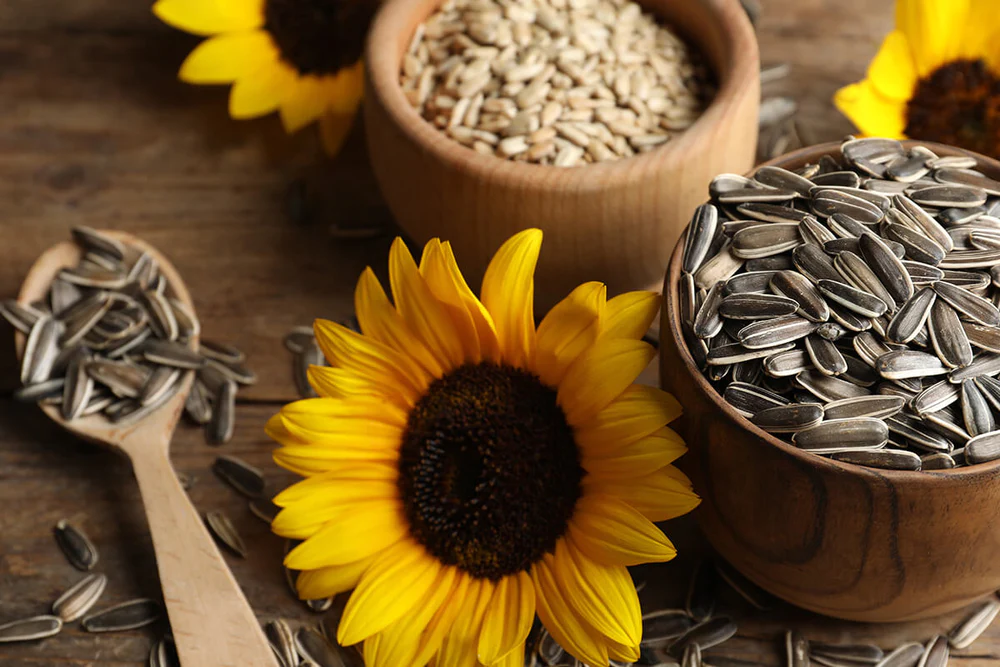
Sunflower seeds (Helianthus annuus) are composed primarily of an oil-rich kernel enclosed within a hull (husk). The kernel constitutes approximately 65-75% of the total seed weight, with the remainder being the hull. The kernel’s oil content typically ranges from 42% to 58%, influenced by genetic variety, growing conditions, and maturity at harvest. Key chemical components include triglycerides (oleic, linoleic, palmitic acids), phospholipids, waxes, and sterols. The hull, comprised largely of cellulose and lignin, provides physical protection. Manufacturing begins with agricultural cultivation, followed by harvesting, drying, cleaning, dehulling (for kernel production), and grading. Drying is critical, aiming for a moisture content of 8-10% to inhibit microbial growth and prevent lipid oxidation. Dehulling processes utilize mechanical friction, impacting kernel damage rates. Control parameters during drying include temperature (typically below 60°C to preserve oil quality) and airflow. Cleaning employs screening and aspiration to remove foreign materials like stems, leaves, and weed seeds. Seed varieties are categorized as high oleic, mid-oleic, and linoleic, influencing oil stability and suitability for specific applications. Lipid peroxidation, accelerated by heat, light, and metal ions, is a major concern impacting oil quality and shelf life.
Performance & Engineering
The performance of china sunflower seeds bulk is dictated by several engineering factors. Bulk density, typically ranging from 650-750 kg/m³, influences storage capacity and transportation logistics. Particle size distribution impacts flowability during processing and reduces bridging in silos. Kernel hardness, measured via compression testing, relates to dehulling efficiency and potential for fracture. Moisture content directly affects seed stability and susceptibility to fungal contamination (aflatoxin production being a critical safety concern). Force analysis during dehulling highlights the need to optimize impeller speed and gap settings to minimize kernel damage. Environmental resistance is assessed through accelerated aging tests, evaluating lipid oxidation rates and changes in fatty acid profiles. Compliance requirements involve adhering to maximum permissible levels of contaminants (heavy metals, pesticides), aflatoxins, and moisture content as dictated by importing country regulations. Hulling efficiency is a crucial parameter affecting kernel recovery and processing costs, influenced by seed variety and dehulling equipment design. Flow rate through processing equipment requires precise engineering calculation to minimize bottlenecks and maintain consistent product quality.
Technical Specifications
| Parameter | Unit | Typical Range (China Sunflower Seeds Bulk) | Test Method |
|---|---|---|---|
| Oil Content (Dry Basis) | % | 46 – 54 | NMR (Nuclear Magnetic Resonance) |
| Moisture Content | % | 8 – 10 | Oven Drying (GB/T 5005) |
| Kernel Content | % | 65 – 75 | Manual Sorting/Weight Ratio |
| Foreign Matter | % | ≤ 2 | Visual Inspection/Weight Ratio |
| Broken Kernels/Damaged Kernels | % | ≤ 5 | Visual Inspection/Weight Ratio |
| Acid Value | mg KOH/g | ≤ 1.5 | Titration (GB/T 5009) |
Failure Mode & Maintenance
Failure modes in china sunflower seeds bulk primarily relate to degradation during storage and transport. Lipid oxidation, leading to rancidity and off-flavors, is a common issue. This is accelerated by exposure to oxygen, heat, light, and metal ions. Aflatoxin contamination, caused by Aspergillus molds, represents a significant safety hazard, particularly in humid environments. Mechanical damage during harvesting, dehulling, and handling results in broken kernels, increasing susceptibility to oxidation and mold growth. Insect infestation can also lead to seed damage and quality loss. Preventative maintenance involves proper drying to reduce moisture content, storage in airtight containers under cool, dark conditions, and regular monitoring for pests and mold growth. Quality control measures during processing, such as gentle dehulling techniques and efficient cleaning, minimize kernel damage. Storage facilities should be equipped with temperature and humidity control systems. Regular inspection of shipments for signs of infestation or spoilage is crucial. Proper sanitation protocols are vital to prevent mold contamination. Long-term storage may require the addition of food-grade antioxidants to retard lipid oxidation.
Industry FAQ
Q: What are the key factors influencing oil yield in china sunflower seeds bulk?
A: Several factors contribute to oil yield, including genetic variety (high oleic varieties generally yield more oil), growing conditions (sufficient sunlight and water), maturity at harvest (optimal maturity maximizes oil content), and post-harvest handling (proper drying and storage to prevent oil degradation). Pre-harvest nitrogen levels also play a role; balanced fertilization is crucial.
Q: How is aflatoxin contamination monitored and controlled in sunflower seeds?
A: Aflatoxin levels are monitored through regular laboratory testing using HPLC (High-Performance Liquid Chromatography) or ELISA (Enzyme-Linked Immunosorbent Assay). Control measures include proper drying to reduce moisture content, minimizing kernel damage during harvesting and processing, ensuring good storage hygiene, and employing preventative treatments like calcium propionate. Strict adherence to regulatory limits is essential.
Q: What is the significance of acid value in assessing sunflower seed quality?
A: Acid value indicates the level of free fatty acids present in the oil, representing a measure of lipid hydrolysis and rancidity. A higher acid value suggests the oil has undergone degradation due to enzymatic activity or oxidation. Excessive acid value negatively impacts oil flavor, stability, and suitability for refining.
Q: What are the optimal storage conditions for maintaining the quality of china sunflower seeds bulk?
A: Optimal storage conditions include a cool temperature (below 20°C), low humidity (below 65%), and protection from direct sunlight and oxygen. Seeds should be stored in airtight containers or silos to prevent moisture absorption and oxidation. Regular monitoring for pests and mold growth is also essential.
Q: How does kernel size and shape uniformity impact processing efficiency?
A: Uniform kernel size and shape facilitate more efficient dehulling and grading processes. Non-uniformity can lead to increased breakage rates, lower kernel recovery, and difficulties in sorting. Consistency in kernel characteristics is crucial for optimizing processing parameters and minimizing waste.
Conclusion
China sunflower seeds bulk represent a complex agricultural commodity demanding stringent quality control throughout the entire supply chain. Understanding the material science principles governing seed composition, coupled with precise engineering control during processing and storage, is essential for maximizing oil yield, minimizing losses due to degradation, and ensuring product safety. Adherence to international standards and proactive implementation of preventative maintenance strategies are critical for maintaining the competitive edge in the global market.
Future advancements in sunflower seed breeding programs focused on increasing oil content, improving kernel uniformity, and enhancing resistance to aflatoxin contamination will further elevate the value and quality of china sunflower seeds bulk. Investment in improved storage and transportation infrastructure, coupled with the adoption of advanced monitoring technologies, will also play a vital role in ensuring a consistent supply of high-quality seeds to meet growing global demand.
