Introduction
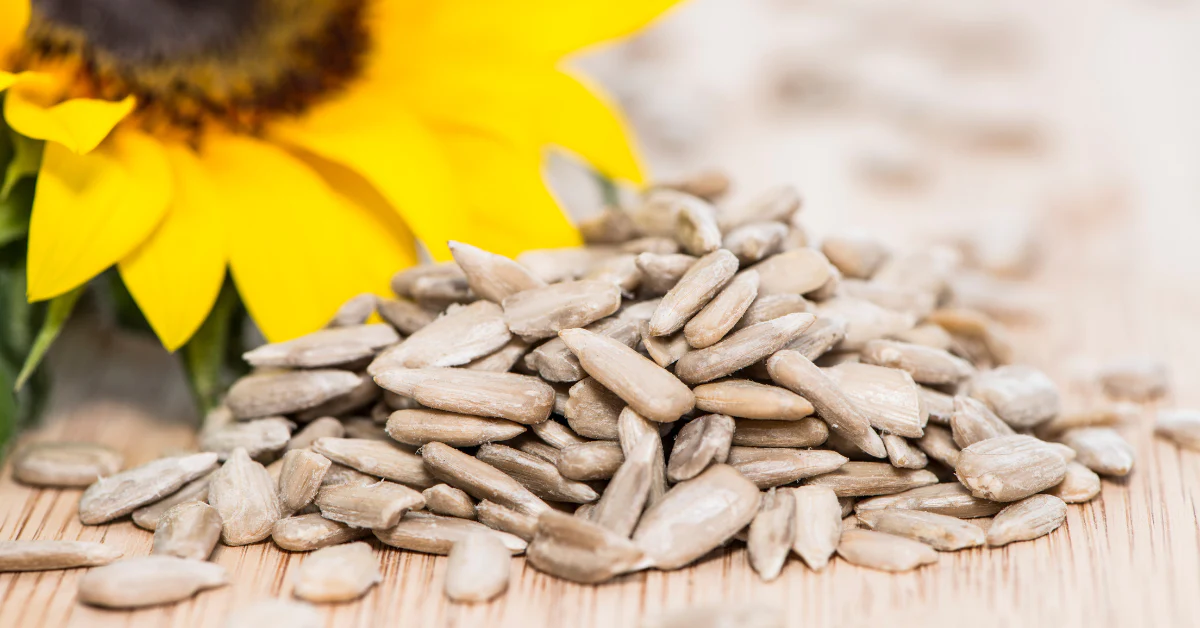
China sunflower seeds, specifically the ‘crunchy bite’ variety, represent a significant segment within the global snack food industry. These seeds are not merely a confection; they are a processed agricultural product subject to stringent quality control, agricultural science, and food safety regulations. Positioned within the broader edible seed market, these sunflower seeds undergo specialized processing – de-hulling, grading, drying, and flavoring – to achieve the desired textural profile and palatability. Core performance characteristics are centered around maintaining kernel integrity during processing, delivering a consistent crunch, optimal oil content for flavor adherence, and prolonged shelf-life without rancidity. The production chain links agricultural practices, post-harvest handling, processing technology, and packaging science. Addressing key industry pain points involves mitigating aflatoxin contamination, optimizing oil stability, and ensuring consistent seed size and maturity for efficient processing. Maintaining competitiveness requires continual innovation in flavor profiles and packaging technologies.
Material Science & Manufacturing
The foundational material, Helianthus annuus (sunflower seed), is characterized by a pericarp (hull) composition primarily of cellulose and lignin, providing structural integrity. The kernel itself is rich in lipids (40-50% oil content, primarily linoleic acid), proteins (20-25%), and carbohydrates. Seed maturity, indicated by moisture content (typically 8-12% post-drying), directly impacts oil quality and processing efficiency. Manufacturing begins with harvesting and initial cleaning to remove debris. De-hulling is a critical step, often employing mechanical abrasion. The efficiency of de-hulling impacts yield and kernel damage. Following de-hulling, seeds are graded based on size and density, often using vibrating screens and air separators. Drying, typically achieved via fluidized bed dryers, reduces moisture content to prevent fungal growth and preserve oil stability. Target moisture content is around 6-8%. Flavoring involves coating the seeds with a precisely formulated mixture of salt, sugar, and flavor compounds. The coating process requires precise control of adhesion and uniformity. Critical parameters include coating solution viscosity, spray nozzle diameter, and drying temperature. Quality control throughout the process employs near-infrared spectroscopy to monitor oil content, colorimetry to assess color uniformity, and texture analysis to measure crunchiness. Chemical compatibility between flavoring agents and the seed oil is paramount to prevent oxidation and rancidity.
Performance & Engineering
Performance is inextricably linked to mechanical properties. The ‘crunch’ sensation is a result of brittle fracture of the kernel during mastication. This brittleness is influenced by moisture content, oil composition, and the presence of micro-fractures induced during processing. Force analysis during compression testing determines the force required to fracture the kernel, providing a quantifiable metric for crunchiness. Environmental resistance focuses on maintaining product quality under varying temperature and humidity conditions. Packaging materials must provide a barrier against moisture ingress and oxygen permeation to prevent rancidity. Compliance requirements are dictated by food safety regulations, including limits on aflatoxin levels (regulated by various national standards), heavy metal contamination, and pesticide residues. Flavor adherence is engineered through precise control of coating application and optimization of surface topography. The ideal coating should evenly distribute across the kernel surface without flaking or dusting. Furthermore, packaging design must account for vibration and impact during transportation to minimize kernel breakage. The overall structural integrity of the packaging impacts product protection and shelf-life. Maintaining consistent oil content is vital; variations can lead to textural changes and flavor inconsistencies.
Technical Specifications
| Parameter | Unit | Specification | Test Method |
|---|---|---|---|
| Kernel Moisture Content | % | 6.0 – 8.0 | Oven Drying (GB/T 5005-2008) |
| Oil Content | % | 48 – 52 | Soxhlet Extraction (GB/T 5009-2008) |
| Aflatoxin B1 | ppb | ≤ 2.0 | ELISA (GB 50008-2010) |
| Kernel Size (Average Diameter) | mm | 10 – 12 | Sieve Analysis (ISO 7974-1:2018) |
| Crunch Force (Maximum) | N | 80 – 120 | Texture Analyzer (ASTM D6988) |
| Peroxide Value | meq/kg | ≤ 5.0 | Titration (GB/T 38630-2010) |
Failure Mode & Maintenance
Common failure modes include rancidity (oxidative degradation of oils), kernel cracking during processing/handling, and coating delamination. Rancidity is initiated by exposure to oxygen, light, and elevated temperatures. Prevention relies on antioxidant addition (e.g., tocopherols), oxygen-barrier packaging, and controlled storage temperatures. Kernel cracking stems from stress concentrations induced by rapid temperature changes or mechanical impact. Mitigation involves optimized drying protocols and robust packaging. Coating delamination is often caused by insufficient adhesion due to improper surface preparation or incompatible coating formulations. This can be addressed by optimizing coating viscosity and utilizing adhesion promoters. Aflatoxin contamination, though prevented through rigorous sourcing and drying processes, represents a critical failure mode with severe health implications. Regular monitoring and adherence to regulatory limits are essential. Maintenance focuses on preventative measures – regular cleaning of processing equipment to minimize contamination, calibration of instruments for accurate measurements, and proper storage of raw materials and finished products. Implementing a Hazard Analysis and Critical Control Points (HACCP) system is crucial for identifying and controlling potential hazards throughout the production process. Long-term storage requires cool, dry conditions and oxygen-impermeable packaging.
Industry FAQ
Q: What is the primary factor influencing the shelf life of these sunflower seeds?
A: The primary factor is the rate of lipid oxidation, leading to rancidity. This is heavily influenced by the oil content, presence of antioxidants, oxygen permeability of the packaging, storage temperature, and exposure to light. Maintaining a low oxygen environment and appropriate temperature control are crucial.
Q: How do you ensure consistent kernel size and minimize breakage during processing?
A: Consistent kernel size is achieved through meticulous seed grading based on sieve analysis. Minimizing breakage relies on carefully controlled drying parameters, avoiding rapid temperature fluctuations, and employing gentle handling techniques throughout the de-hulling and coating processes. Vibration damping in processing lines also helps reduce impact.
Q: What measures are taken to control aflatoxin levels?
A: Aflatoxin control begins with sourcing seeds from regions with low incidence of Aspergillus contamination. Rigorous quality control checks at the point of origin, coupled with thorough cleaning and rapid drying of the seeds, are implemented. Regular testing via ELISA is performed to ensure compliance with regulatory limits (e.g., GB 50008-2010).
Q: How does the coating formulation impact the overall product quality?
A: The coating formulation significantly impacts flavor adherence, texture, and shelf life. A well-formulated coating ensures uniform flavor distribution, enhances the ‘crunch’ sensation, and provides a protective barrier against moisture and oxygen. The chemical compatibility of the coating with the seed oil is also critical to prevent oxidation.
Q: What are the key packaging requirements for maintaining product integrity during transport?
A: Packaging must provide robust protection against mechanical damage (vibration, impact) during transport. This necessitates the use of durable materials, appropriate cushioning, and secure sealing. Oxygen and moisture barrier properties are essential to preserve freshness and prevent rancidity. Packaging materials should also comply with food contact regulations.
Conclusion
China sunflower seeds, particularly the ‘crunchy bite’ variety, represent a complex intersection of agricultural science, food processing technology, and materials engineering. Achieving consistent product quality necessitates rigorous control over every stage of the production chain, from seed selection and drying to coating application and packaging. The technical specifications detailed herein highlight the critical parameters governing performance and safety.
Continued innovation in processing techniques, packaging materials, and flavor profiles will be essential for maintaining competitiveness in the global snack food market. Prioritizing adherence to stringent food safety standards, particularly regarding aflatoxin control and oil stability, is paramount. Future research should focus on developing sustainable packaging solutions and optimizing processing parameters to minimize energy consumption and environmental impact.
