Introduction
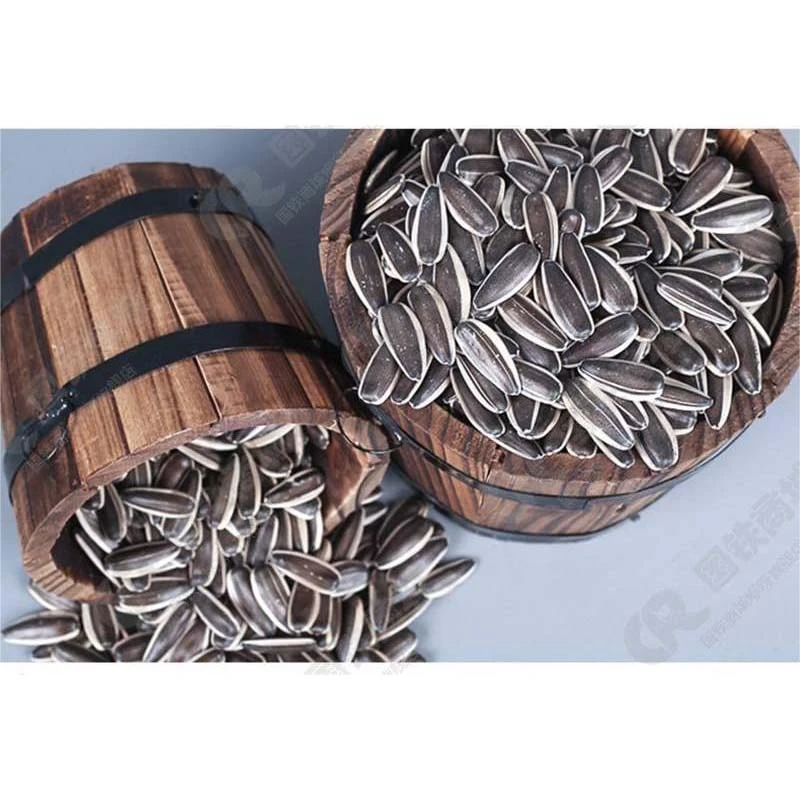
China Sunflower Seeds 601 represents a specific cultivar of Helianthus annuus developed for commercial oilseed and confectionery applications. Positioned within the agricultural commodity chain, it follows seed breeding programs, large-scale cultivation, harvesting, processing (dehulling, grading, drying), and distribution to food manufacturers and consumers. Core performance characteristics revolve around oil yield, protein content, kernel size, hulling percentage, and fatty acid profile, directly impacting the economic viability for oil extraction and the acceptability for direct human consumption. A key industry pain point is consistency in these traits, particularly given environmental variations and genetic drift during seed propagation. Contamination with mycotoxins and meeting stringent food safety regulations are also paramount concerns. This guide provides a detailed technical overview of Sunflower Seeds 601, addressing material science related to seed composition, manufacturing processes, performance metrics, potential failure modes, and relevant industry standards.
Material Science & Manufacturing
Sunflower Seeds 601 are comprised of several key components: the seed coat (hull), kernel (cotyledons), and embryo. The hull is largely cellulose and lignin, providing structural protection. The kernel, representing approximately 65-75% of the seed’s weight, contains oil (40-55%), protein (18-25%), carbohydrates (10-15%), and fiber. The fatty acid profile is dominated by linoleic acid (omega-6, 60-75%), oleic acid (omega-9, 10-30%), and palmitic acid (4-8%). Manufacturing begins with specialized seed breeding to enhance yield and desired traits. Commercial cultivation utilizes large-scale farming practices including soil preparation, planting, fertilization, irrigation, and pest control. Harvesting is typically conducted mechanically, followed by cleaning to remove debris. Key processing steps include dehulling to separate the kernel from the hull, grading based on size and quality, drying to reduce moisture content (typically to 8-10% for storage stability), and potentially heat treatment to deactivate enzymes. Parameter control during drying is crucial; temperatures exceeding 50°C can degrade oil quality. Dehulling efficiency is affected by seed moisture content and the impact force applied during the process. Maintaining a sterile environment throughout processing minimizes microbial contamination. Storage conditions (temperature, humidity, aeration) are critical for preventing lipid oxidation and mycotoxin development.
Performance & Engineering
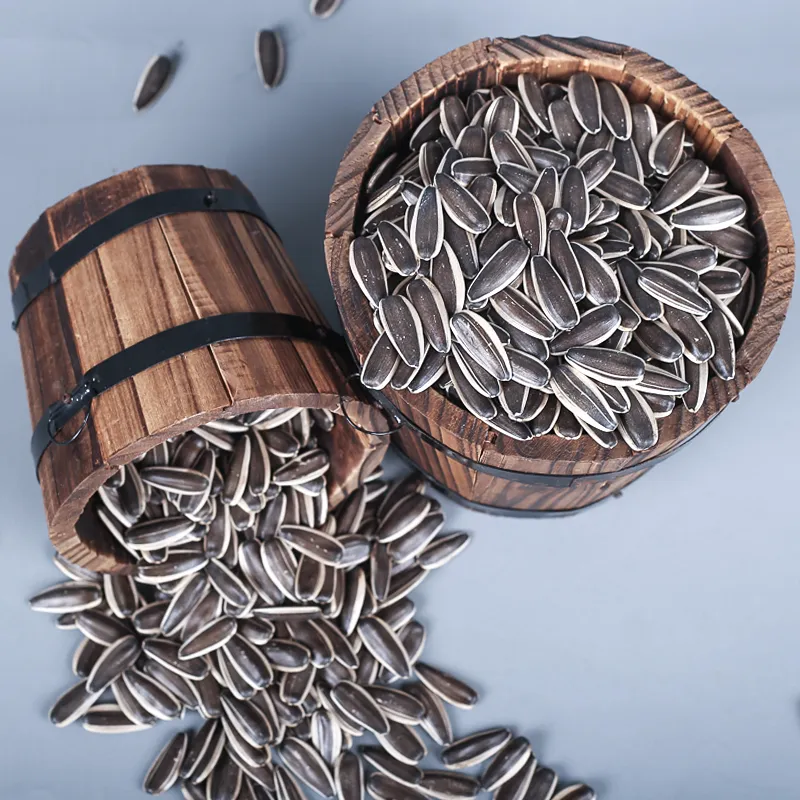
Performance assessment of Sunflower Seeds 601 involves analyzing oil yield (kg oil/hectare), oil quality (iodine value, peroxide value, acid value), kernel hardness, and hulling characteristics. Oil yield is heavily influenced by genetic potential, environmental factors (sunlight, water availability, temperature), and agronomic practices. Oil quality is assessed through chemical analysis, determining the degree of unsaturation and the presence of oxidation products. Kernel hardness impacts dehulling efficiency and breakage during processing. Force analysis during dehulling determines the optimal impact force required for efficient separation of the kernel without damaging it. Environmental resistance focuses on drought tolerance, disease resistance (e.g., rust, downy mildew), and insect pest management. Compliance requirements include adherence to food safety regulations (e.g., maximum allowable levels of pesticides, heavy metals, and mycotoxins) established by national and international authorities. Functional implementation involves ensuring the seed’s suitability for oil extraction (solvent extraction or expeller pressing) or direct consumption (roasted seeds, snack foods). The presence of phytosterols and vitamin E in the oil contributes to its nutritional value and health benefits.
Technical Specifications
| Parameter | Unit | Specification (Typical) | Test Method |
|---|---|---|---|
| Oil Content | % (dry weight basis) | 48-53 | NMR (Nuclear Magnetic Resonance) |
| Protein Content | % (dry weight basis) | 20-24 | Kjeldahl Method |
| Kernel Size (1000-kernel weight) | g | 50-65 | Weighting and Counting |
| Hulling Percentage | % | >85 | Visual Inspection and Weight Difference |
| Linoleic Acid Content | % of total fatty acids | 60-70 | Gas Chromatography (GC-FID) |
| Moisture Content | % | <10 | Oven Drying Method |
Failure Mode & Maintenance
Sunflower Seeds 601 can experience several failure modes. Lipid oxidation during storage leads to rancidity, decreasing oil quality and nutritional value. This is accelerated by high temperatures, light exposure, and the presence of metal ions. Mycotoxin contamination (e.g., aflatoxins) is a serious food safety concern, particularly in warm, humid climates. Physical damage during harvesting and processing (cracking, breakage) reduces kernel quality and increases fines. Fatigue cracking in the seed coat can occur due to repeated handling and stress. Insect infestation can lead to significant yield losses and contamination. Maintenance involves implementing proper storage conditions (cool, dry, dark, well-ventilated), utilizing appropriate packaging materials (oxygen barrier films), regular monitoring for mycotoxins and insect pests, and implementing effective pest control measures. Seed treatment with fungicides can help prevent fungal growth. Proper cleaning and sanitation of processing equipment are crucial for minimizing contamination. Implementing a robust quality control program throughout the entire supply chain is essential for ensuring product safety and quality.
Industry FAQ
Q: What is the typical shelf life of Sunflower Seeds 601 under recommended storage conditions?
A: Under optimal storage conditions (temperature below 15°C, relative humidity below 65%, dark, and sealed packaging), Sunflower Seeds 601 can maintain acceptable quality for up to 18-24 months. However, regular monitoring for rancidity and mycotoxin levels is crucial, as shelf life can vary depending on initial seed quality and storage conditions.
Q: How does the linoleic/oleic acid ratio impact the stability of the oil extracted from Sunflower Seeds 601?
A: A higher linoleic acid content (omega-6) results in lower oxidative stability compared to a higher oleic acid content (omega-9). Linoleic acid is more susceptible to oxidation, leading to rancidity. High-oleic sunflower oil is therefore preferred for applications requiring greater stability, such as frying.
Q: What are the critical control points for preventing mycotoxin contamination?
A: Critical control points include pre-harvest monitoring for fungal infections, proper harvesting techniques to minimize kernel damage, rapid drying to reduce moisture content, effective storage to prevent mold growth, and regular testing for mycotoxins throughout the supply chain.
Q: What methods are used to assess the quality of Sunflower Seeds 601 for oil extraction?
A: Key quality parameters assessed include oil content, free fatty acids, peroxide value, iodine value, moisture content, and the presence of impurities. These parameters are typically determined using standard analytical methods such as NMR, titration, and gas chromatography.
Q: How does the seed variety (Sunflower Seeds 601) influence the efficiency of the oil extraction process?
A: Seed variety impacts oil content, kernel hardness, and hulling percentage. Higher oil content leads to greater oil yield. Easier hulling reduces energy consumption and increases extraction efficiency. Kernel hardness influences the ease with which oil is released during extraction.
Conclusion
Sunflower Seeds 601 represent a significant agricultural commodity with diverse applications in food and biofuel production. Its performance is intrinsically linked to a complex interplay of genetic factors, environmental conditions, and processing techniques. Maintaining consistent quality, preventing contamination, and optimizing oil yield are critical challenges for the industry. A thorough understanding of the material science principles governing seed composition, coupled with robust manufacturing and quality control procedures, is essential for maximizing the economic value and ensuring the safety of this important crop.
Future advancements in breeding programs will likely focus on enhancing drought tolerance, disease resistance, and oil quality (specifically increasing oleic acid content). Continued research into optimized storage and processing technologies will further improve the efficiency and sustainability of sunflower seed production. Adherence to international standards and regulations remains paramount for ensuring global market access and consumer confidence.
